If you’re a woman working on a global stage, it’s only natural to be curious about digital nomad friendly careers. Roles like content creator or social media manager jobs you can do without being tied to one place are becoming more diverse and accessible than ever.
But when you try to start a digital nomad career or pivot into one, many people run into the same worries:
“Am I not good enough?”
“Where do I even begin?”
In many cases, that feeling of being stuck isn’t really about a lack of ability, it’s about being in a place where you don’t yet have a strategy.
Below, I’ll briefly introduce digital nomad friendly jobs that many women pursue, and then share practical tips you can apply to your resume, your application strategy, and interviews.
Digital-nomad-friendly jobs women can pursue
In general, digital nomad careers that are a good fit tend to meet these criteria:
- Remote-friendly: roles that can be done fully remote (or mostly remote)
- Portfolio-based: you can prove your skills through results and work samples
- Global demand: skills that are needed across countries and industries
Based on these factors, here are some digital nomad roles many women choose:
- ✔️ Content & Marketing: content creator, copywriter, SEO writer
- ✔️ Creative & Production: video editor, designer
- ✔️ Operations & Business Support: community manager, customer support, operations assistant
- ✔️ Tech & Data: web/app developer, data researcher
- ✔️ Language & Education: online tutor, etc.
How to build a portfolio and strategy as a digital nomad
What matters most isn’t just knowing what roles exist, it’s knowing how to build your portfolio and strategy so you can actually land one of these global, remote roles.
Before you apply to any company, I strongly recommend clarifying these three things first:
1) Write your career direction in one sentence
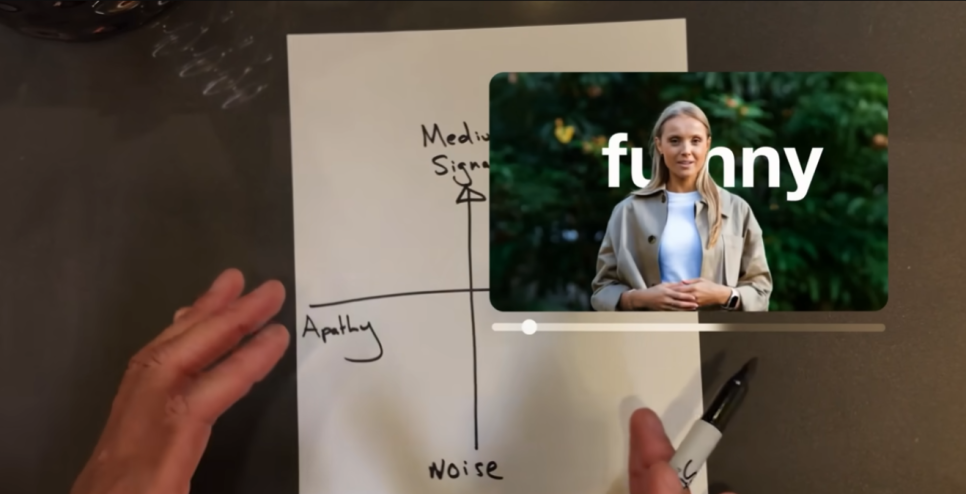
The first step is to define your career direction in a single sentence:
“I am someone who ___, and I help ___ by doing ___.”
This matters because that one sentence becomes your anchor for:
- your resume
- your LinkedIn
- your interview answers
When your values and direction are clear, it becomes much easier to know what to emphasize when you write or speak.
But without that sentence, your message can shift every time you apply which leads to confusion, mixed signals, and ultimately, the risk of coming across as “kind of everything, but not clearly anything.”
2) Your strengths should be “proof,” not adjectives
If you want people to believe your strengths, you need evidence. The most useful “proof” framework looks like this:
Problem (context) → Action (what you did) → Result (impact) → Learning (what you gained)
If you don’t have clear numbers, you can still show impact by using:
- before/after changes
- scope (how many people, how many posts, how many projects)
- size (budget, audience, channels)
- time period (in 2 weeks, over 3 months, etc.)
- tools and processes you implemented
If you build just 3–4 examples in this format, they become:
- the core materials for your resume bullets
- and later, your strongest “story cards” in interviews
3) Mirror the keywords in the job description in your resume

When a job description repeats certain keywords, it’s a signal, the company is looking for candidates who truly match those requirements.
Pull out the repeated terms and reflect them naturally in your resume and LinkedIn.
This is not about claiming experience you don’t have.
It’s about translating your relevant experience into the same language the company is using, so your profile is easier to recognize, search, and shortlist.
Application strategy: how to increase your chances of getting hired
We shared two strategies that can significantly improve your chances of getting noticed:
1) Use a high-impact channel (not a noisy one)
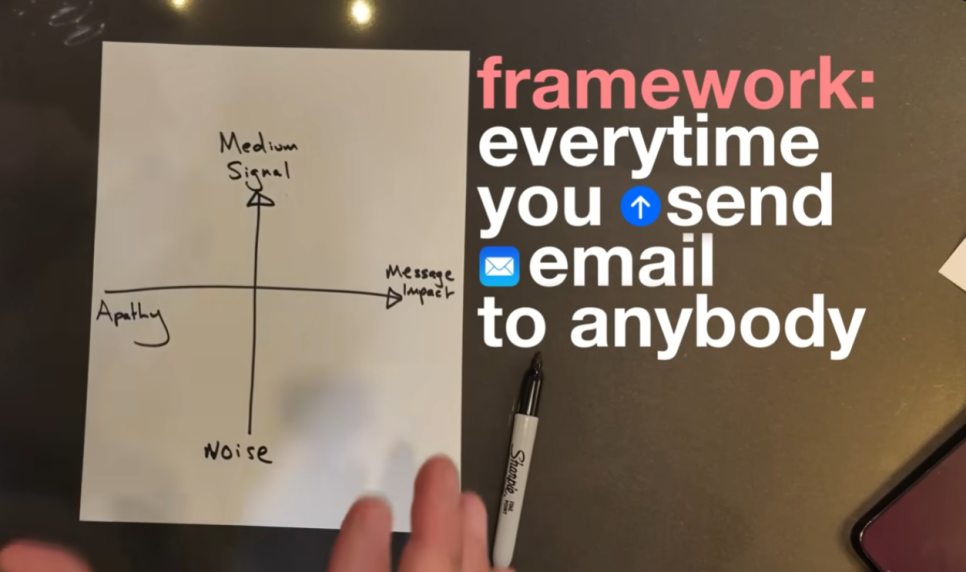
If you apply through a crowded channel like a general recruiting inbox, your email is much more likely to get buried or ignored because that channel is already flooded with applicants.
On the other hand, a direct channel with fewer messages, especially one connected to a decision-maker has a much higher chance of being opened.
Instead of sending your resume to a generic inbox where it’s easy to forget, consider reaching out more directly such as emailing a team lead or hiring manager and introducing yourself in a clear, respectful way.
2) Send a message with real impact
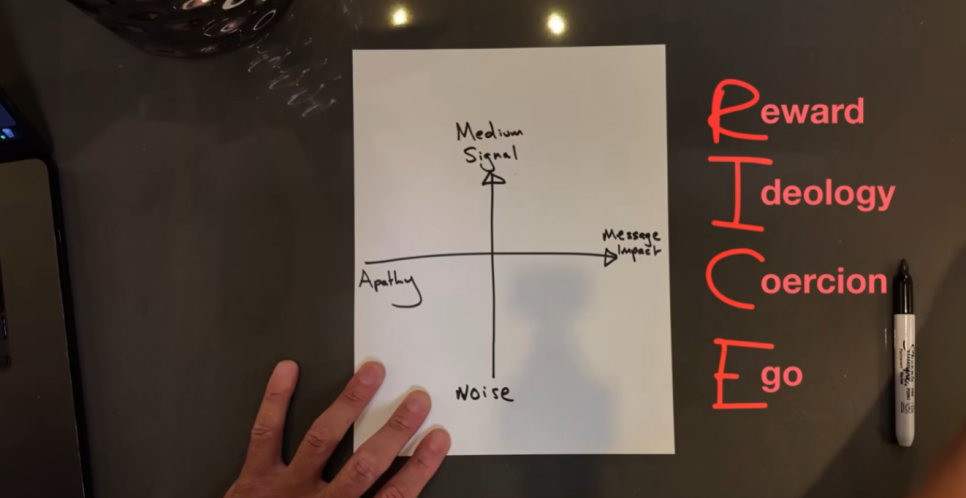
Whether you are sending your email to a generic inbox or the hiring manager, people can’t help but become indifferent to boring, generic applications that look like everyone else’s.
We shared a great example: a candidate named “Harry” created a 7-minute personalized video explaining why she was the right fit. She then emailed that video directly to executives, so instead of being just another application among 16,000, she became memorable and got selected.
The key takeaway here is this: a ‘high-impact message’ isn’t random, it can be built strategically. One framework you can use is the RICE framework.
People are driven by four basic motivations:
- ✔ R : Reward
- ✔ I : Ideology
- ✔ C : Coercion
- ✔ E : Ego
In other words, when people have a reason that matters to them, they move.
So when you write a message, you can attach the action you want (a reply, an interview, a coffee chat) to one of the other person’s motivation buttons.
For example, if the action you want is a 10-minute coffee chat or quick answers to a few questions:
- Reward:
“If you have 10 minutes, I’d love to show you a few content archiving ideas you can apply to your brand immediately.” - Ideology:
“I care deeply about women’s career growth. I was really inspired by your article on women’s empowerment, and I’d love to have a short conversation about that value and how it shows up in your work.”
This approach is very different from vague messages like “Please take a look,” “I’d love an interview opportunity,” or “Thank you in advance.”Instead, it creates a compelling reason for the other person to respond.