She Travels
- 5 min reading time
•
NomadHer Yeongyang Hanok Stay: A Mother-Daughter Local Camp Experience
April 27, 2026
by
%201.png)
•
•
•
Today, we want to share the story of one participant from NomadHer’s “Yeongyang Hanoks Day” camp. This reflection is based on an interview with Magaly Bailon, who joined the experience in Korea and spoke about what it truly meant to travel, connect, and find a sense of belonging in a new place.
When we prepare to travel alone or step into a new environment with unfamiliar people, we often carry quiet questions with us.
Will I fit in?
Will I feel safe and comfortable?
Magaly had those same thoughts before arriving. But by the end of the camp, those uncertainties had shifted into something much warmer. What she found was not just comfort, but genuine connection.
Long before modern cookbooks existed, in the year 1670, a noblewoman named Lady Jang (Jang Gye-hyang) stepped into her kitchen and made a quiet decision that would go on to become history. In an era when most writing was reserved for men and recorded in complex Chinese characters, she chose to write in Hangeul, so her daughters and daughters-in-law could inherit the family’s culinary knowledge.
That book became Eumsik Dimibang, known as the first cookbook written by a woman in East Asia. More than a collection of recipes, it carries a spirit of elegance, care, and everyday wisdom passed down through generations.
NomadHer’s Yeongyang Hanok Stay follows that same spirit. It is a 1-night, 2-day local immersion camp where participants stay in a traditional hanok and experience Korea’s “taste” and “culture of care” through food, etiquette, atmosphere, and hands-on cultural moments.
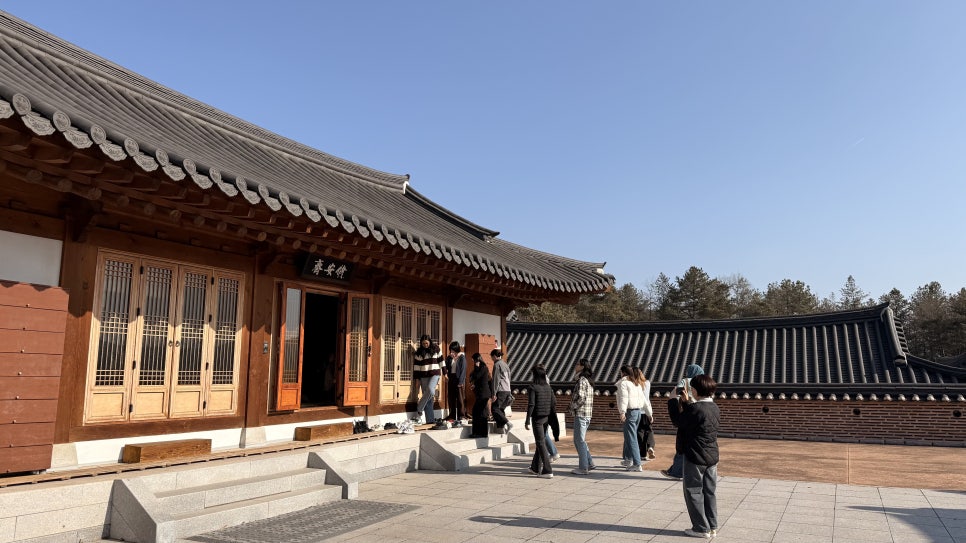
🔖Key Program Highlights
✔Traditional Arts Workshop
Participants experience Korean traditional crafts such as hanji, lacquerware, or natural dyeing. It offers a hands-on way to connect with heritage through real materials and the guidance of skilled artisans.
✔Traditional Korean Dinner Experience
A warm, communal dinner featuring classic Korean dishes, paired with gentle introductions to dining etiquette and the deeper stories behind the food.
✔Hanok Stay Experience
An overnight stay in a traditional Korean hanok, offering a peaceful close to the day and a deeper sense of cultural immersion through space, architecture, and atmosphere.
✔Traditional Craft Making & Exhibition Visit
Participants create their own traditional Korean souvenir and visit a related exhibition space, bringing together making, storytelling, and a deeper appreciation of the culture.
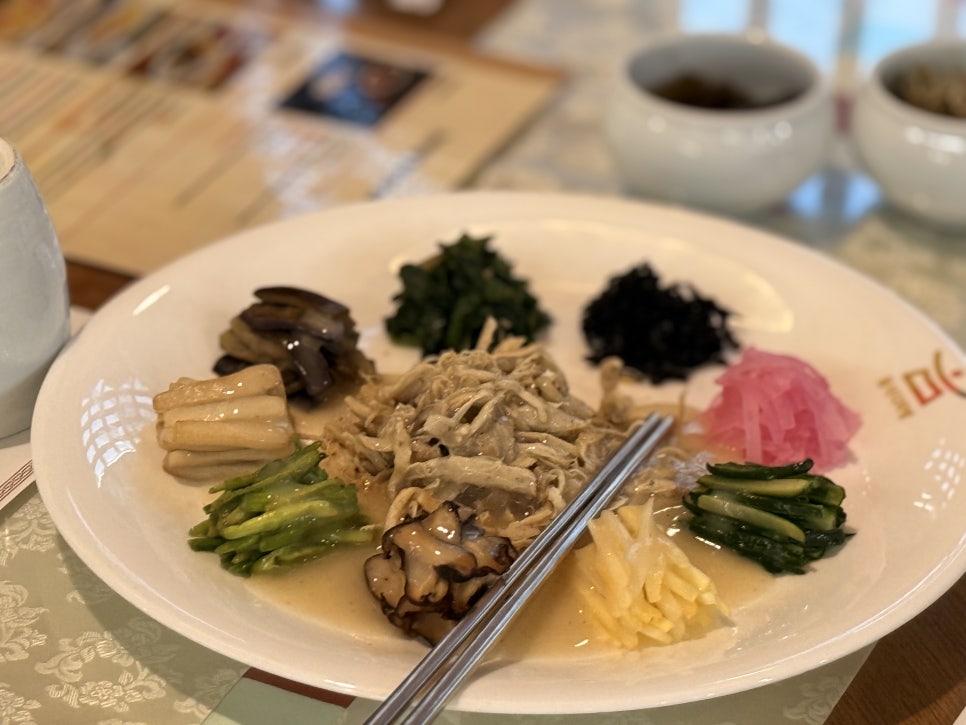
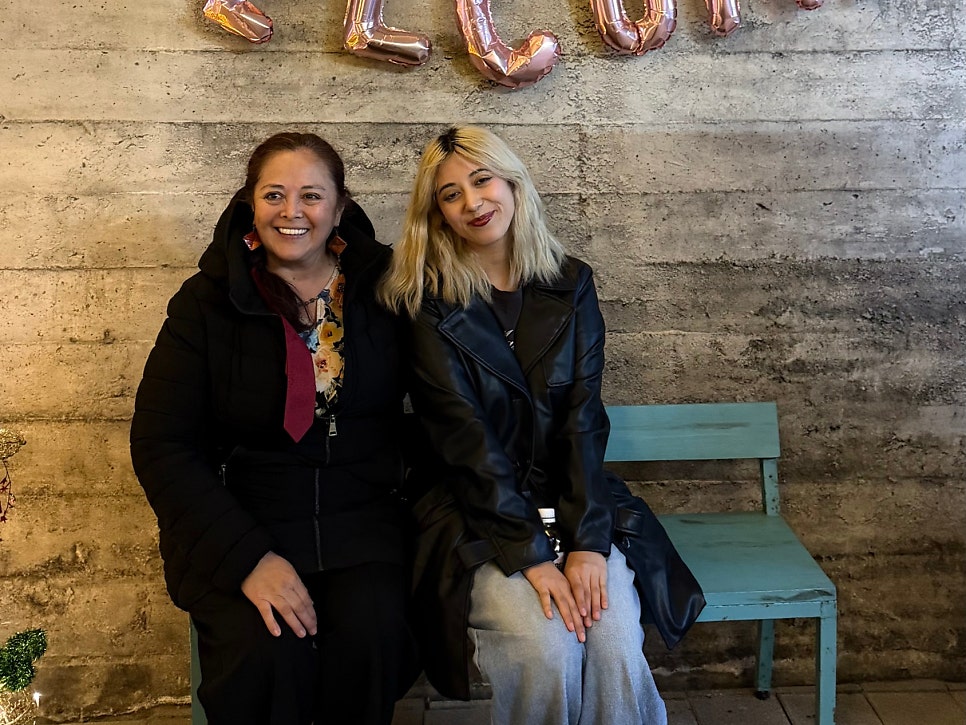
Magaly introduced herself with a quiet warmth in her interview:
“My name is Magaly Bailon, I’m 59 years old. I live in the U.S., in Washington State. I am a nurse practitioner by profession, but I’m also an artist.”
When asked about travel, she didn’t hesitate. Her answer came with a kind of certainty:
“I love it. I think that’s the greatest thing you can do in life. If I could travel all the time, 100%, I would.”
And when she spoke about connection, it wasn’t something abstract. For her, travel is about meeting people where they truly live:
“I think it’s both. I love to travel and get to know the locals. I connect with people, but I also go to where people in that community actually live.”
Magaly shared that her decision to join the camp came unexpectedly, in a very human and serendipitous way:
“It was by serendipity. I came to visit my daughter, and she works for NomadHer. At first, I was just going to stay the weekend while she worked at the camp. But in the end, she asked her boss, or maybe a coworker, and they suggested that I should join too. So I decided to go. I thought it would be a really nice opportunity to spend time with my daughter, especially since I didn’t have many days in Korea.”
She also reflected on how meaningful it has always been to travel with her daughter, even as life became busier over time:
“Well, you know, life gets busy. She’s been living in Seoul for a few years now, I think four. Before that, when she was younger, we used to travel together as a family to different places. And later, there was one trip we did together, just the two of us, to… I believe it was the Czech Republic. We also went to Guam and Paris.”
“ Traveling with my daughter… I think it’s nice because you can connect. You can talk. It’s very relaxing. I think I would love to have a long trip with my daughter in the future.”
Before arriving in Yeongyang-gun, Magaly admitted she had one small concern. Not about herself, but about how others might feel:
“I was thinking that I was going to be the oldest woman and maybe I wouldn’t… you know, not for me, but more that I might make other people uncomfortable because I was older. But it turned out pretty good. I feel like I was the mom of everybody in the camp.”
That one line says so much. In a place like Yeongyang, what starts as a worry about “fitting in” quietly shifts into something else. It becomes a shared space where people are simply welcomed as they are, and where connection happens naturally.
🔖What Stayed With Her Most
When asked about her most memorable moment, she didn’t point to anything grand or complicated. Instead, she recalled something simple, but deeply felt:
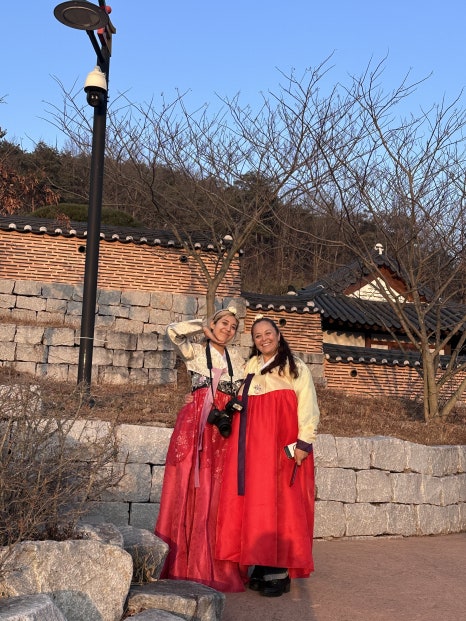
“I think there were many, but the first thing that comes to mind is the moment we took a picture during sunset. We were all just looking at it… it was amazingly beautiful. That’s the most memorable thing.”
She also spoke honestly about one small, practical challenge:
“You know, in America, we usually have mattresses… In Yeongyang, we stayed in a traditional hanok so that part was a little hard for me.”
However, what stayed with her, in the end, was something much more lasting:
“I loved the places we stayed. They were very traditional, really beautiful, and very peaceful. The whole experience just felt peaceful.”
🔖Would She Recommend It?
Her answer was immediate:
“Definitely. I think it’s a great experience. You get to know the people that go with you. You know, stories and memorable times. We also learned a lot about Korean culture. Yeah, I would definitely recommend it.”
🔖Why She Values NomadHer
Magaly first discovered NomadHer through her daughter:
“Well, my daughter started working for NomadHer.”
But what she shared next went beyond a simple introduction. It spoke to something deeper about connection across generations, and why that matters:
“I think as a woman, and as an older person, I feel a responsibility to connect with the younger generation. And I think we learn from each other, both ways. The world is changing so fast, and sometimes it feels like we’re falling behind. But when you’re around younger people, you start to adapt. You get those fresh ideas, those new perspectives.
At the same time, I think we’re also losing a lot by living so fast. We forget the little things we used to have, like spending time with family, connecting at home, doing things together. Even simple things like greetings… we’re moving so quickly that we’re forgetting them. So for me, it’s really about connection and mutual learning.”
She also shared what she hopes NomadHer continues to do:
“I think what NomadHer is doing is fantastic. These trips allow people not only to meet each other, but to build a community that is so needed when you’re outside of your home country. So I really hope you continue doing these camps, these trips, these gatherings.”
When asked why she would recommend NomadHer, her answer was both personal and practical:
“Right now, after experiencing the trip, I would recommend it for that alone. But more broadly, I would also use it when I travel somewhere new and want to meet someone, have coffee, and learn about the place from a local.”
Finally, she left a message that many women will recognize:
“For years, and even now, we’ve been told that we shouldn’t travel alone because it’s dangerous, that something might happen. And yes, in some ways, women are at a disadvantage. There are real risks. But I also think it’s empowering. There are so many women traveling now, and we’re not as scared anymore. We learn how to protect ourselves, how to be careful. And together, it just feels good to move through the world like that.”
Each experience is designed so women can feel safe, connected, and truly present, whether they travel solo or alongside new friends.
If you’re curious about future NomadHer camps, gatherings, and local experiences, you can explore more through the NomadHer app.


September 8, 2026
Team Updates
July 30, 2026
Team Updates
April 16, 2026






Paris Office:
Station F, 5 Parvis Alan Turing, Paris, 75013, France
Seoul Office:
Chenonggyecheonro-85, 9th floor, Seoul, South Korea
Busan Office:
BIFC 55th floor, Nam-Gu, Busan, South Korea
General Contact
aloha@nomadher.com
.png)
.png)
.png)