%201.png)
•
•
NomadHer is happy to share a new series featuring NomadHers and their own travel stories through personal blog posts. All posts have been edited for grammar and clarity while making sure to retain the true voices and stories of our writers. We'd like to extend a special thank you to all of our writers and to our community!
by Marteena Mendelssohn
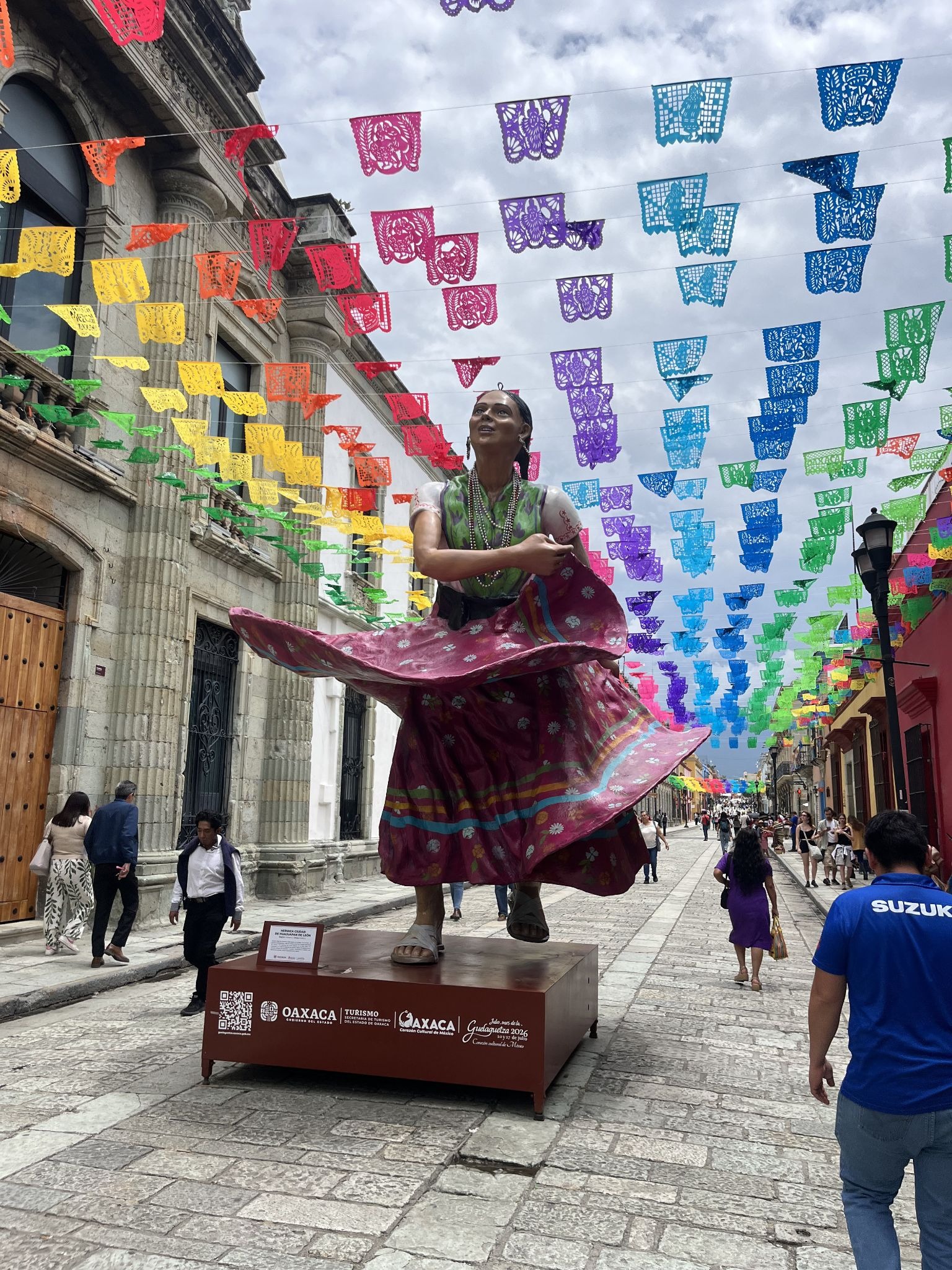
I was already in Cancun before heading to Oaxaca. I explored the magnificent ruins of Chichén Itzá, and stayed at the gorgeous Nomads Hostel and Rooftop Pool in the downtown area. It was beautiful, but HOT, and I was looking for some mountain relief. From downtown Cancun, I took the ADO bus to the airport which cost me about $150 pesos (compared to the 450-500 peso Uber ride). The flight from Cancun to Oaxaca was about $162 USD with Volaris, but I did purchase my ticket about two weeks before I left which could have made a slight difference in pricing. I then took the shuttle service from the airport to the city. The Oaxacan airport is relatively small, and there were two taxi stands that had colectivos, or shared shuttles. The driver took me about two blocks away from my hostel, which was called “Ginger Banana.” This ride cost another $150 pesos.
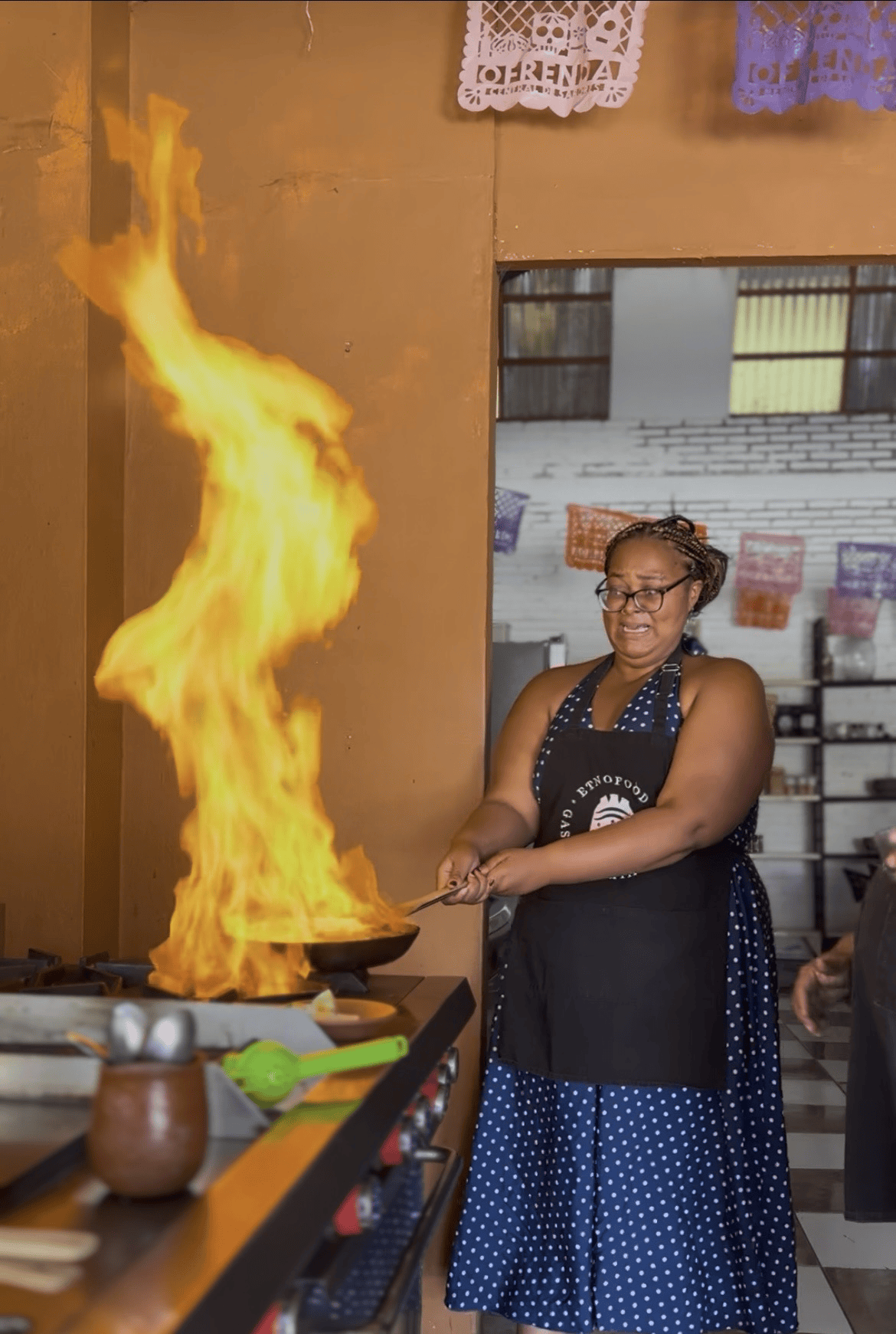
The first thing I did after my flight was grab a Tlayuda, or as some like to call it, a Mexican pizza, at Casa Taviche. Essentially, it’s a large tortilla with pork lard (asiento), beans, meat, and quesillo. To make it vegetarian friendly, just ask for no asiento! Speaking of eating sin carne, the next day I took a vegetarian cooking class with Ethnofood. Funnily enough, I was the only person who signed up for the class, but honestly, I had a great time! We made Memelitas, which is a traditional Oaxacan food typically made for breakfast or lunch. Making tortillas by hand and salsas in a molcajete, it made me realize just how much work goes into my favorite cuisine – and just how fun it can be making it!
After heading back to my hostel, I was able to meet a group of women who just finished up an artist residency and were now spending their last days exploring the city. There’s something both inspiring and exciting about seeing other women traveling on their own, doing things they love. I spoke with a woman from Chicago who worked in ceramics, and although we both spoke English, we chose to speak Spanish with one another. There was a French girl who drew sketches who I gossiped with about our love lives, and then Jen, an Australian woman who spent the past 25 years dedicating her life to teaching water sports and has now decided to turn art into her full-time career. While I didn’t meet any NomadHers on this trip, I was able to see just how far women can go – no matter where they come from.
I spent more than a few evenings scrolling through Instagram, searching for the best things to do in the city. Eventually, a woman named Lily appeared on my feed through Zapotec Travel. It’s an agency that centers their tours around indigenous women and designs their itinerary to support local communities while also experiencing the Zapotec culture. Before coming to Central America, I didn’t think there were a large native community left, but I was very wrong. In Oaxaca alone, there are many different communities:
Each with its own distinct culture and language, ready to be discovered.
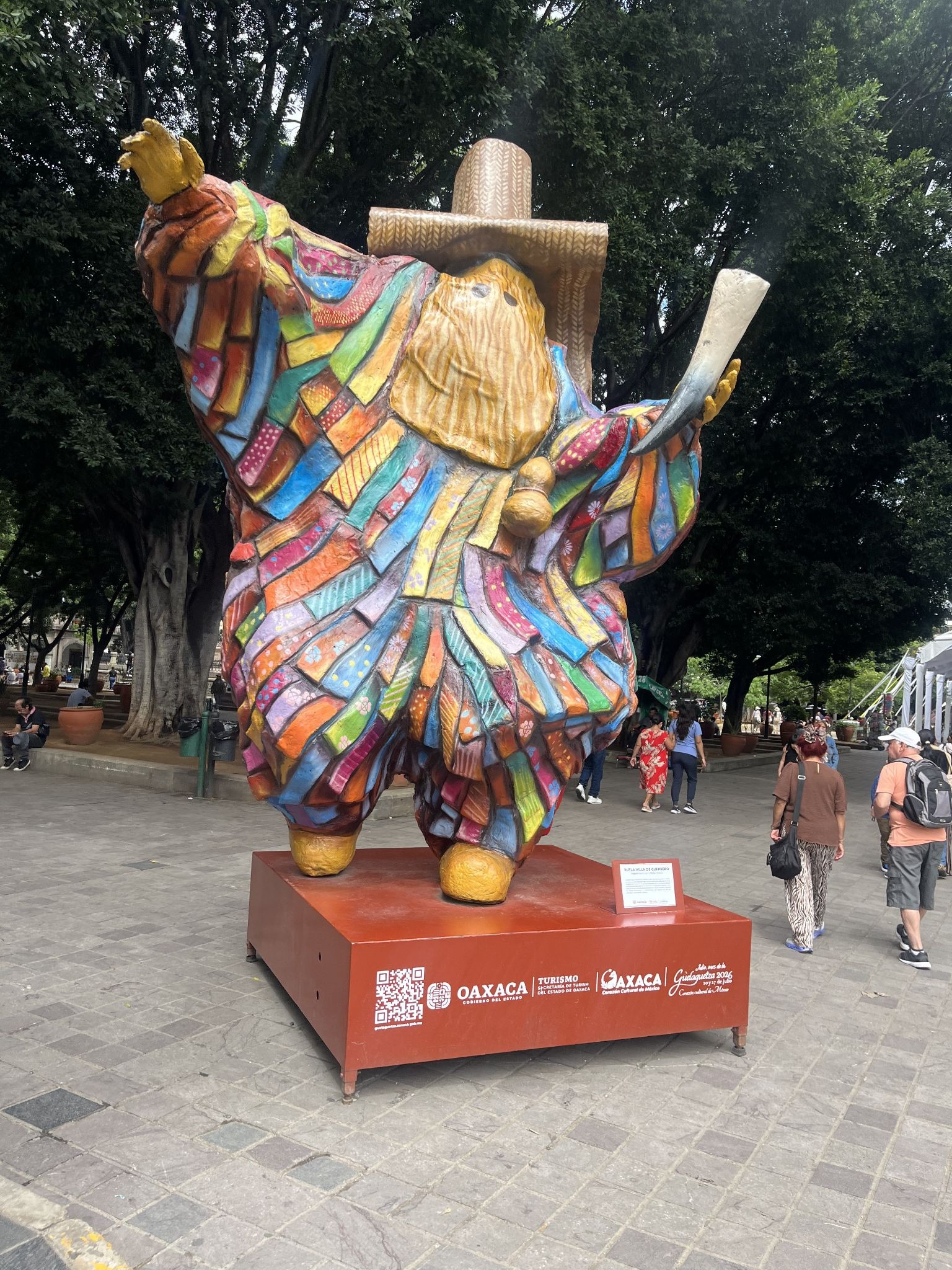
I came to Oaxaca during the Guelaguetza festival season. Translated from Zapotec, Guelaguetza means reciprocity. The festival is about community and sharing dances, food, handicrafts, and culture.
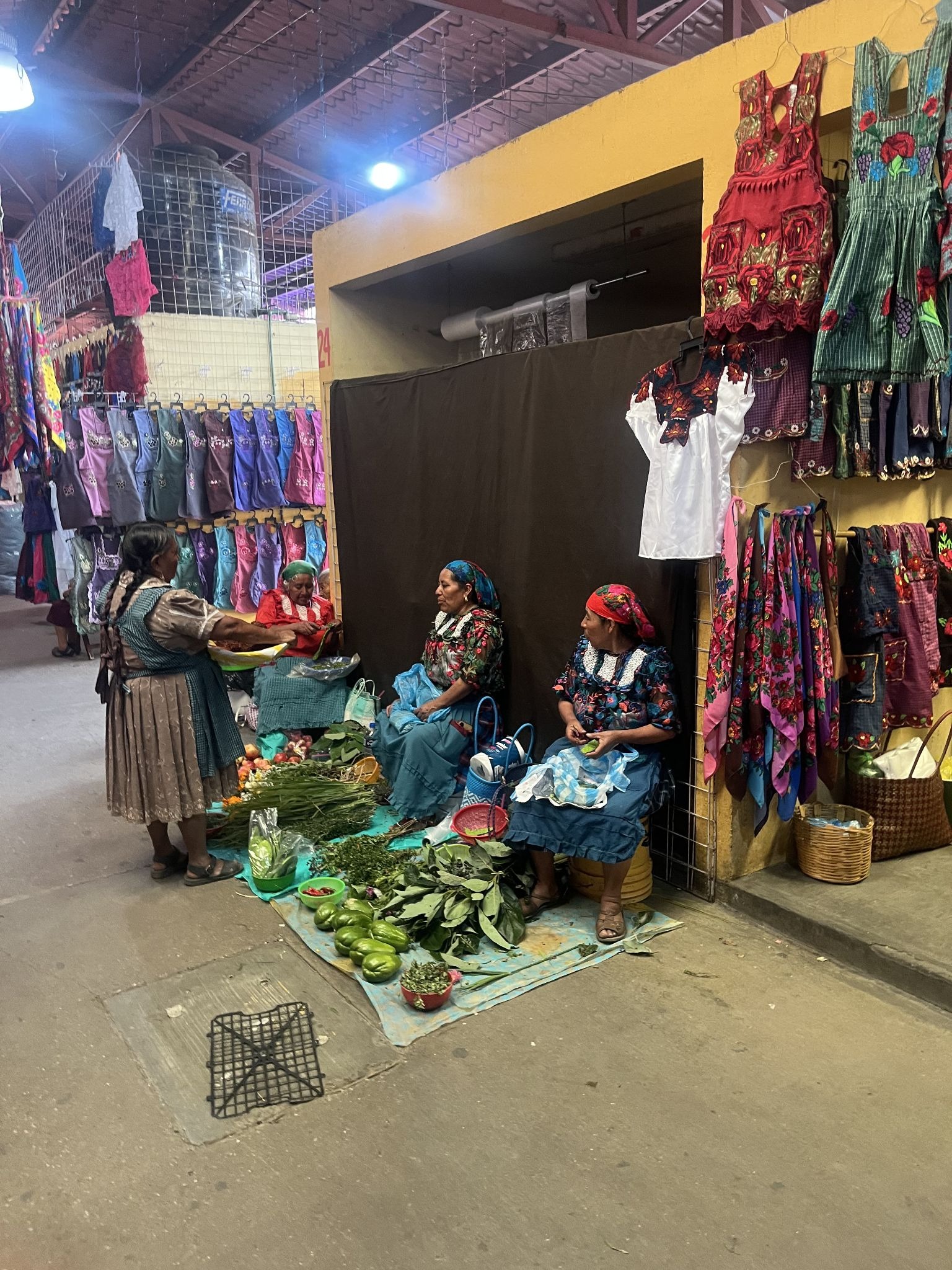
Our Guelaguetza tour started at the Tlacolula market, about 45 minutes from Oaxaca city. Festive colors spilled all across the tent covered vendors, from woven textiles and embroidered clothing to piles of bright red chilies, fresh fruit, and handcrafted goods, while gold earrings caught the sunlight as vendors moved through the crowd. The smoky aroma of meat sizzling over open grills mingled with the earthy scent of warm tortillas, creating a scene that was truly a feast for the senses. During the tour, we sat and ate traditional food inside the market. Some people tried sheep and goat while I indulged in a squash flower empanada. After eating, we had some free time to roam the market where I purchased a couple bags of ripe fruit and bought a cup of sweet mamey and coconut ice cream.
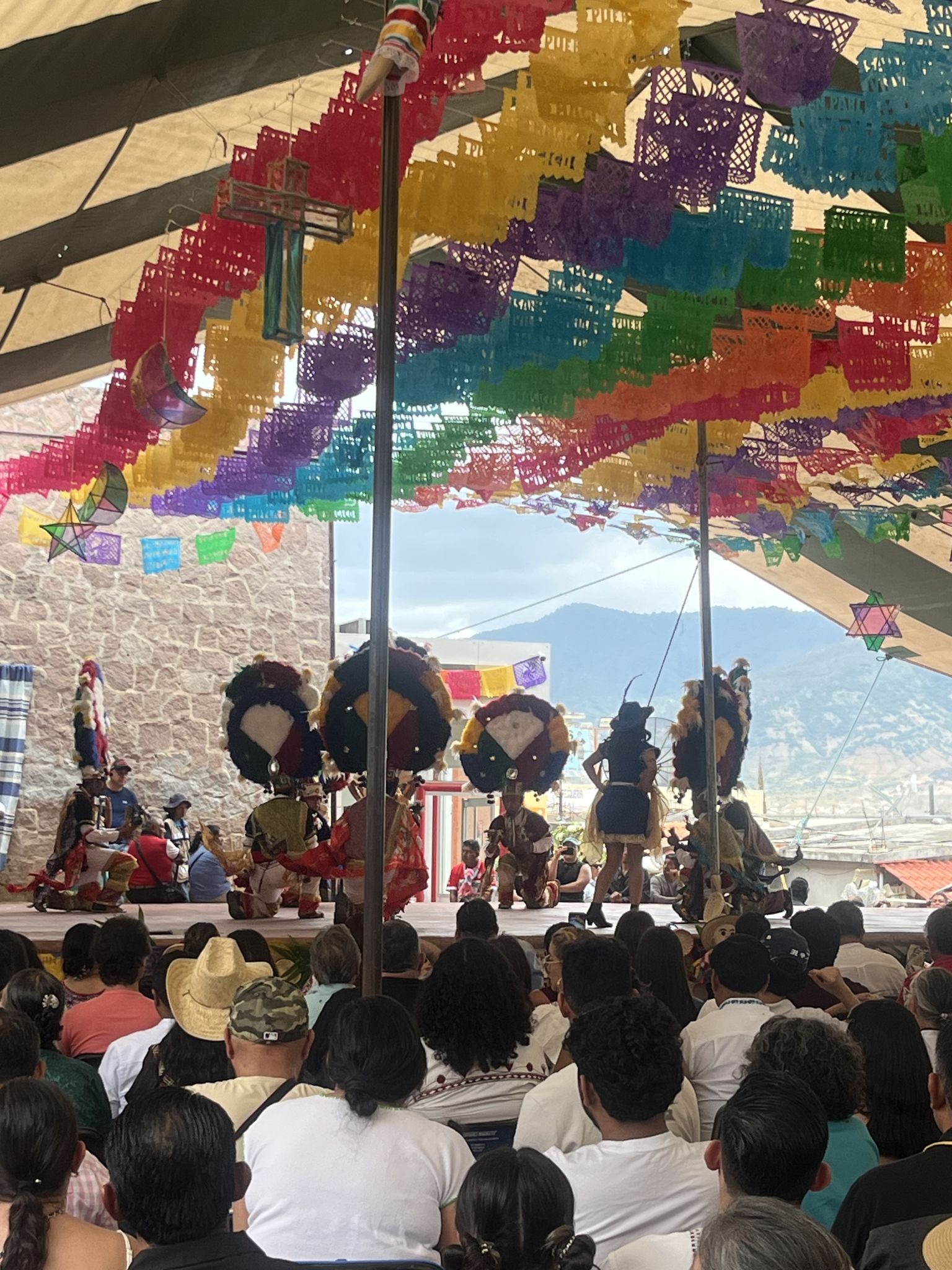
Once we hopped back on the bus, we drove about 20 minutes to a town called Mitla, where a stage was erected and nine different communities were able to demonstrate their traditional dances. Some felt like a ballet, with docile and graceful movements, while others were fast, containing props and flashy skirts. I loved seeing the differences of each dance and their costumes as it really showed just how unique each community really was.
After Mitla, we drove just a few minutes to a women-owned mezcal distillery. Margarita Hernandez had grown up on the mezcal farm. She and her daughter, Fatima, guided us around the farm, explaining the subtle differences between each agave plant, learning about the distilling process, and trying out their seven mezcals from their brand “Xhaiba,” meaning sky.
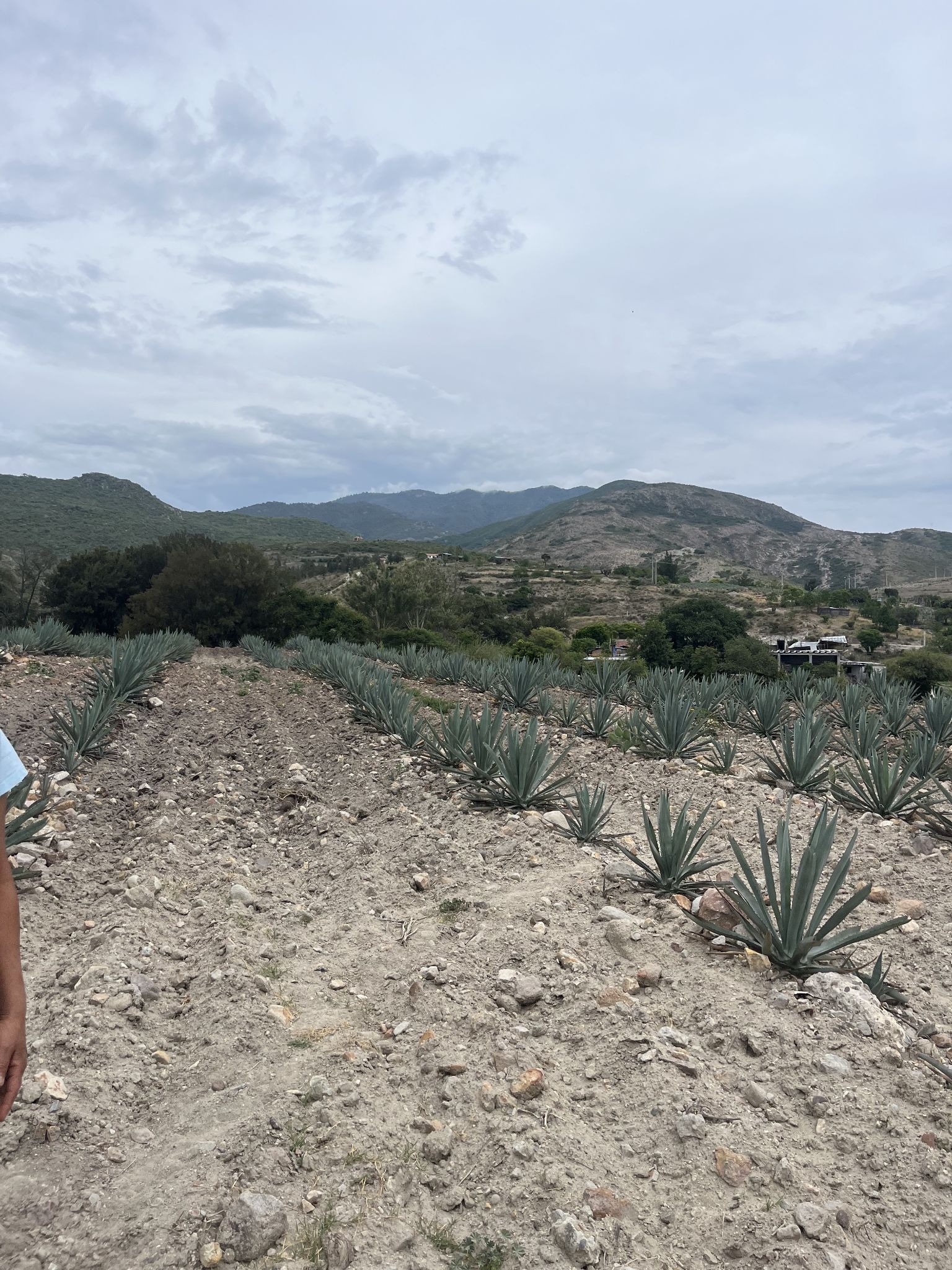
I had tried Mezcal before, and personally, it is just too strong for my taste. Out of the seven, I really enjoyed the “Tobalá”. For me, it was amazing to see a woman at the forefront of a mezcal brand. It was clear Margarita and Fatima took pride in their work and I was happy to celebrate the passion they’ve poured into building it.
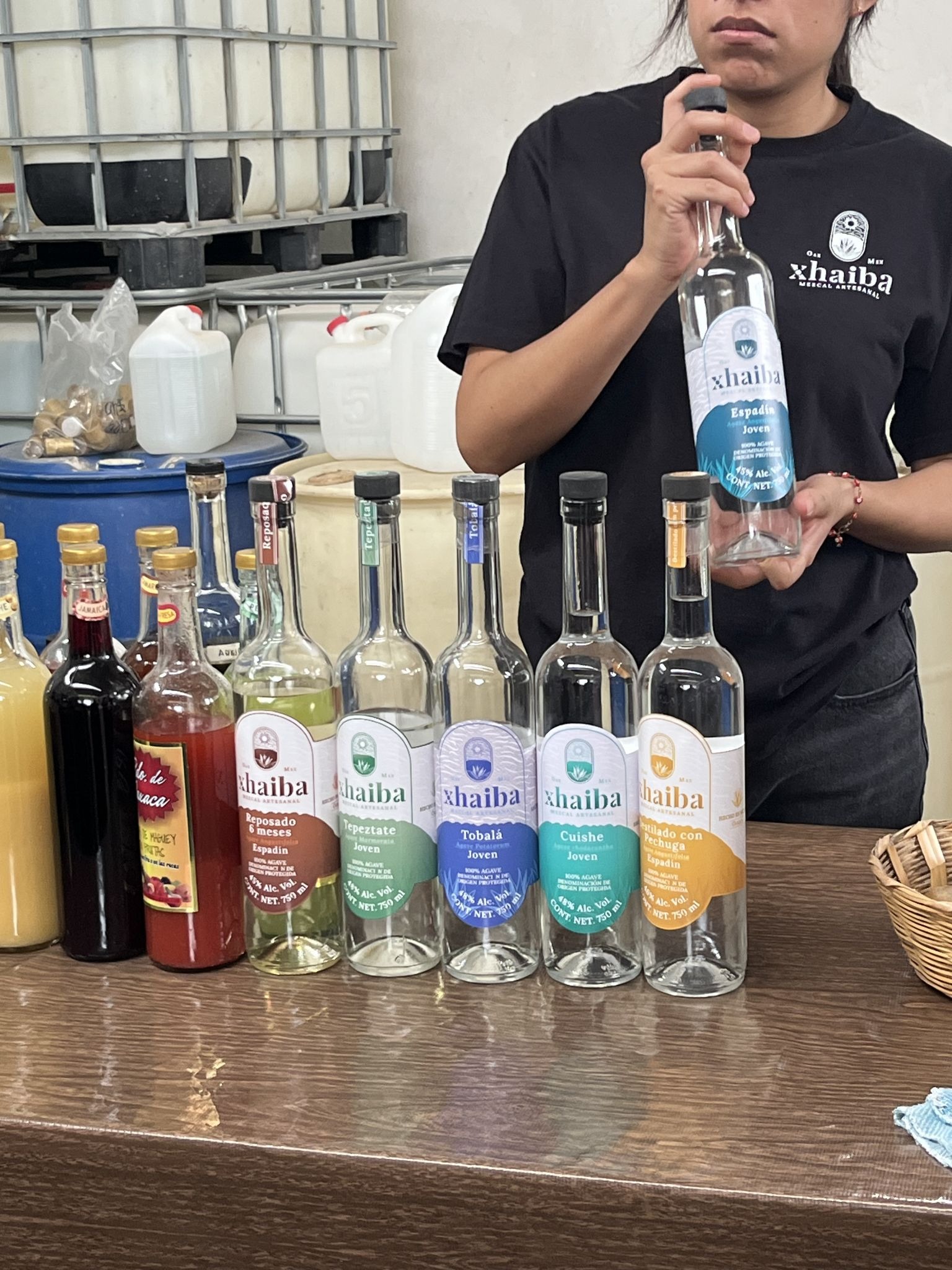
The day ended watching the valley pass from the window of the bus, with the rolling hills and small villages stretching across the landscape in the fading afternoon light. The other participants of the tour and I chatted about what else we would do in Mexico. Some, like me, were headed back to the city, while others were planning trips to the beach or to the other side of the coast. As we drove through the valley, I looked forward to the days ahead, knowing there was still so much more to see.
All in all, my time in Oaxaca taught me that some of the most rewarding parts of travel come from the women you meet along the way. For any woman who feels a little nervous about traveling through the Americas alone, I could not recommend a better place to begin than the beautiful city of Oaxaca.
⭐️ Mercado 20 de Noviembre
⭐️ Mercado de La Merced
⭐️ A cooking class!
⭐️ Hierve el Agua waterfalls
⭐️ The Museum of Cultures
⭐️ Jardín Etnobiológico de Oaxaca (The Ethnobiological Garden)
⭐️ Libreria Grañen- Porrua - Cute postcards
⭐️ La Cosecha - Food court and live music
⭐️Häxan Gothic Bar - Horror movie nights and alternative music
🍽️ Tlayudas
🍽️ Tejate - sweet drink made of cacao
🍽️ Tamales (my favorite!!!)
🍽️ Memelas
🍽️ Mole (there are seven different kinds)
🍽️ Chapulines - roasted grasshoppers
🍽️ Quesillo
🍽️ Sal de Gusano - Earthworm salt for your mezcal
🍽️ Huitlacoche tacos or corn fungus (I promise it’s delicious)
Each experience is designed so women can feel safe, connected, and truly present, whether they travel solo or alongside new friends.
If you’re curious about future NomadHer camps, gatherings, and local experiences, you can explore more through the NomadHer app.






Paris Office:
Station F, 5 Parvis Alan Turing, Paris, 75013, France
Seoul Office:
Chenonggyecheonro-85, 9th floor, Seoul, South Korea
Busan Office:
BIFC 55th floor, Nam-Gu, Busan, South Korea
General Contact
aloha@nomadher.com
.png)
.png)
.png)