%201.png)
•
•
NomadHer is happy to share a new series featuring NomadHers and their own travel stories through personal blog posts. All posts have been edited for grammar and clarity while making sure to retain the true voices and stories of our writers. We'd like to extend a special thank you to all of our writers and to our community!
by Anne Beckers
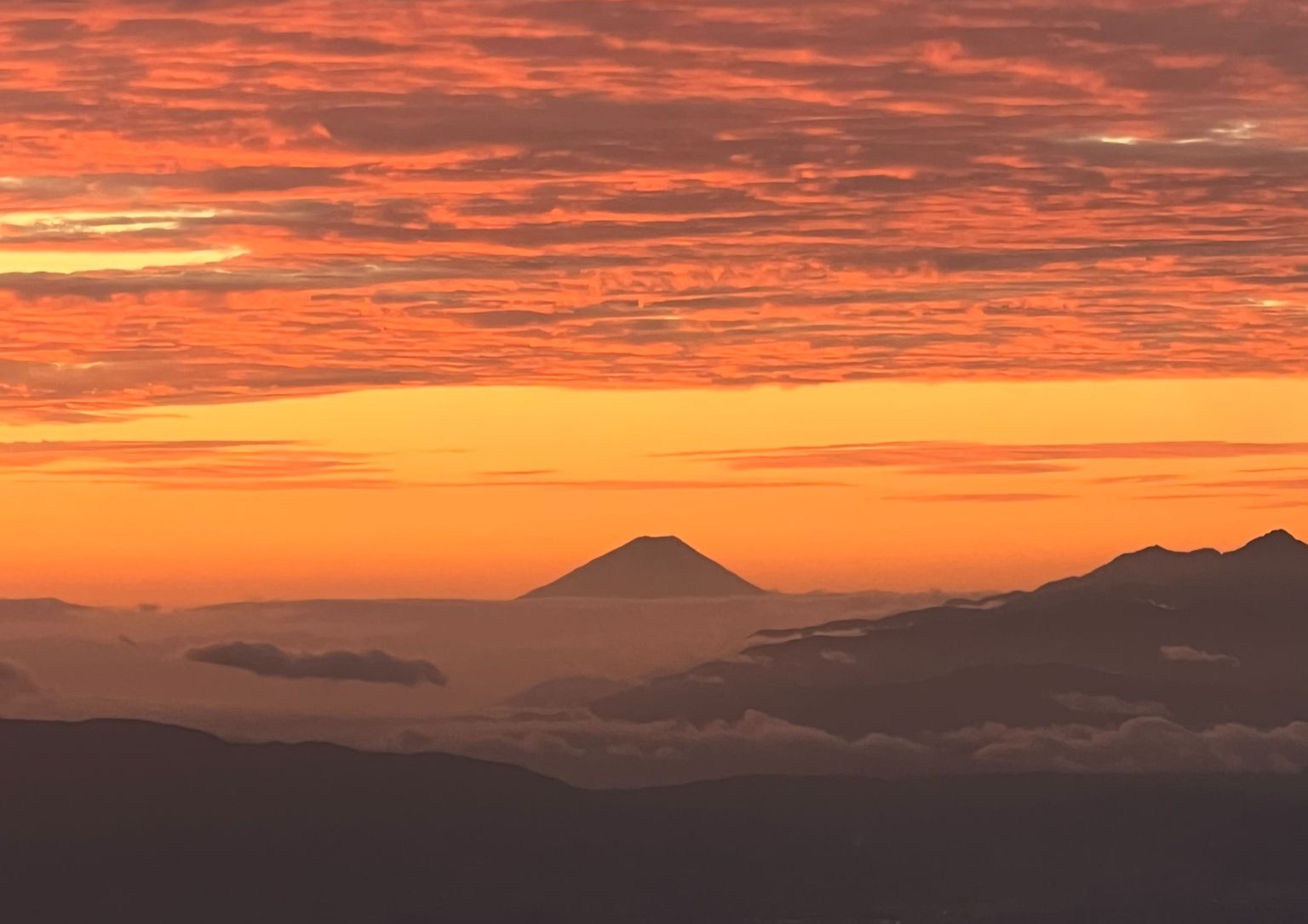
At 5 a.m., the wind on Mount Tsubakuro was strong enough to make standing still uncomfortable. It was around freezing, everyone outside the mountain hut was wrapped in layers and somewhere in the distance, just visible above the horizon, was Mount Fuji.
The sky had turned almost lava red. I had climbed roughly 1,300 metres the previous day to get here, carrying everything I needed on my back. I still had another 200 metres to go before reaching the actual summit, at 2,763 metres.
And I had done it alone.
I had hiked long distances before, but usually with others. Earlier in my Japan trip, I had joined travellers from my hostel to climb Mount Nantai. Managing that challenging hike made me realise I could probably take on a similar one alone, as long as I chose the route carefully and prepared properly.
Solo hiking isn't simply regular hiking minus another person. If you're the only one making decisions, you need to know what you're getting yourself into.
Mount Tsubakuro, often called the Queen of the Japanese Alps, seemed like a good place to start. The route from Nakabusa Onsen is popular and well established, and there is a mountain hut near the summit where hikers can spend the night and get dinner and breakfast.
Before leaving, I checked the mountain forecast, researched the route and made sure I had the right clothing and equipment. I knew the elevation gain would be around 1,300 metres to the hut, but I also knew from previous hikes that this was within my ability.
It wasn't about convincing myself that nothing could happen. Mountains are unpredictable, however prepared you are. It was about reducing the risks I could control and knowing I could change my plans if necessary. If the weather turned, I could turn around. If something didn't feel right, reaching the summit wasn't more important than listening to that feeling.
That, to me, is an important distinction when talking about hiking alone. Telling someone to "just be brave" isn't particularly useful. Knowing your own limits, preparing properly and trusting yourself to make decisions is.
Luckily, on the morning I left, the conditions could hardly have been better.
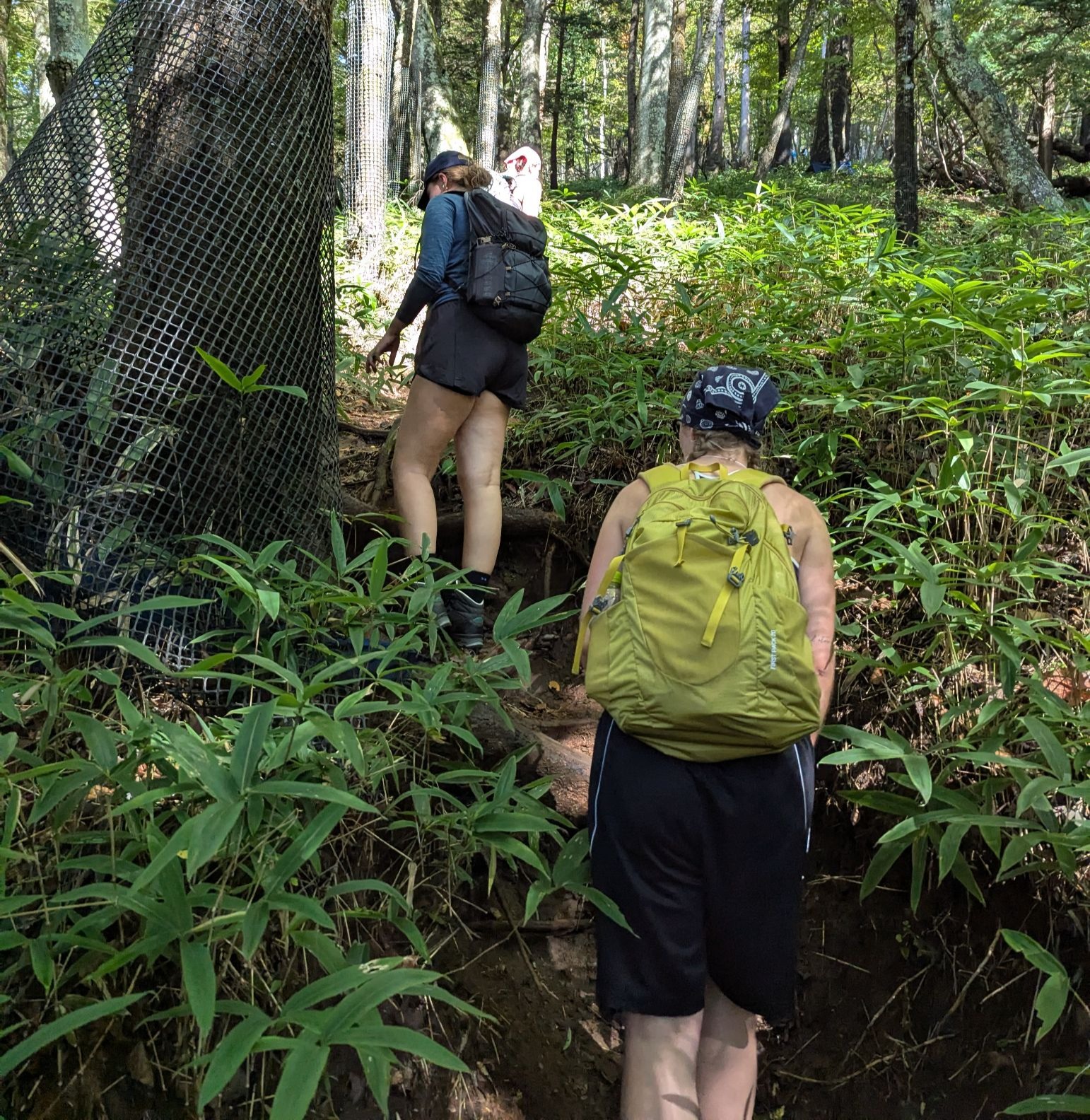
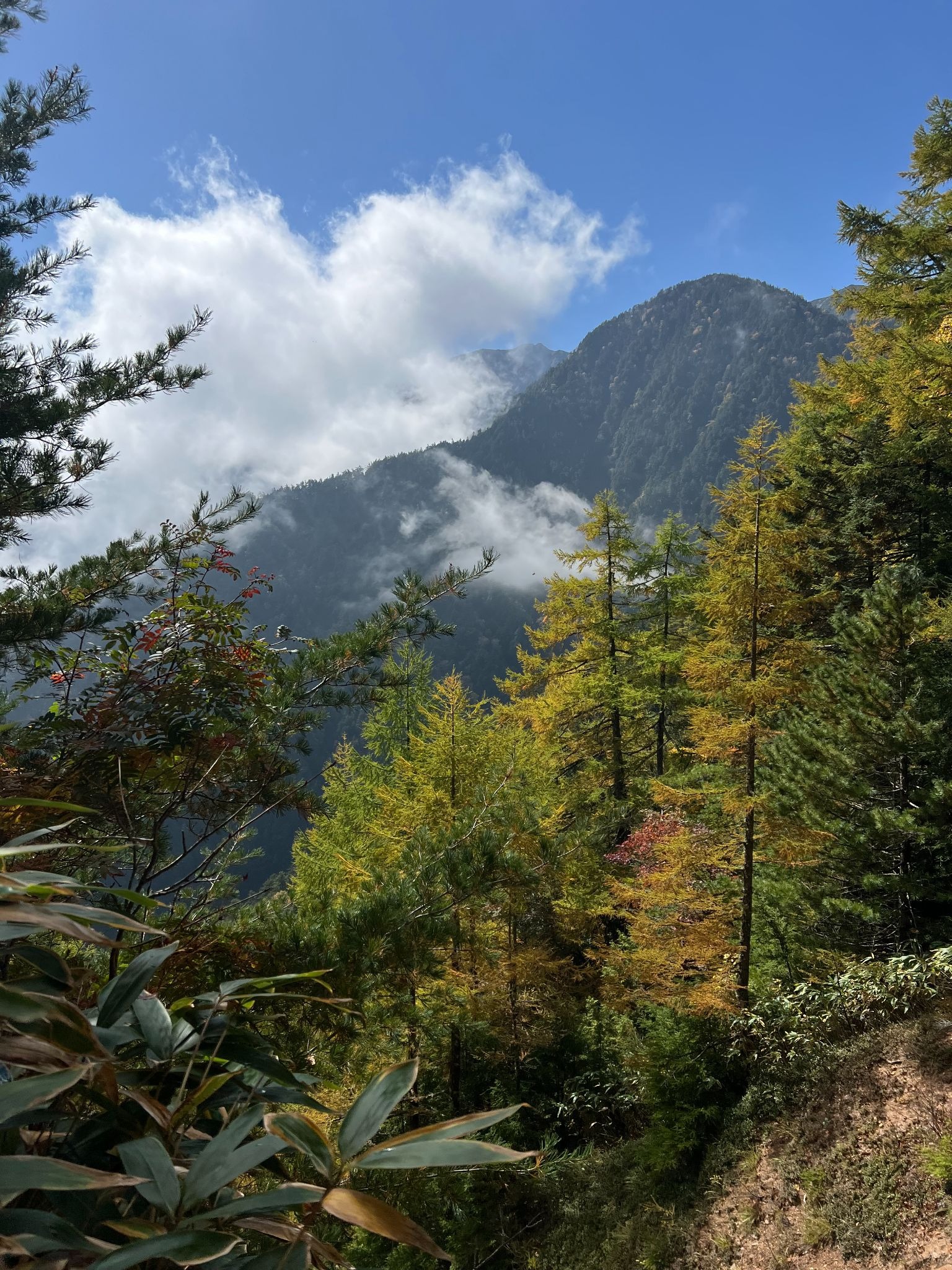
The first three-quarters of the route climbed steadily through forest. The autumn colours had already arrived, and every now and then the trees opened enough to reveal the surrounding peaks.
Despite the sunshine, the canopy kept most of the trail shaded. The temperature was almost perfect for walking. I quickly fell into a rhythm. The climb was hard, but manageable. I took short breaks, ate something, drank water and continued.
I also started recognising people. A group would overtake me while I stopped. Twenty minutes later, I would find them resting and pass them again. Eventually, the repeated encounters started earning little smiles and nods.
It was one of the first things I noticed about hiking alone: I could determine my own pace completely.
When you're hiking with someone, even a very good hiking partner, there is always a small amount of negotiation. Are we stopping? Are you tired? Am I walking too slowly? Do you want to keep going?
Alone, none of those questions existed. I stopped when I wanted to stop and kept walking when I felt good. If I wanted to stare through a gap in the trees for five minutes, nobody was waiting.
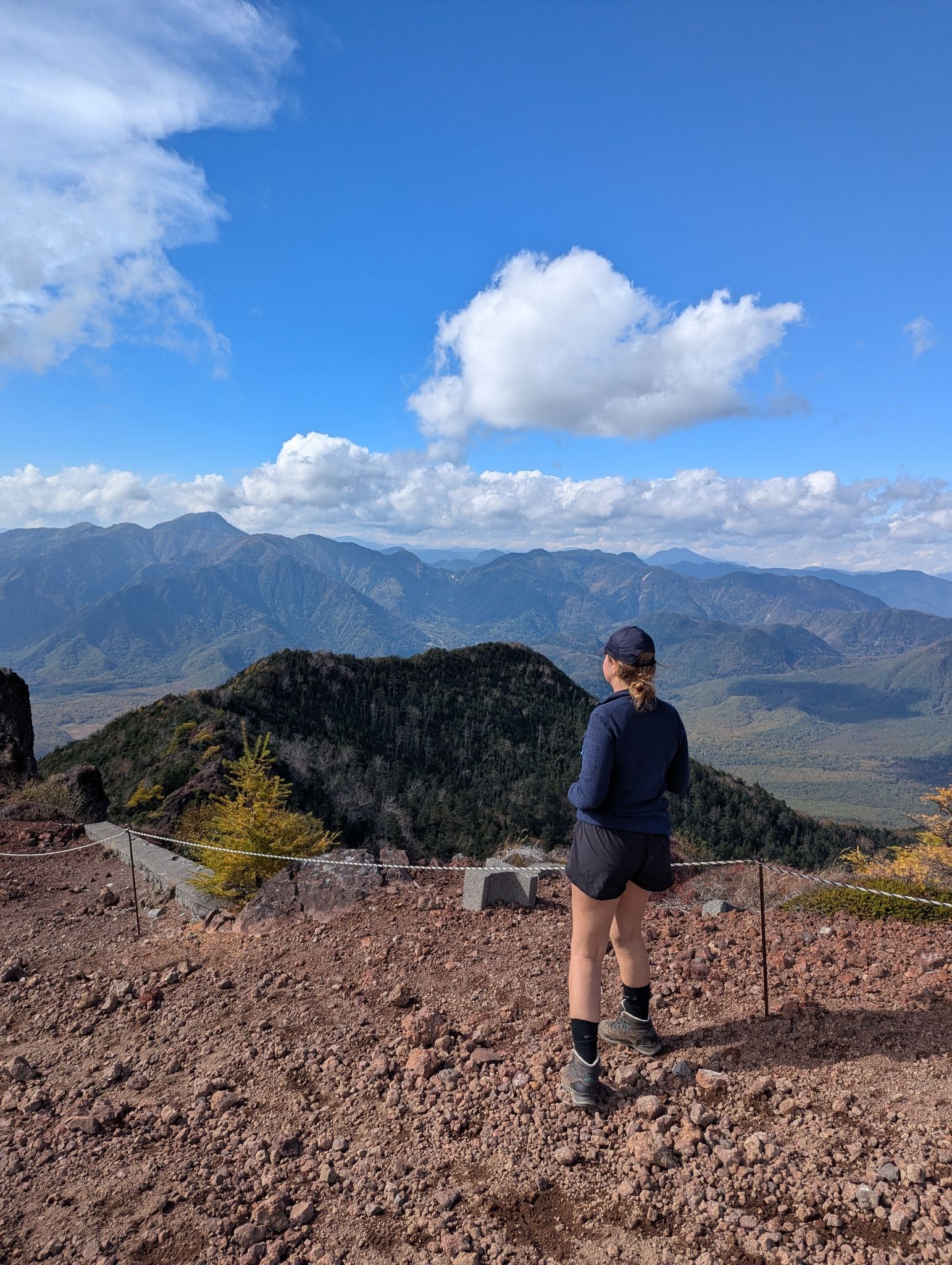
After several hours, the forest suddenly ended. In front of me were layers of mountains covered in orange and brown, interrupted by Mount Tsubakuro's distinctive white granite. The change was so abrupt that it felt as though I had walked into an entirely different landscape.
This was the moment I had come for.
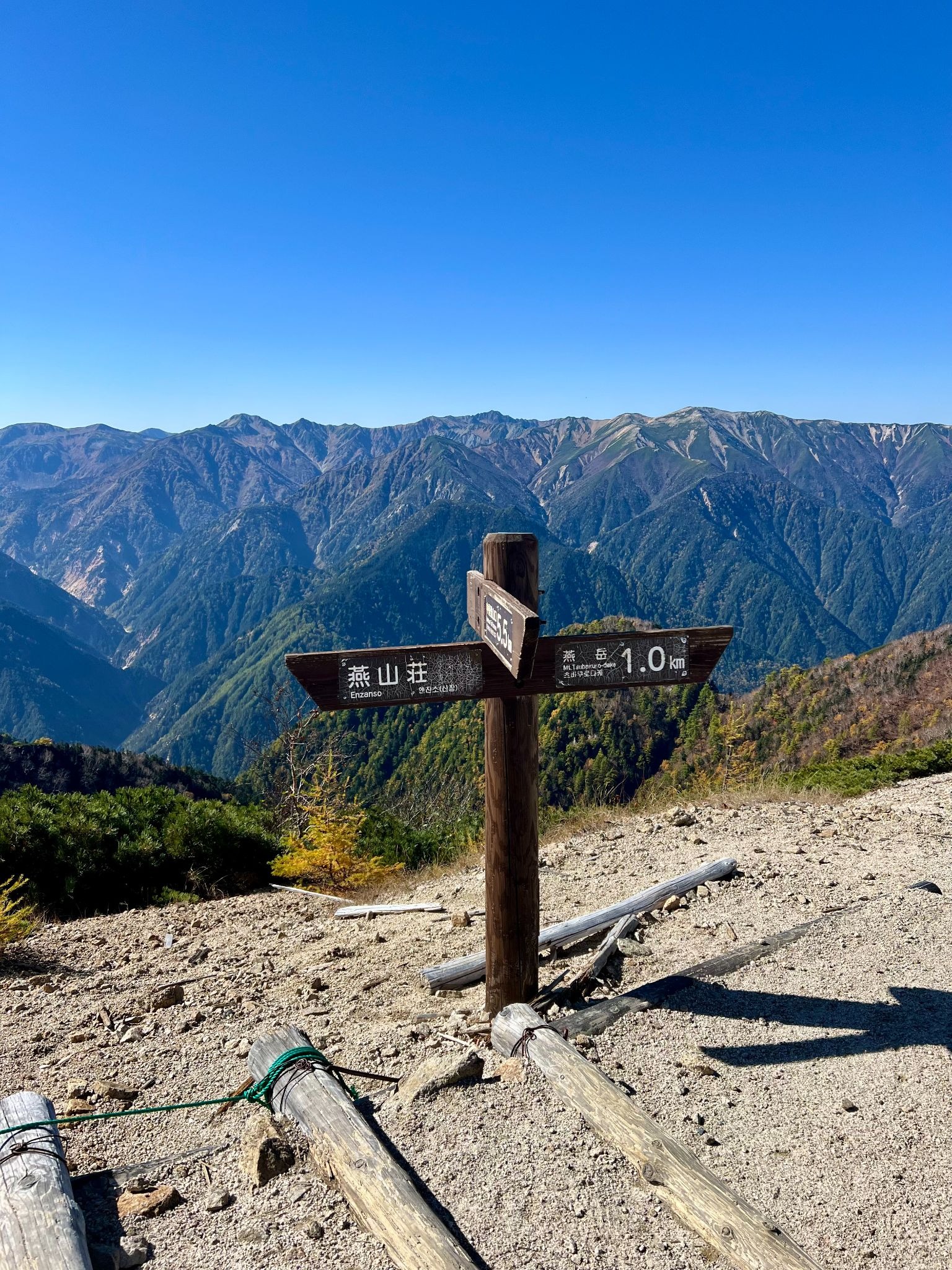
What surprised me most about the hike wasn't the solitude, but how social it became.
In Japanese cities, most of my interactions with locals had been brief and functional: ordering food, buying a train ticket, checking into accommodation. On the mountain, the dynamic was different.
The same hikers kept appearing along the route. Even without sharing a language, there was an easy recognition between us. We were all tired, all climbing the same steep trail and all stopping to admire the same views.
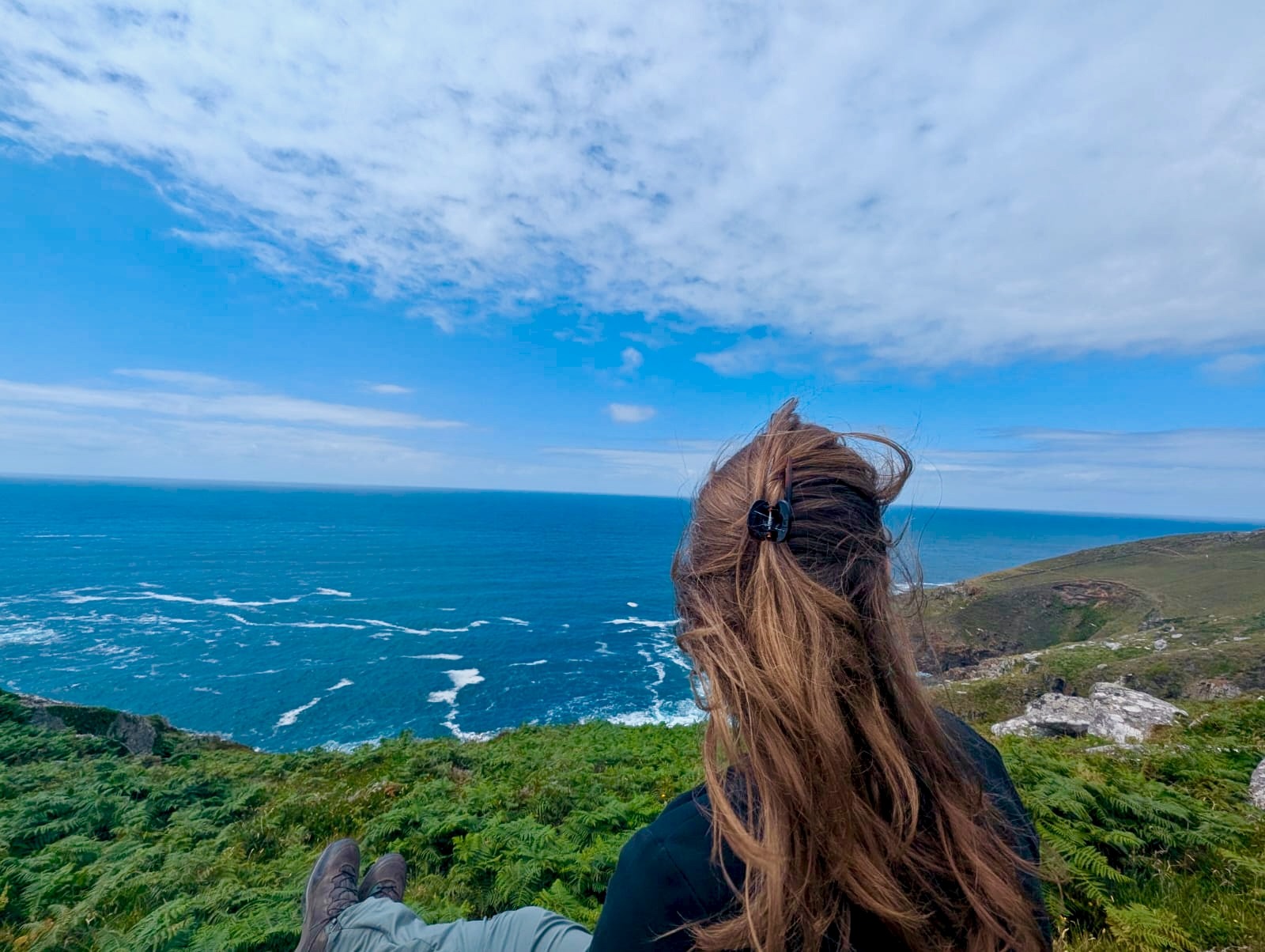
When I finally arrived near the top, a group of Japanese women quickly offered to take a photo of me. It felt almost like a quiet acknowledgement: We see you came here alone. Let us help you remember it.
Later, while I was sitting and looking across the mountains, a Japanese guy around my age came to sit beside me. He wanted to practise his English, so we started talking.
They were small interactions, but they showed me another side of travelling alone. When you're with someone, you're often naturally turned towards each other. When you're alone, you're turned towards the world. And the world often responds.
A night in the Japanese Alps
Once I reached the hut, unpacking wasn't particularly high on my list of priorities. The weather was still completely clear and the view stretched across the Japanese Alps, so I dropped my things and went back outside.
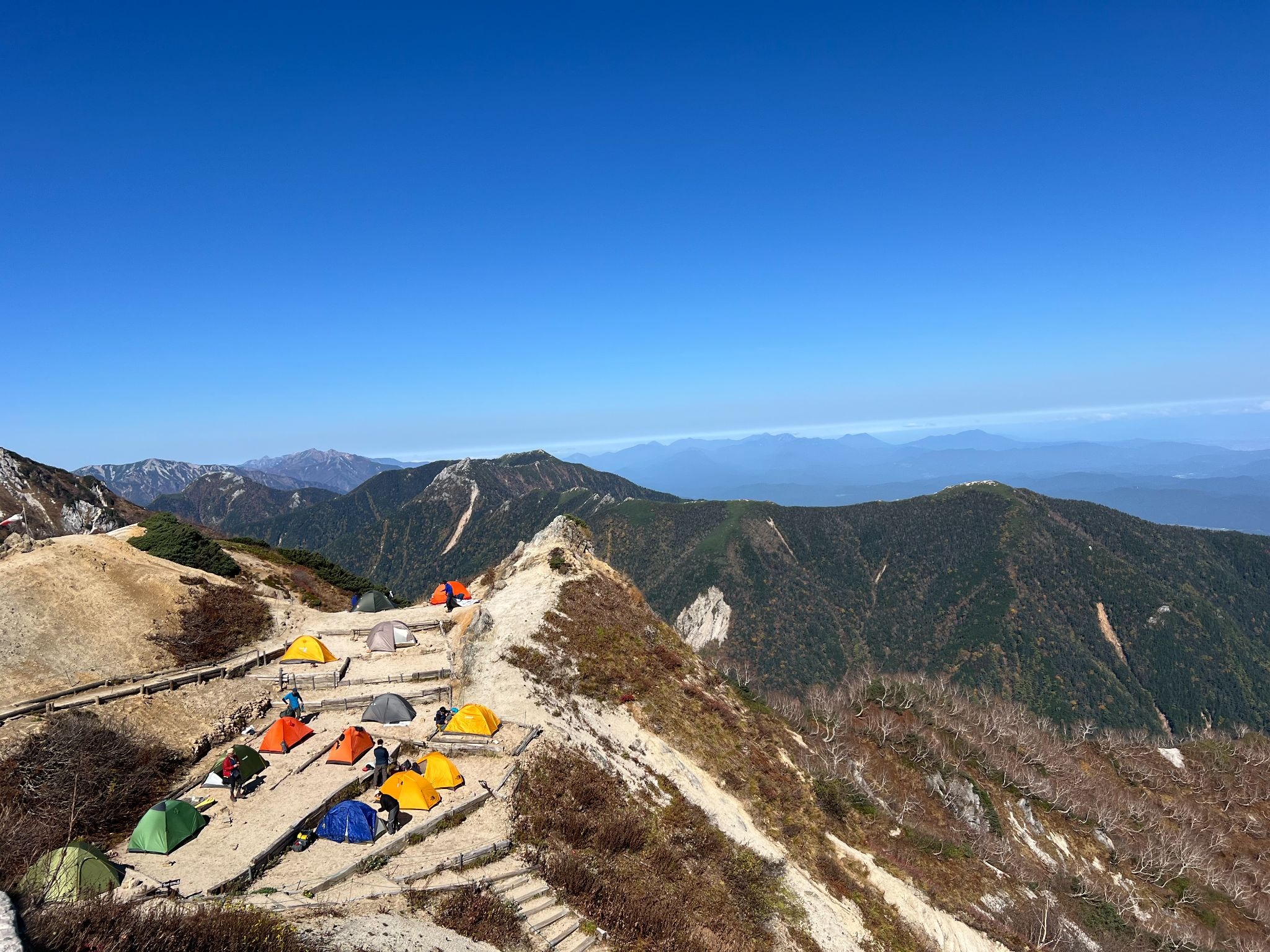
That evening we watched the sun disappear behind the mountains before the temperature dropped to around 5°C and pushed everyone indoors for dinner.
Sleeping at the hut was very organized but not very luxurious. There were no showers. My bed felt more like a plank, and the pillow seemed to be filled with rice. With everyone sleeping in rows, the whole place had something of a Japanese boarding-school atmosphere.
Then my alarm went off at 5 a.m. Outside, the sky was beginning to turn red. The wind was howling across the ridge and it was bitterly cold, but the mountains were completely visible. In the distance was the unmistakable outline of Mount Fuji.
For me, that sunrise was worth the entire climb.
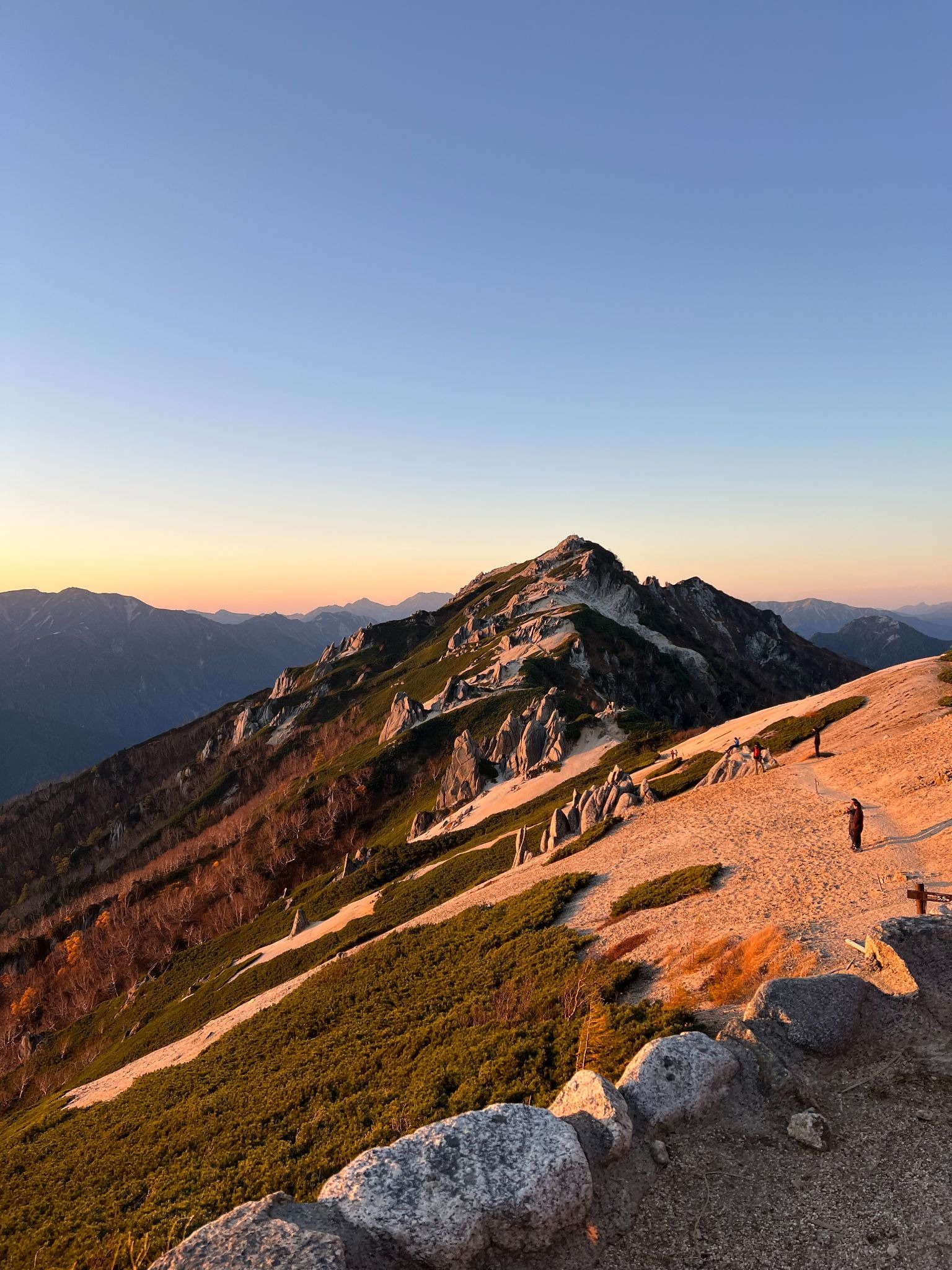
I don't think everyone needs to climb a mountain alone. There are routes I wouldn't attempt solo, conditions in which I would turn around and plenty of hikes that are simply more fun with someone else.
But Mount Tsubakuro changed the way I thought about travelling alone.
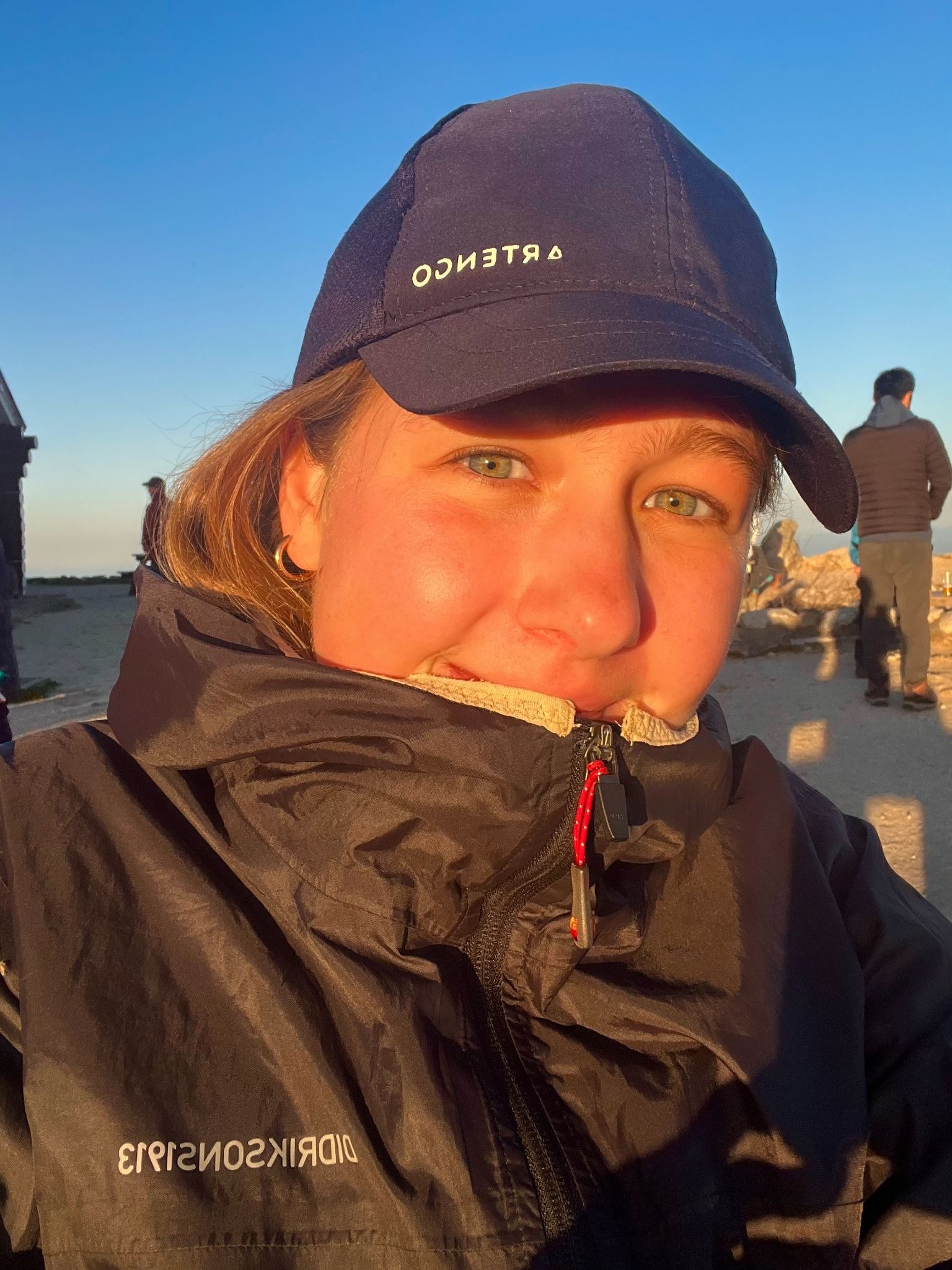
We often postpone things because nobody is available to come with us. A destination stays on the list until a friend's schedule aligns with ours. A hike becomes something we'll do "one day". Sometimes there are good reasons for that. But sometimes we're simply used to thinking that certain experiences require company.
That morning, standing at 2,763 metres, I knew I had got myself there. I had researched the route, checked the conditions, climbed 1,300 metres, spent the night in the mountains and reached the summit the following morning. And far from feeling lonely, I had met more local people along the way than I had during many days in the city.
That is perhaps what I would tell any other woman considering her first solo hike:
Eventually, you’ll stand at a peak you weren't sure you could reach. You’ll look back down at the trail below and realize that just a day ago, you were standing at the bottom, wondering if you could do this alone.
Now, you know.
Each experience is designed so women can feel safe, connected, and truly present, whether they travel solo or alongside new friends.
If you’re curious about future NomadHer camps, gatherings, and local experiences, you can explore more through the NomadHer app.






Paris Office:
Station F, 5 Parvis Alan Turing, Paris, 75013, France
Seoul Office:
Chenonggyecheonro-85, 9th floor, Seoul, South Korea
Busan Office:
BIFC 55th floor, Nam-Gu, Busan, South Korea
General Contact
aloha@nomadher.com
.png)
.png)
.png)