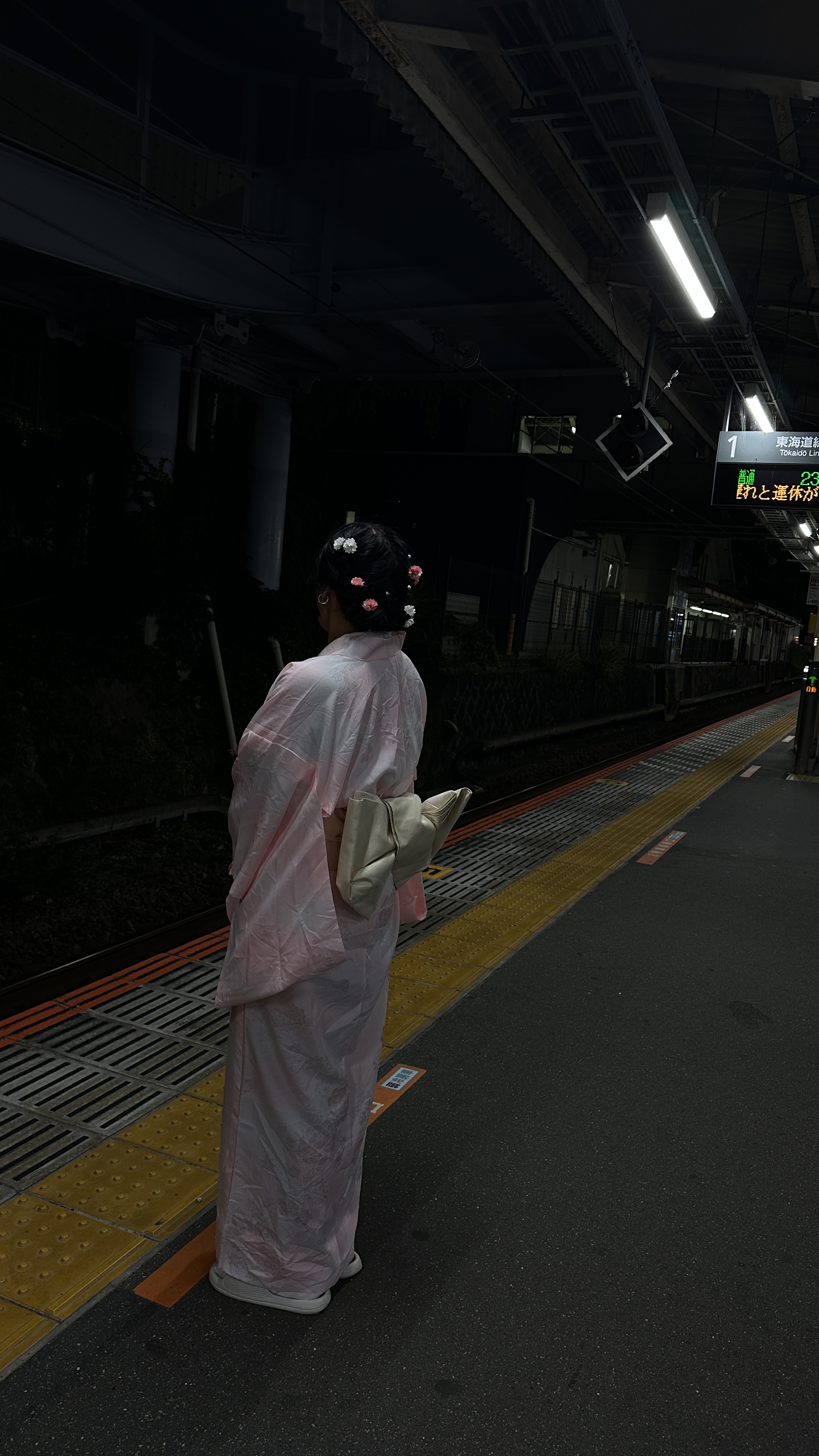
Most women are aware that we pay a lot more for things.
There’s the “pink tax.” The extra money women pay for products and services marketed for us compared to similar items marketed to men. There’s also 2.5 times more unpaid work women do than men, which comes out to roughly 16 billion hours of unpaid labor every single day, according to UN Women.
To add onto that, there’s another tax that women have been paying, and while there is no widely cited figure, survey data and research show that women pay more for their safety when it comes to traveling solo than men.
It’s known as the “safety tax” or the “avoidance tax” and while it is not as known as the “pink tax,” research shows that women choose centrally located hotels, taking taxis or rideshares over walking at night, or choosing women-only spaces over cheaper mixed accommodation.
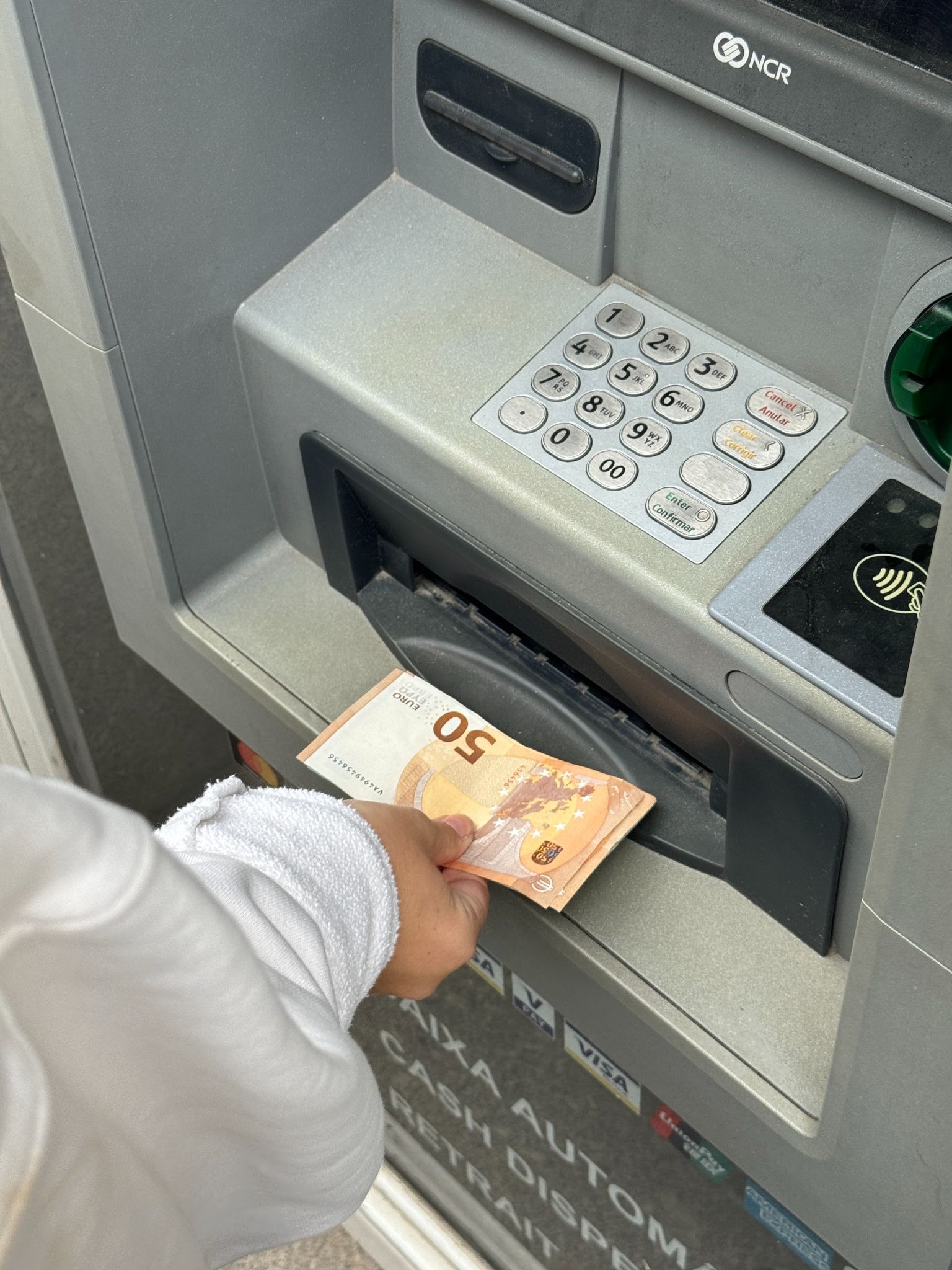
Around 71% of over 1,000 Australian women said that they have paid or expect to pay more to feel safe while traveling alone in a 2025 commissioned survey by insurer Insure&Go. There is no global statistic that shows how many women have paid or expect to pay more to feel safe.
Women have been shown to pay a significant “avoidance tax” in order to maintain personal safety while traveling, according to findings published in the Journal of Travel Research. This manifests in women restricting their own freedom of movement and actively avoiding going out alone at night, or opting to pay for private rideshares.
Another survey found that 51% of women feel safe traveling alone compared to 75% of men, from the Global Rescue Traveler Sentiment and Safety. They have also shown to do more research on their destination's safety reputation, read reviews from other women and are more likely to postpone trips or bypass countries that have high reports of gender-based harassment or violence.
Before even landing at a destination, most women are more likely to spend money on comprehensive travel insurance than men (63% vs 54%), safety gear or communication tools as found by research done at the Safer Tourism Foundation.
Women also already pay more by avoiding taking late-night and red-eye flights. Flights that land during the peak daytime hours are generally more expensive than late-night and red-eye flights, according to Flightright. Most people generally avoid landing late at night or in early morning hours in order to check into their accommodations, use public transit or get their car rentals.
But for women, the extra safety of landing during the day is crucial. Global datasets show that one in three women worldwide do not feel safe walking alone at night, and with a disparity between men’s and women’s percentage in high-income nations ranging from 20 to 30 percentage points, according to Gallup’s 2025 Global Safety Report.
A big reason behind this fear is from lived experiences. Data from UN Women and the UK shows that over 70% of women have experienced sexual harassment in public spaces, which have caused nearly 9 in 10 women in some major global metropolises to feel fundamentally unsafe outdoors. More data shows that almost half of women (48%) avoid exploring their travel destination at night altogether.
Looking at a popular website for a hostel in Copenhagen right now, the 8-bed mixed dormitory room costs €51, meanwhile the 6-bed female dormitory costs €61. Another Copenhagen hostel showed a 4-bed mixed dorm room to be €64, and the same size female 4-bed dorm room to cost €67. Both have the same size and are non-refundable, so the only other reason for prices to be higher is due to the separation of genders.
In Paris, a 4-bed mixed dorm costs €58.46 meanwhile the same size 4-bed female dorm costs €62.35.
Looking at hostels in Tokyo, Mexico City and in Indonesia, some hostels show prices being the same despite being mixed or women-only, so it can depend on the country and accommodation policies.

On average though, women choosing to stay at women-only hostel dorms can expect to pay more by about 5% to 22.5% more per night in comparison to staying in mixed-dorm rooms.
Most women would choose the comfort of staying with other women in their dorm room and pay the extra fee without a second thought, but these little prices can add up.
Dropping €20 on a Bolt ride back to your place at night over walking alone or using transit that usually only costs €1-3 is a normal recurrence for women where they live, so it goes without question for most women to pay extra in a new city or country, especially if they are alone.
From flight prices, accommodations and transportation at a destination, many of these small charges add up and can prove to be significantly more costly if we take into account the “safety tax” many female travelers pay.
However despite safety anxieties and the financial “safety premium,” solo female travel is one of the fastest-growing sectors in the global tourism industry. Data shows that while there are high reports of women feeling anxiety about traveling (increase from 64% to 70%), the number of solo female trips surged by more than 60% over three years and makes up for 71% of all solo trips worldwide.
The research shows odds stacked against women in terms of finance and safety, but women still continue to travel their own way by any means possible.