NomadHer is happy to share a new series featuring NomadHers and their own travel stories through personal blog posts. All posts have been edited for grammar and clarity while making sure to retain the true voices and stories of our writers. We’d like to extend a special thank you to all of our writers and to our community!
From steaming bowls of ramen to unexpected conversations with strangers, travelling alone through Japan taught me that some of the most memorable meals are the ones we eat by ourselves. Looking for restaurant recommendations? You'll find my favourite places to eat solo in Japan at the end of this article.
One of the first thoughts that crossed my mind when I set off on my first solo trip was: What am I going to do about dinner?
Travelling alone was one thing. I could happily spend hours wandering unfamiliar streets, getting lost in neighbourhoods or exploring places at my own pace. But sitting down at a restaurant, asking for a table for one and eating an entire meal without anyone across from me? Somehow, that felt far more intimidating.
For most of us, eating is an inherently social activity. We meet friends for dinner, catch up over lunch and celebrate special occasions around a table. Outside of grabbing a quick bite or sitting in a café with our laptops, we rarely choose to dine alone.
But during my travels through Japan, I discovered that eating alone isn't something to overcome. In a country where counter seating is common, solo diners are a familiar sight, and restaurants often specialise in just a handful of dishes perfected over decades, eating alone feels like a natural part of everyday life. In fact, it can become one of the most rewarding parts of travelling solo. And sometimes, I would even argue, it's better than eating with company.
A Feast for the Senses
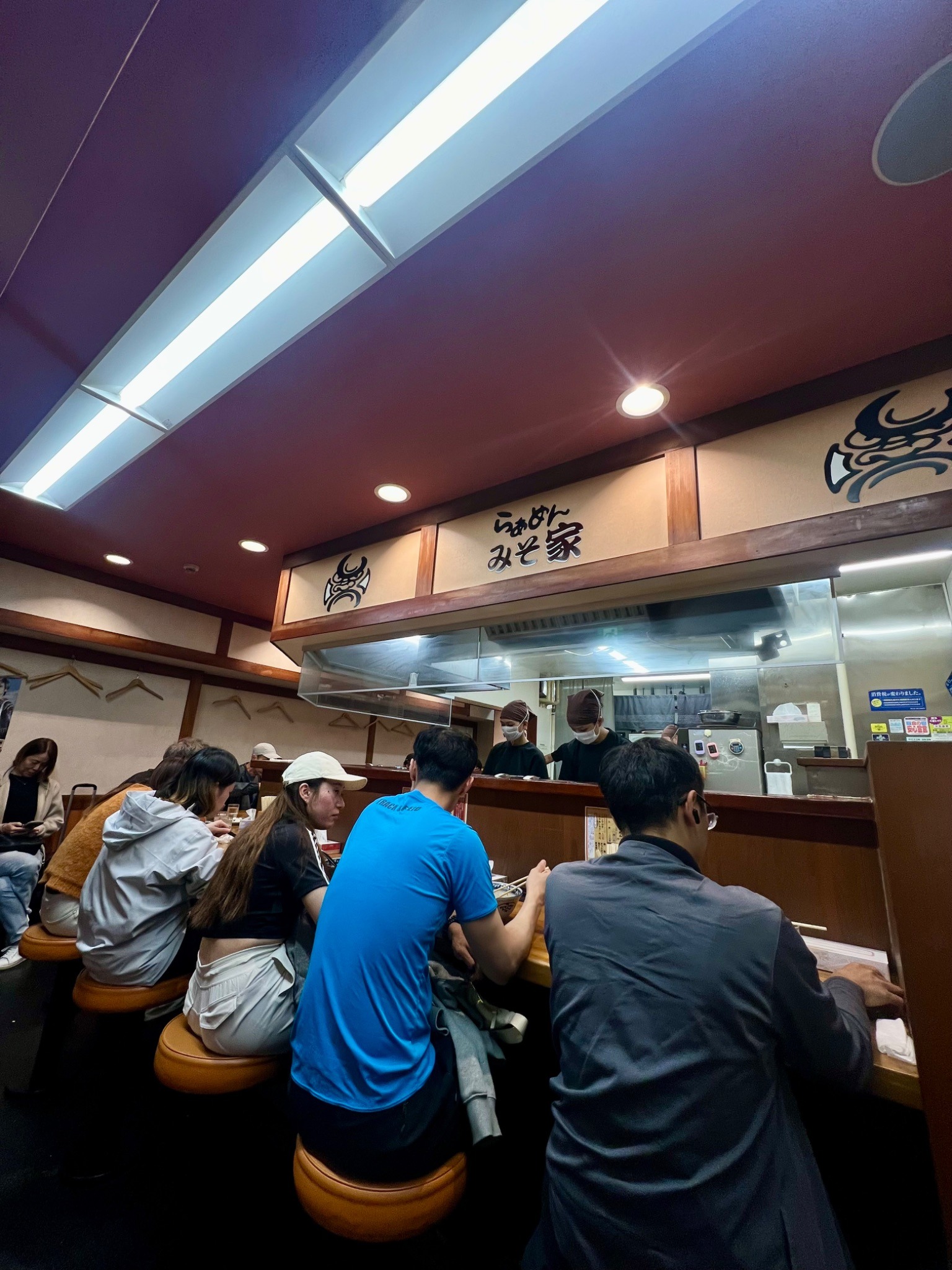
Imagine sitting down for a bowl of ramen with a friend. You're talking about your day, laughing over something that happened earlier or planning where to go next. The food arrives, you take a few bites, and the conversation continues.
Now imagine sitting down for that same bowl alone.
Without a conversation to occupy your attention, you begin to notice things around you. The sound of a knife against a wooden chopping board. The hiss of meat hitting a hot grill. The condensation slowly making its way down the side of your ice-cold glass. Behind the counter, the chef quickly moves between steaming pots and neatly arranged ingredients, assembling each bowl with movements refined through years of experience.
He shouts, “Irashaimase!” to incoming guests while setting down the bowl in front of you.
You feel the steam rising towards your face, carrying the aroma of a broth that was simmering for hours. You notice tiny droplets of fat gather on the surface, the noodles disappearing beneath slices of tender pork.
Suddenly, the meal becomes about more than what's in your bowl. You begin to appreciate the skill, patience and preparation behind it. And in Japan, where some of the most memorable meals are served just a few feet from the person preparing them, there's plenty to take in.
More Than Just a Meal
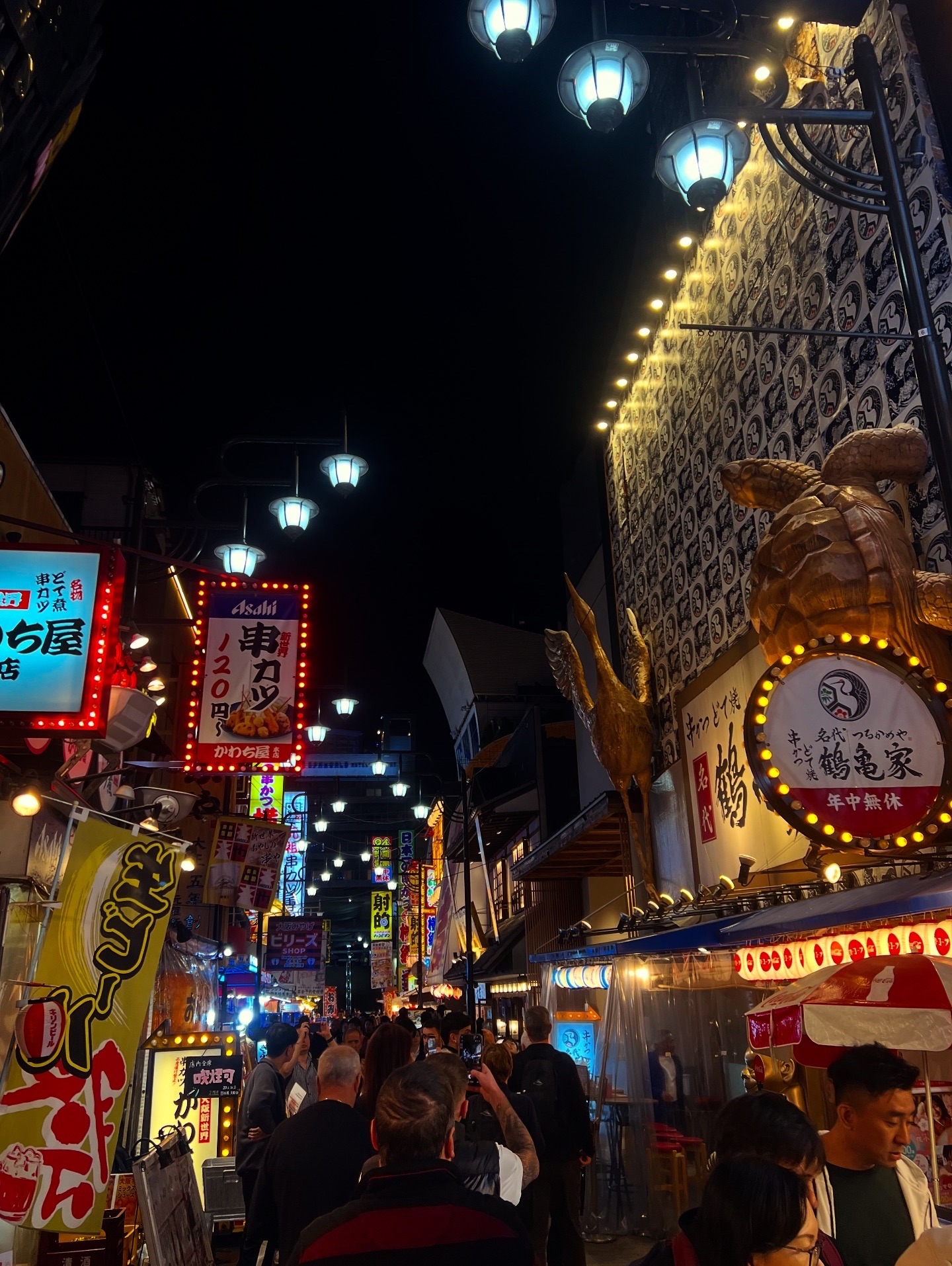
Japan has a way of making even the simplest meal feel intentional. From tiny ramen shops and yakitori counters to intimate sushi restaurants, craftsmanship is often on full display.
There's something fascinating about watching a chef work at such close range. The precision of their knife, the rhythm of their movements, the attention given to something as ordinary as a bowl of rice.
Japanese food culture is shaped by ideas of seasonality and respect for ingredients. The expression itadakimasu, traditionally said before eating, reflects a sense of gratitude towards the food and everything that made the meal possible.
It made me think about how easily we take food for granted. How often do we stop to consider where our ingredients come from, who prepared them or the traditions behind a dish?
Because food is never just food. It carries stories of migration, geography, family traditions and generations of knowledge. Take okonomiyaki, a seemingly simple savoury pancake that takes skill to get just right, or omurice, where a perfectly cooked, delicate omelette is the result of years of practice. Even something as everyday as preparing matcha can become an elaborate ritual, rooted in centuries of Japanese tradition. A single dish can tell you something about a destination that no museum or guidebook ever could.
Never Really Alone
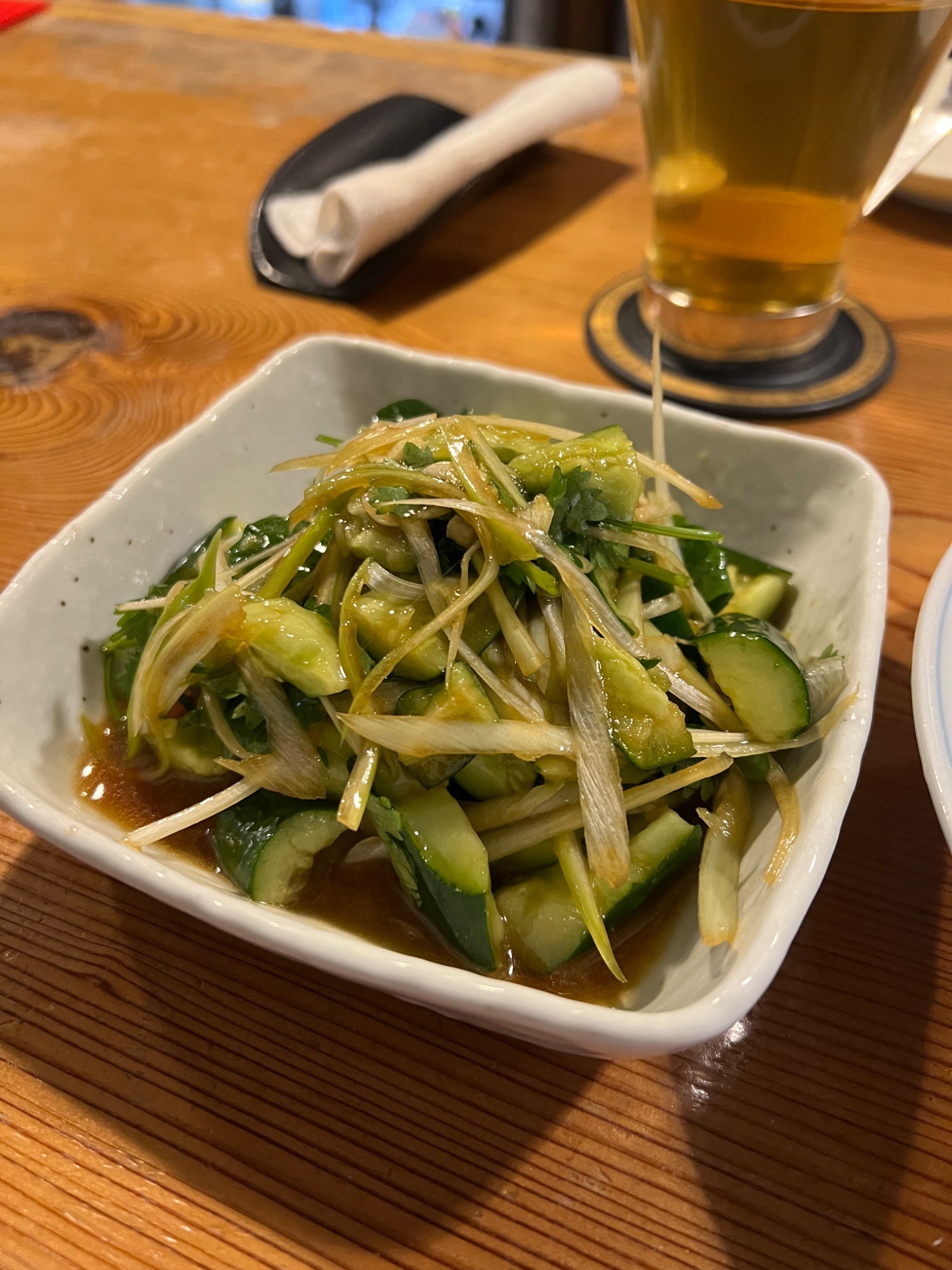
One evening in Japan, I walked into a small restaurant specialising in Sichuan cuisine.
I was the first customer to arrive since it was earlier in the evening. The owners were busy preparing for the evening rush, arranging ingredients and finishing their mise en place while the smells of chilli, spices and cooking oil drifted from the kitchen.
I took a seat at the counter and browsed through the menu. I started talking to the owner, who recommended a few dishes I probably wouldn't have chosen myself.
He told me about opening his restaurant, and we talked about some of the cultural differences between China and Japan. Meanwhile, his wife was studying for her driving theory exam, and I ended up helping her work through a few questions.
We talked about the Netherlands, the foods we eat back home and the differences between our everyday lives.
Walking into the small shop, I expected a quick dinner, but was surprised with an evening of warm conversation and a full belly.
It struck me afterward that if I had been travelling with someone else, that wholesome interaction with the shop owners would have never happened. I probably would have spent the evening talking to my companion, barely exchanging more than a few words with the people behind the counter.
Instead, being alone made me more approachable, but perhaps more importantly, it made me more open to approaching others.
Not every meal leads to a memorable encounter, of course. Sometimes you simply eat, pay and leave. And that's perfectly fine too. But that evening reminded me that travelling alone doesn't necessarily mean experiencing a place alone. Sometimes, it creates the very conditions for unexpected connections.
Learning to Enjoy Your Own Company
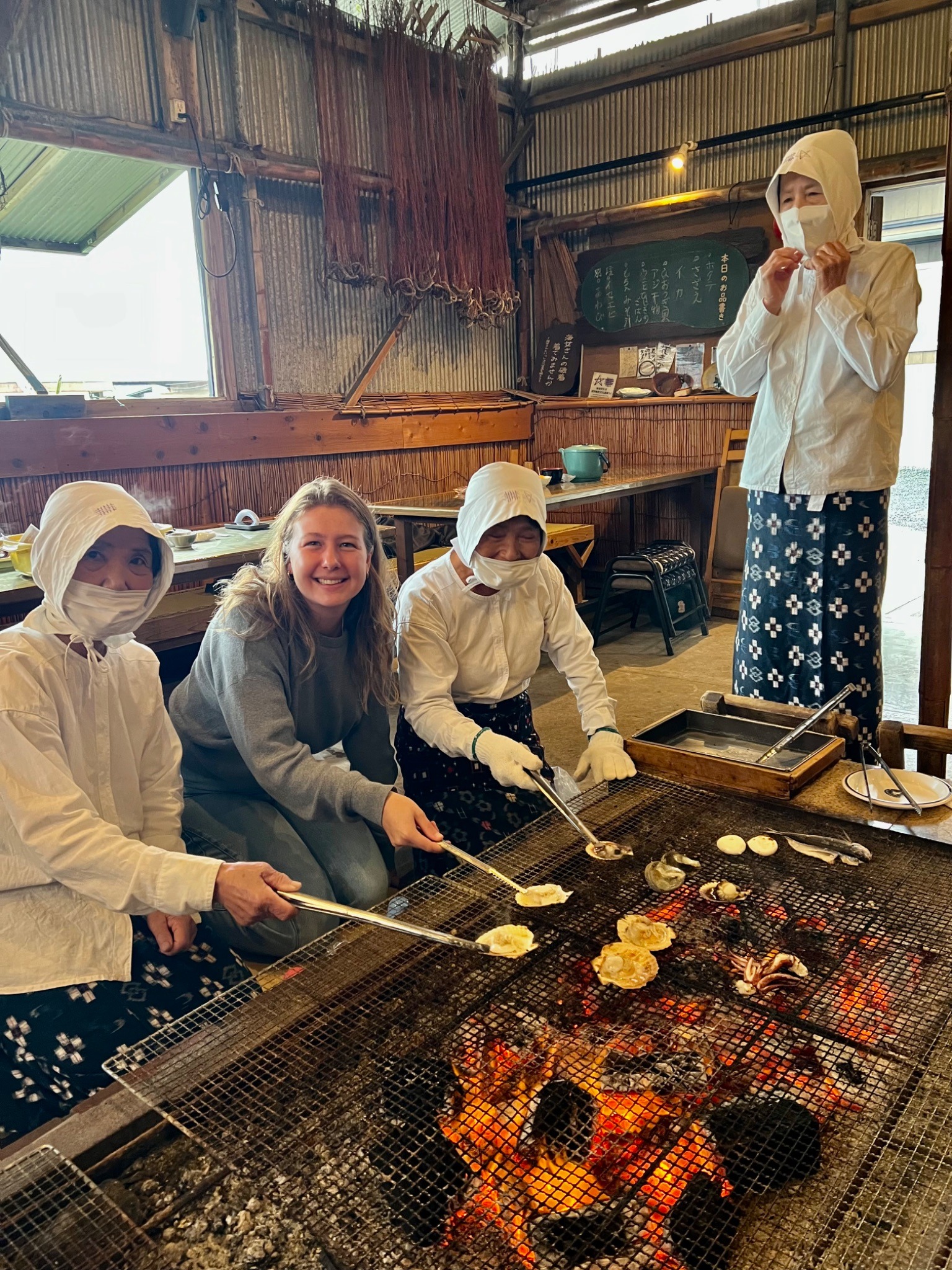
Of course, there's another side to solo dining. One that doesn't involve conversations with strangers or particularly memorable meals.
Sometimes, it's just you and an empty chair across the table. At first, that can feel strangely exposing. You might wonder whether people are looking at you, whether the staff find it unusual or what you're supposed to do with yourself between courses.
The temptation to reach for your phone is almost automatic. But once you resist that urge and allow yourself to simply sit there, something shifts.
You realise that nobody is particularly concerned with the fact that you're eating alone. The other diners are occupied with their own meals, the staff are busy working, and the world continues around you. You don't have to fill every silence or justify your presence.
You can order exactly what you feel like eating, follow a recommendation from a stranger or return to the same little restaurant three nights in a row simply because you enjoyed it so much the first time.
The more often you do it, the more you realise that enjoying your own company isn't something that comes naturally to everyone. Sometimes, it's a skill you have to practise.
And what better place to start than over a good meal?
Travelling Through Food
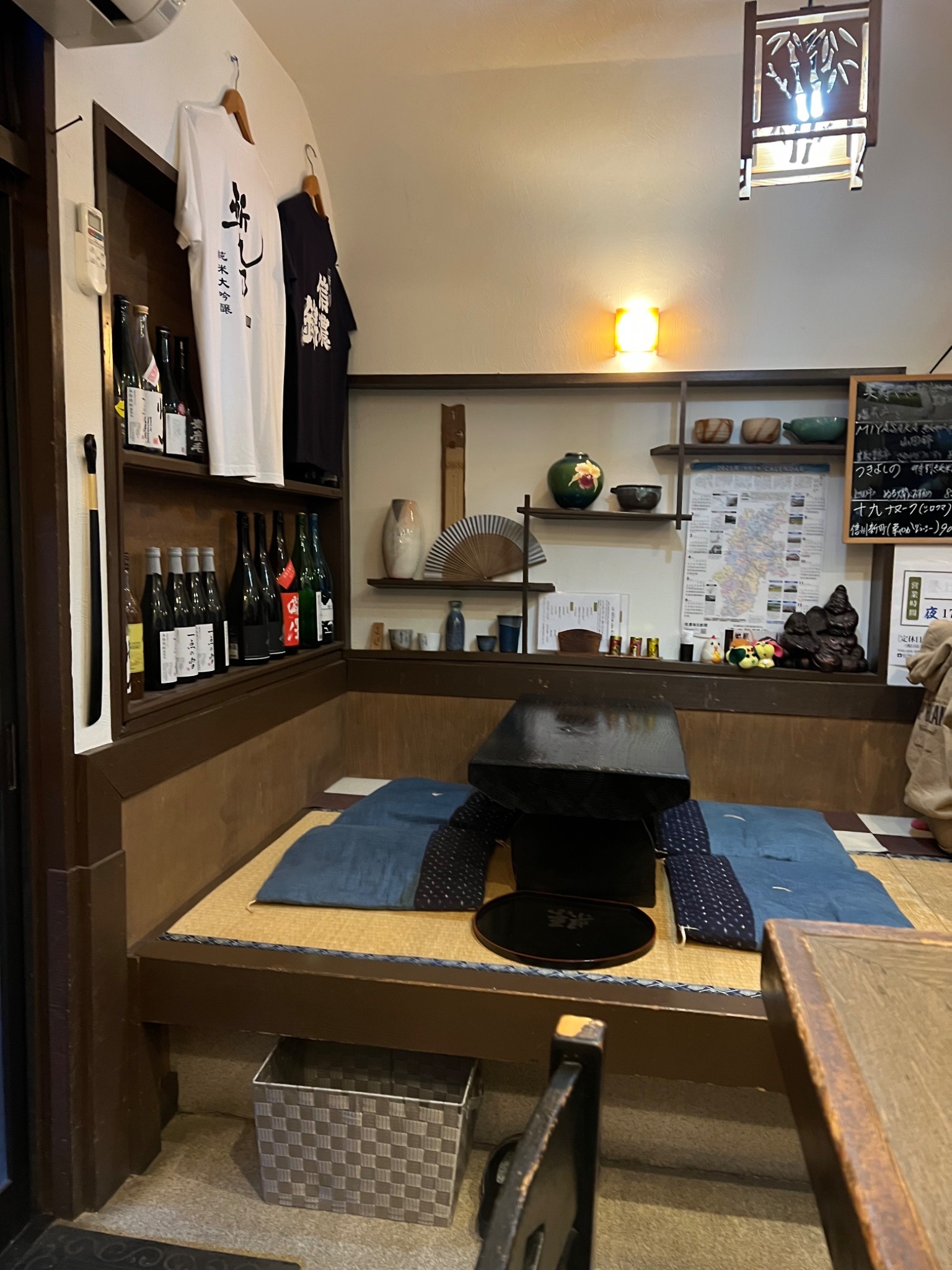
I've always believed that one of the best ways to get to know a place is through its food. Not necessarily through the restaurants with the longest queues or the dishes that appear in every travel guide, but through the everyday places where people gather to eat.
The neighbourhood noodle shop. The tiny restaurant with six seats at the counter. The family-run place where the menu hasn't changed in years. These are places where you can experience a small part of everyday life, even when you don't speak the language.
That doesn't mean eating alone is always better than sharing a meal. Some of my favourite food memories have been made around crowded tables with friends, passing dishes back and forth.
But I've come to realise that the two experiences offer something entirely different.
Sharing a meal allows you to connect with the people you're with. Eating alone can bring you closer to the place you're in, the people you encounter and, perhaps most unexpectedly, yourself.
So, if you're planning your first solo trip and the thought of asking for a table for one makes you nervous, my advice is simple: do it anyway. Find a counter, take a seat and order something you've never tried before.
And who knows? By the end of your trip, eating alone might be one of the things you miss most when you return home.
My Favourite Places to Eat Alone in Japan
From intimate neighbourhood restaurants to bustling ramen counters, these are some of the places that made my solo travels through Japan particularly memorable and where I'd happily return for another table for one.
3 tips in Tokyo
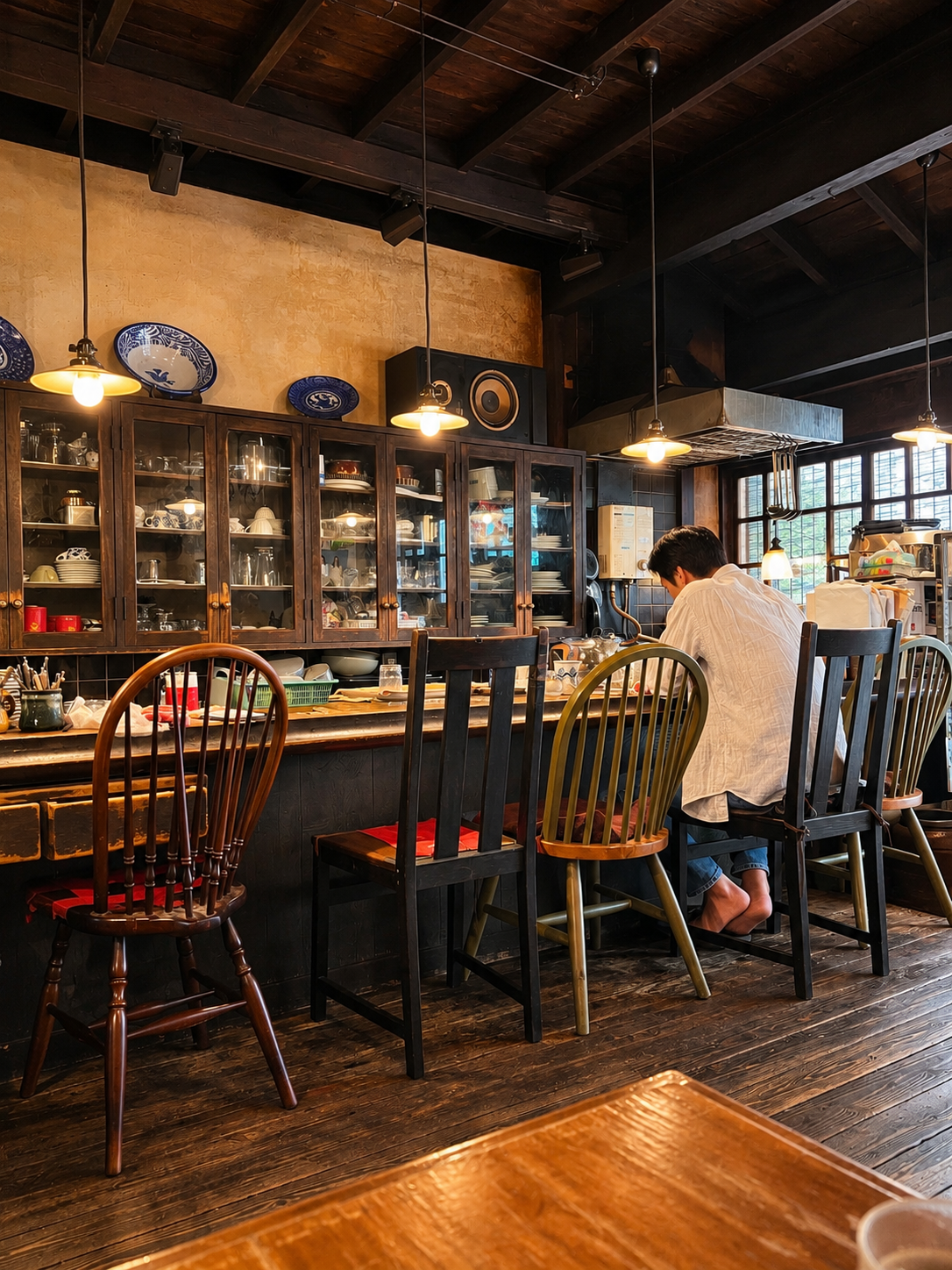
Tucked away in Tokyo’s Koenji neighbourhood, Nanatsumori is a nostalgic Japanese kissaten filled with antique furnishings, warm wooden interiors and a cosy, old-fashioned atmosphere. Its speciality is omegohan, a Japanese-style omelette rice with fluffy eggs, simmered beef and mushrooms.
2-20-20 Koenjiminami, Suginami Tokyo Prefecture
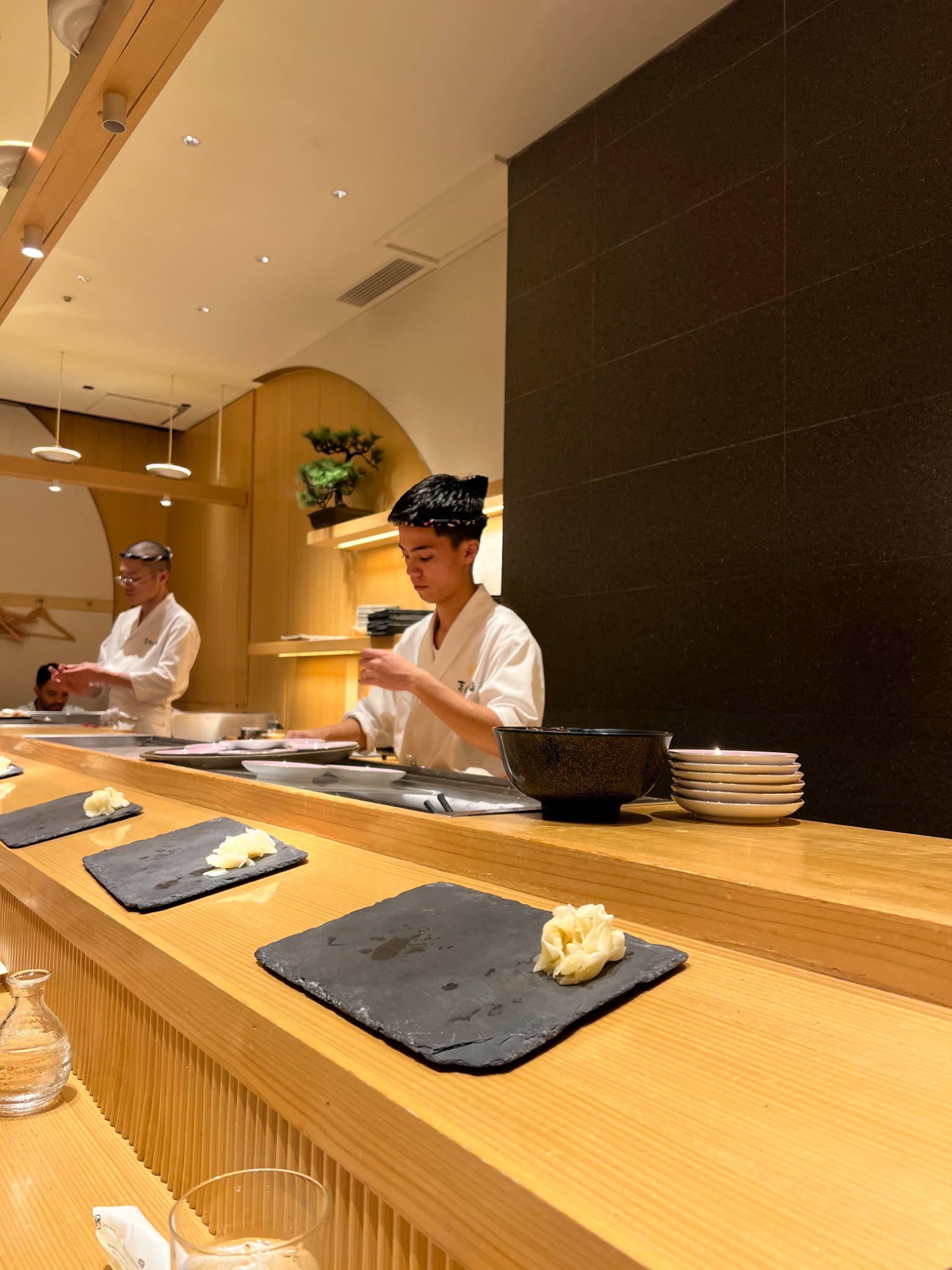
Just a five-minute walk from Tokyo Station, Manten Sushi Marunouchi offers one of the more affordable omakase experiences in the city. Take a seat at the counter and watch the chefs prepare a selection of seasonal nigiri and small dishes, including tuna sourced from Toyosu Market.
2-6-1 Marunouchi Brick Square B1, Marunouchi, Chiyoda 100-6990 Tokyo Prefecture
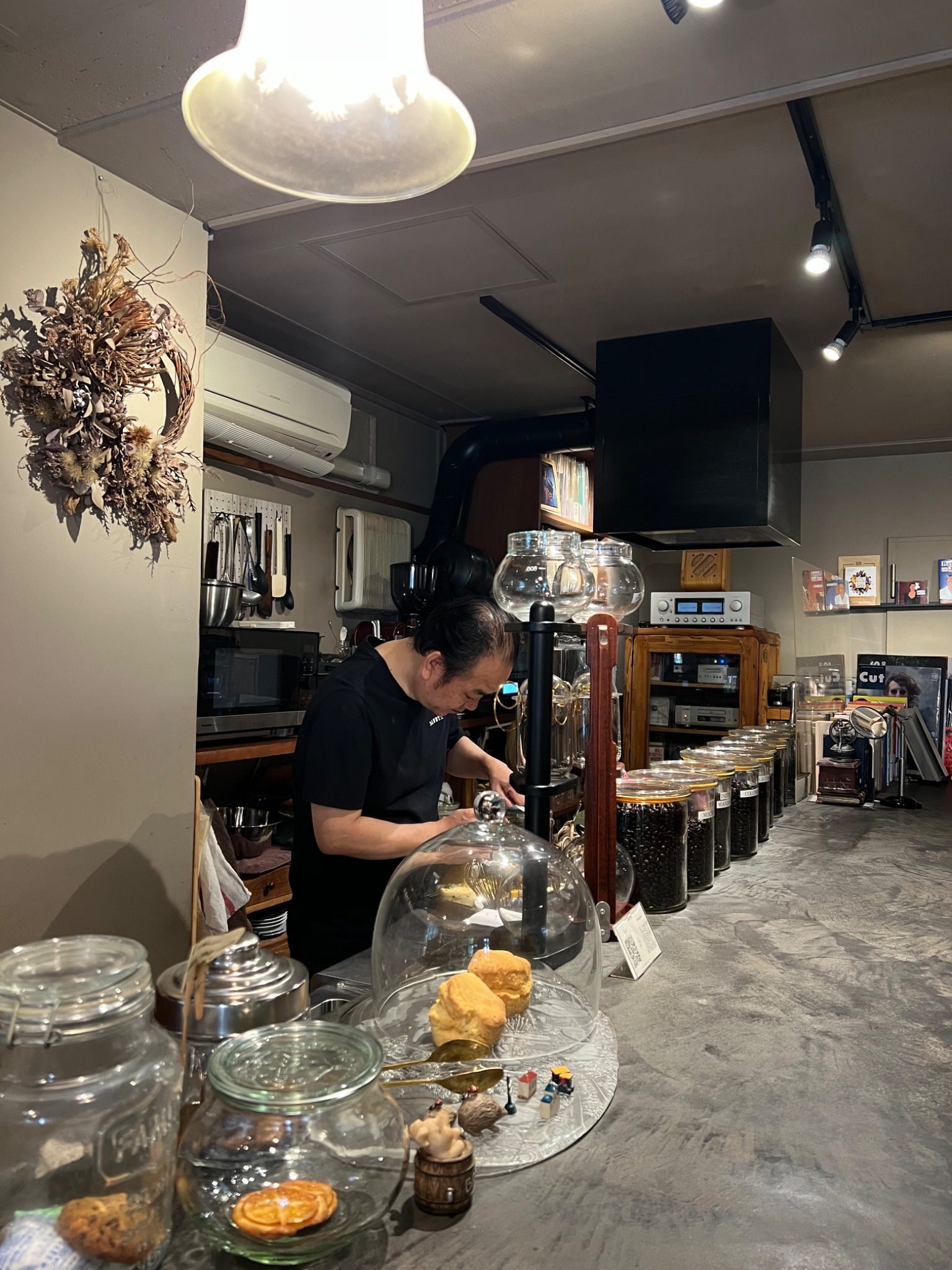
Tucked away in Tokyo’s book district of Jimbocho, On a Slow Boat to… is an intimate, 16-seat jazz kissaten run by a welcoming couple, where records play and freshly roasted coffee is served. Inspired by Haruki Murakami’s A Slow Boat to China, it’s the perfect place to unwind after an afternoon exploring the neighbourhood’s many bookshops.
1 Chome-5-20 Sarugakucho, Chiyoda City, Tokyo 101-0064, Japan
2 tips in Osaka
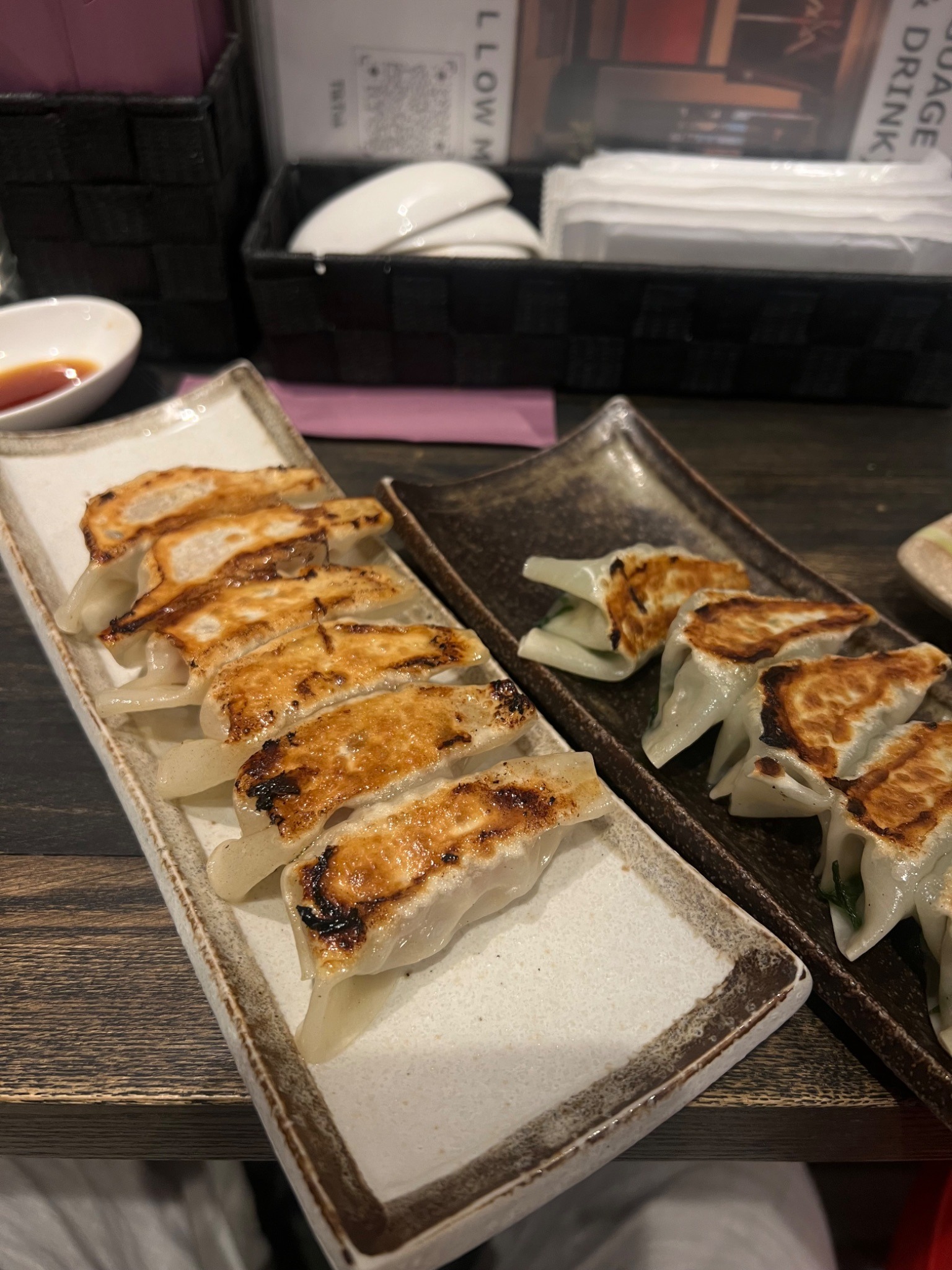
Near Namba Station in Osaka, Tateyama is a lively gyoza specialist recognised with a Michelin Bib Gourmand. Its signature dumplings are a must-try, with crispy edges and juicy, flavourful fillings, best enjoyed alongside a cold drink in the bustling atmosphere.
1-4-9 Oyodiminami Kita-ku, Osaka 531-0075 Osaka Prefecture
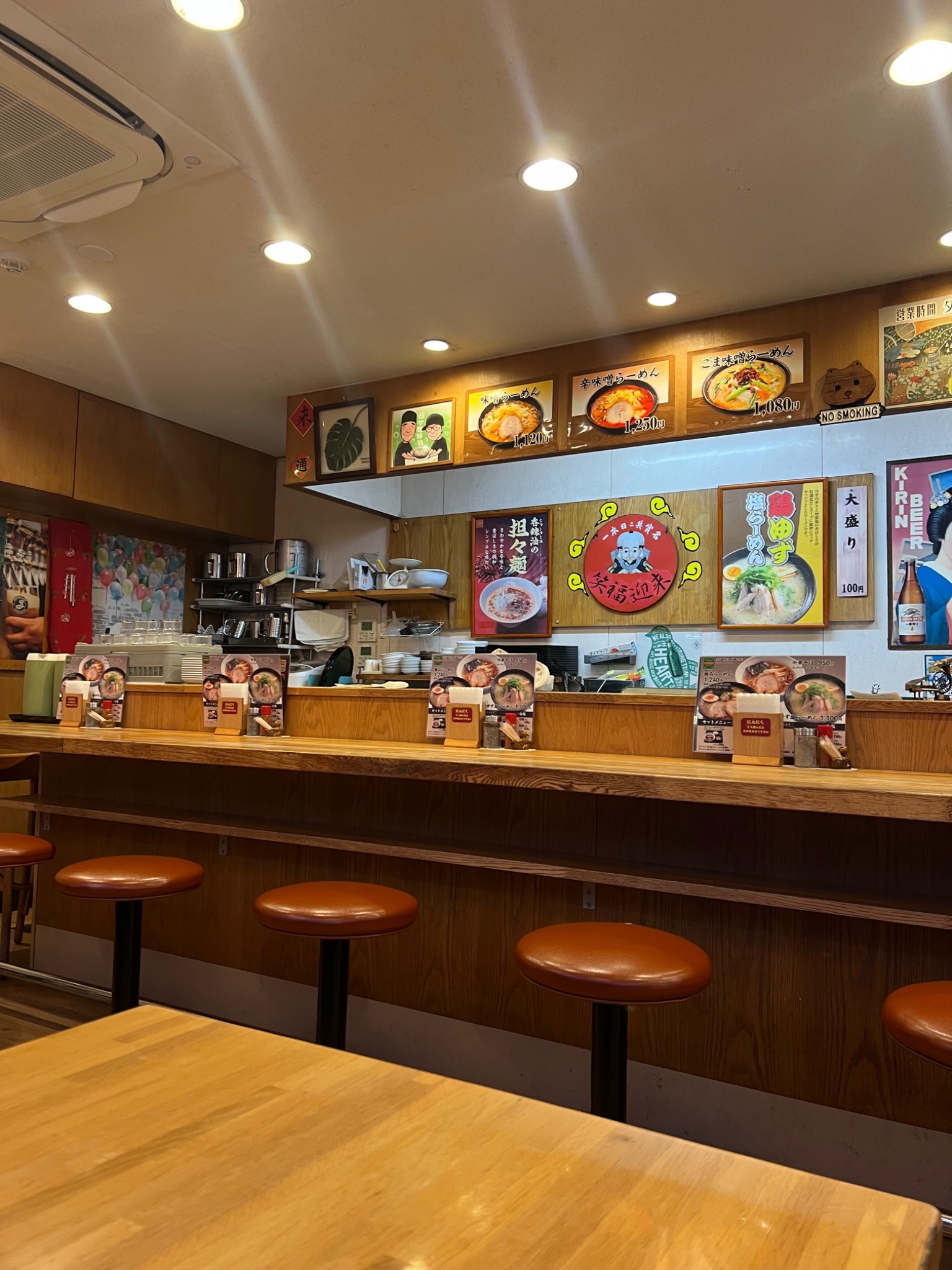
Run by the heartwarming couple Hitoshi and Sumiko Kono, Maren is a cosy ramen shop that opened in 2021, where every detail is thoughtfully considered. Expect noodles with a satisfying chew, a wide selection of ramen and the kind of warm hospitality that makes you feel right at home.
2-1-30 Nishitanabe-cho, Abeno-ku, Osaka City
3 tips beyond Tokyo & Osaka
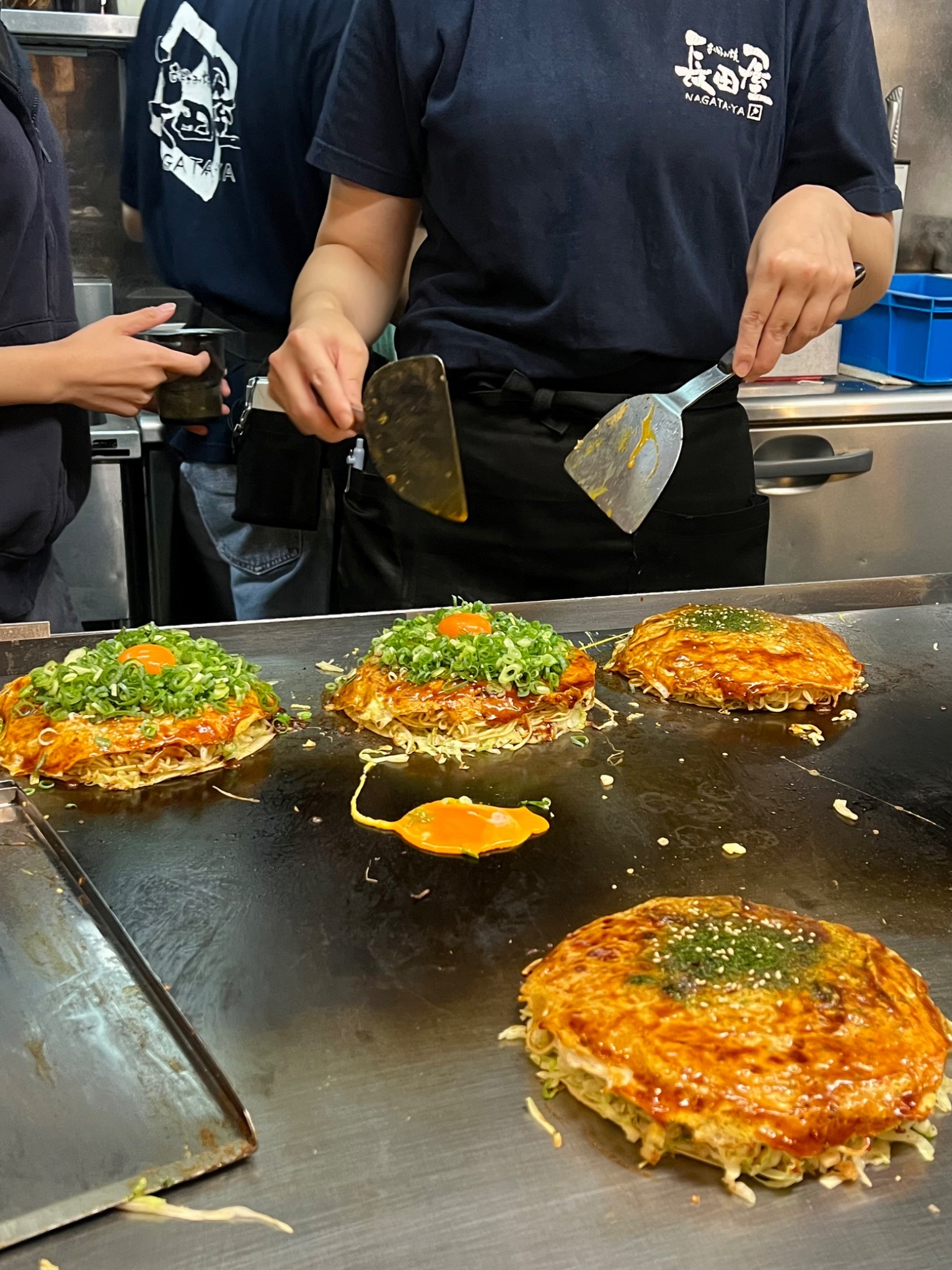
In the heart of Hiroshima, Okonomiyaki Nagata-ya serves the city's famous layered okonomiyaki, made with cabbage, noodles, pork and egg. Grab a seat by the teppan grill and watch your meal being prepared right in front of you, surrounded by the restaurant's nostalgic, retro atmosphere.
1-7-19 Otemachi, Naka-Ku 1F, Hiroshima 730-0051 Hiroshima Prefecture
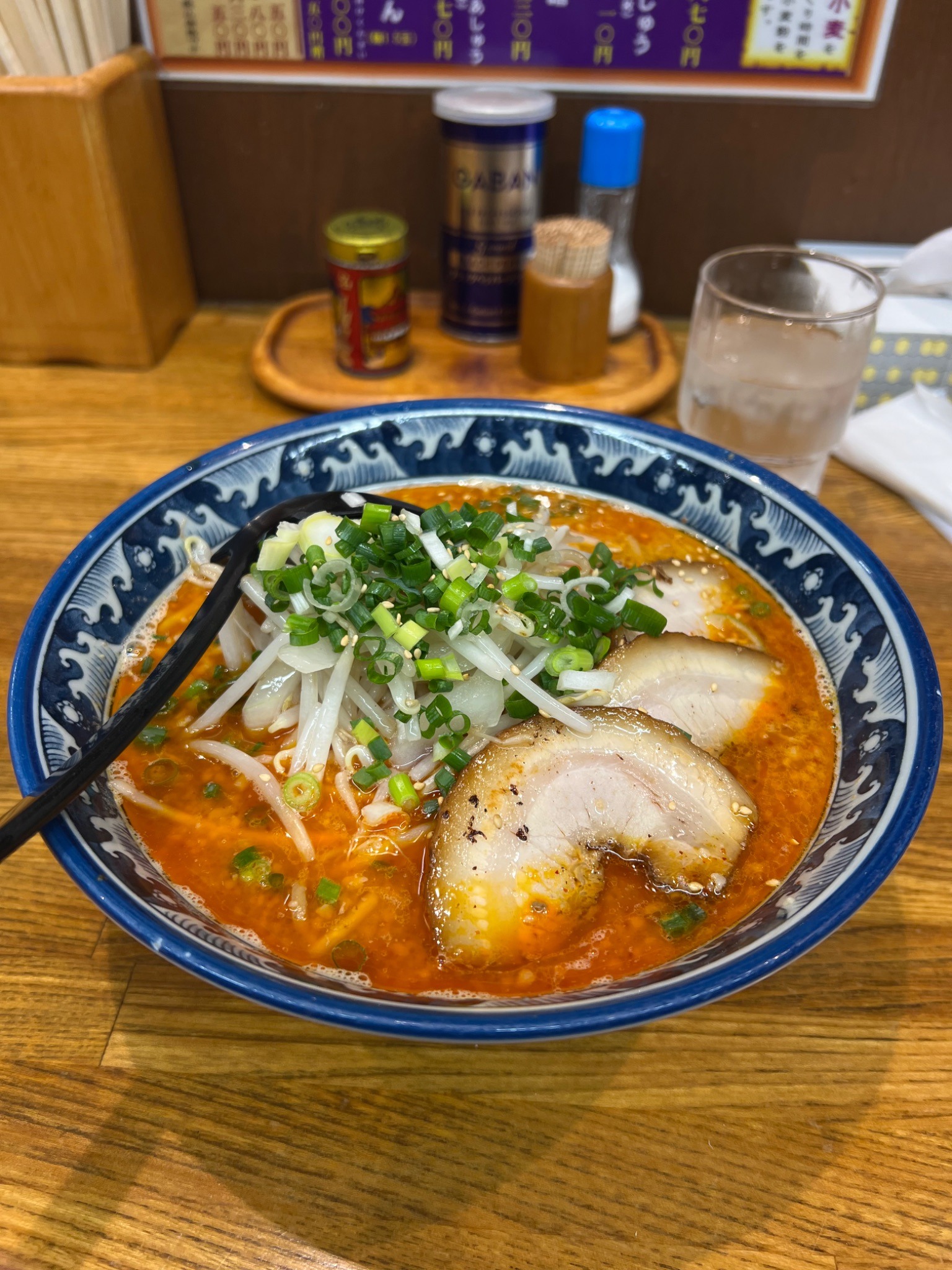
Just a short walk from Nagano Station, Ramen Misoya specialises in rich, comforting miso ramen served with stone-ground noodles and smoky chashu pork. A great spot to warm up with a hearty bowl of ramen after a day exploring the city.
1362 Minaminagano Suehiro Cho, Nagano 380-0837 Nagano Prefecture
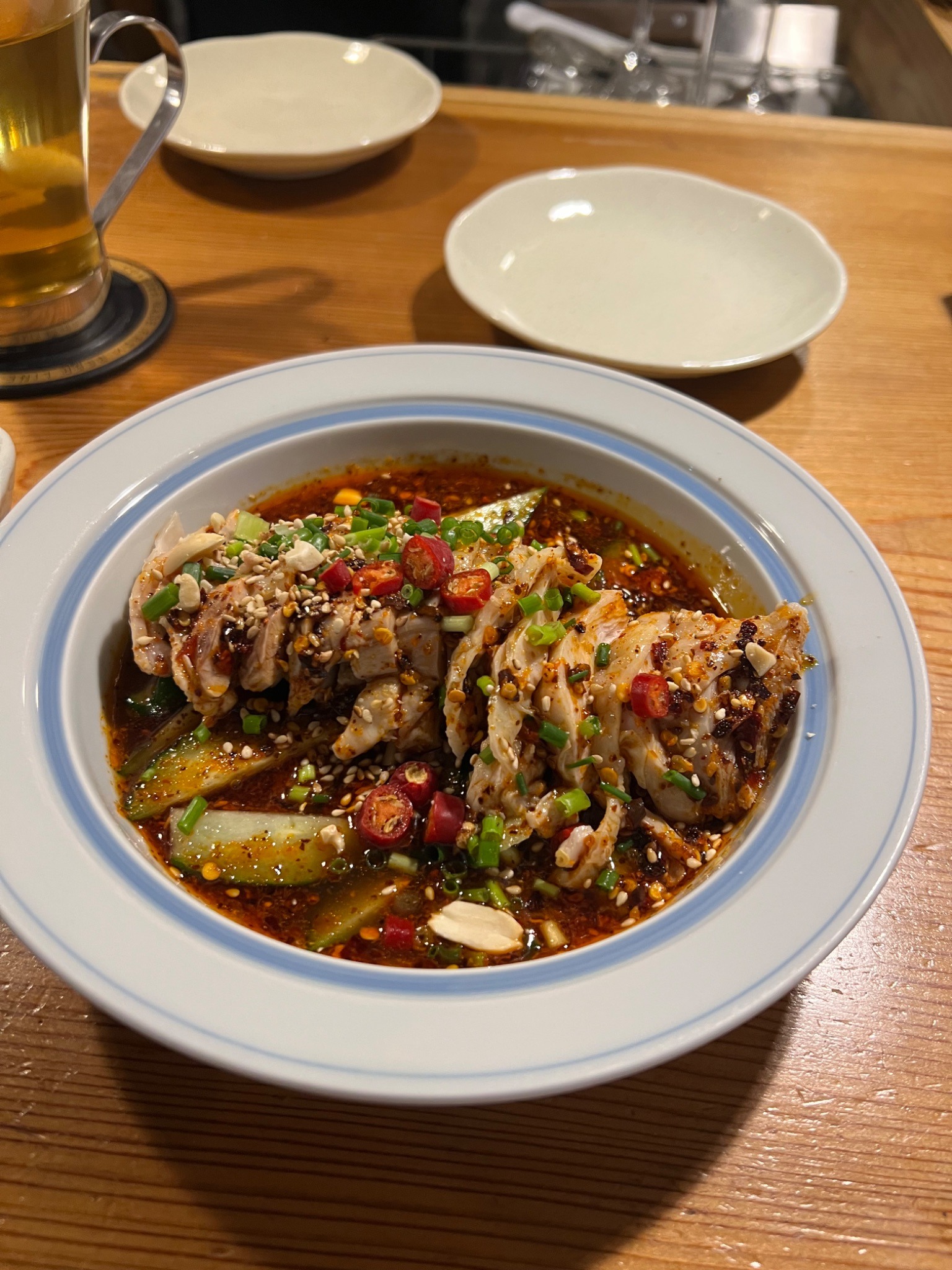
Chinese Bar Shala is a welcoming restaurant specialising in home-style Chinese dishes from Northeastern China and Sichuan. From spicy lamb to homemade dumplings and mapo tofu, the food is packed with flavour, but it's the warm hospitality that makes this place particularly special. This is where my quick solo dinner turned into an evening of unexpected conversations with the owners.