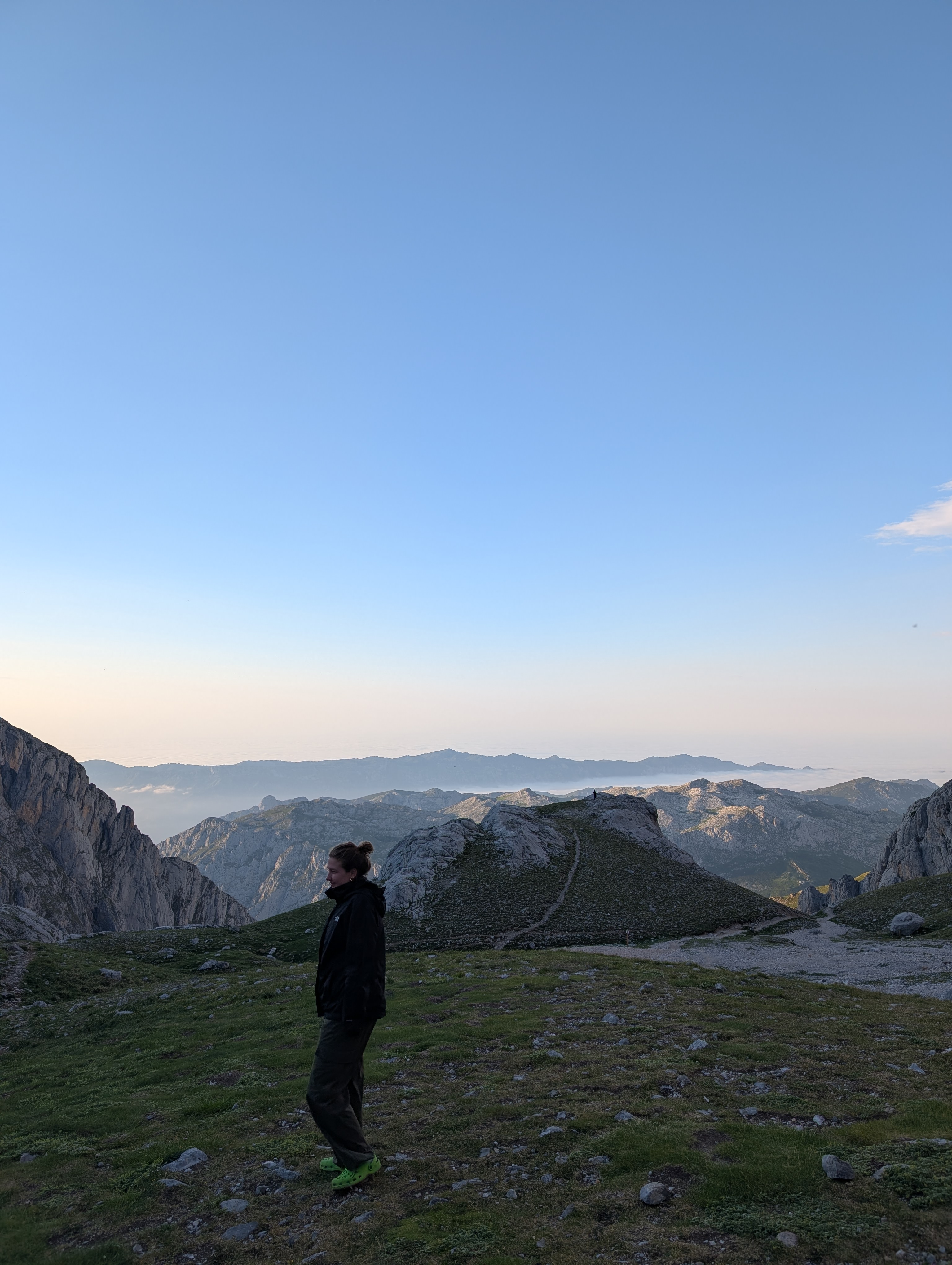
Solo hiking as a woman: lessons from the queen of the Japanese Alps
Anne Beckers hiked Mount Tsubakuro alone at dawn and shares what the Japanese Alps taught her about solo hiking as a woman.
NomadHer is happy to share a new series featuring NomadHers and their own travel stories through personal blog posts. All posts have been edited for grammar and clarity while making sure to retain the true voices and stories of our writers. We'd like to extend a special thank you to all of our writers and to our community!
by Anne Beckers
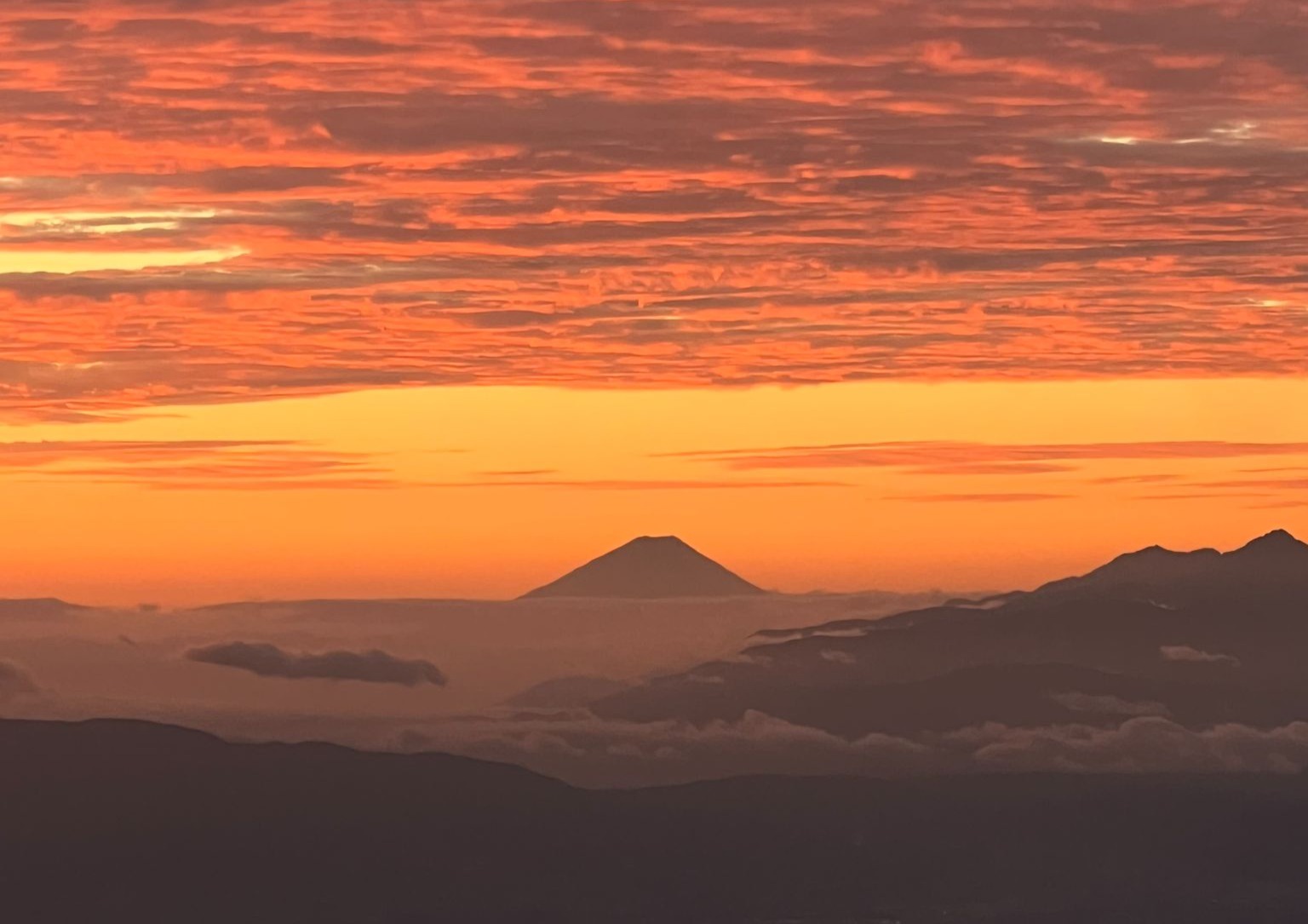
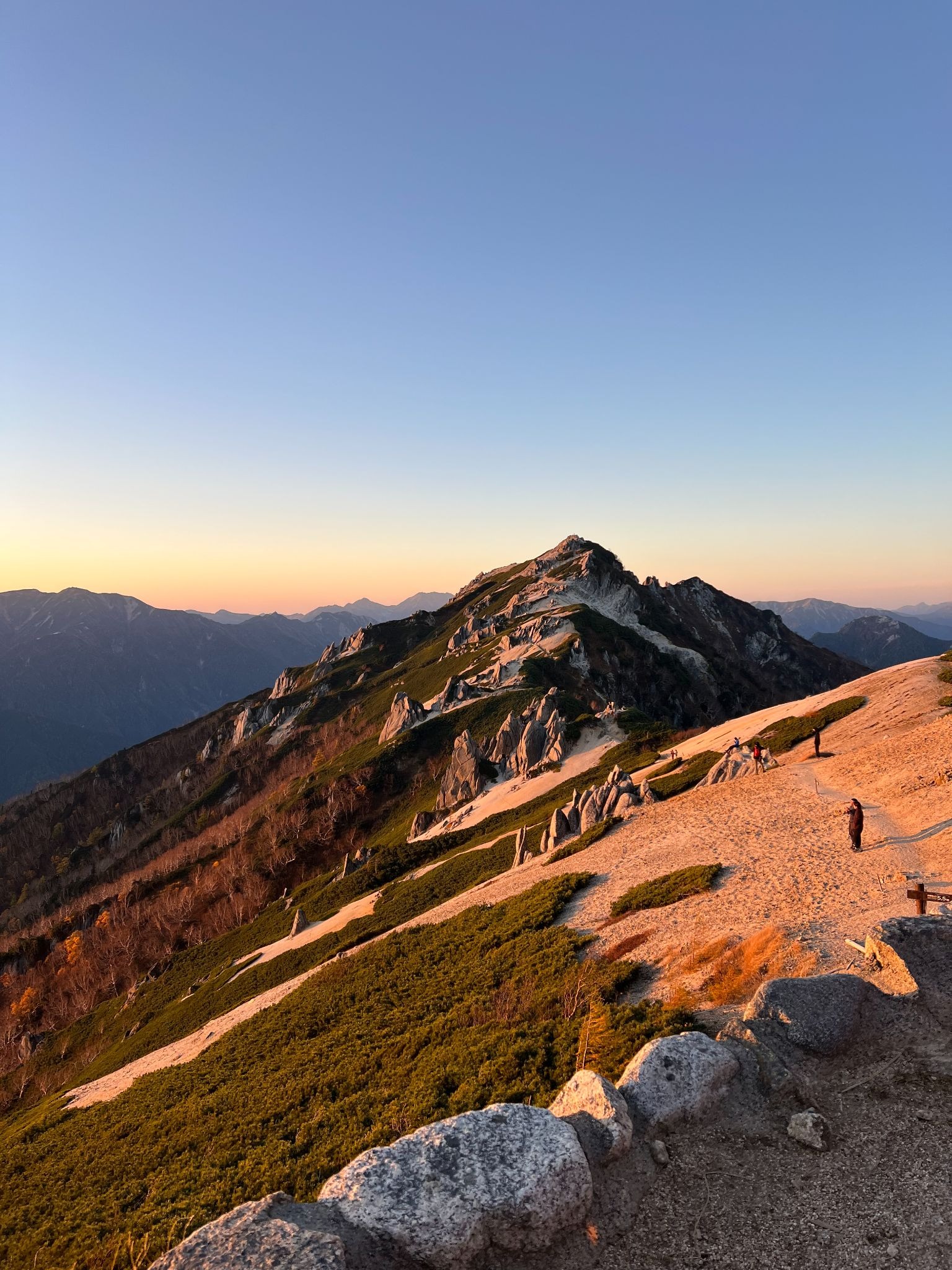
At 5 a.m., the wind on Mount Tsubakuro was strong enough to make standing still uncomfortable. It was around freezing, everyone outside the mountain hut was wrapped in layers and somewhere in the distance, just visible above the horizon, was Mount Fuji.
The sky had turned almost lava red. I had climbed roughly 1,300 metres the previous day to get here, carrying everything I needed on my back. I still had another 200 metres to go before reaching the actual summit, at 2,763 metres.
And I had done it alone.
Choosing a mountain you can comfortably hike alone
I had hiked long distances before, but usually with others. Earlier in my Japan trip, I had joined travellers from my hostel to climb Mount Nantai. Managing that challenging hike made me realise I could probably take on a similar one alone, as long as I chose the route carefully and prepared properly.
Solo hiking isn't simply regular hiking minus another person. If you're the only one making decisions, you need to know what you're getting yourself into.
Mount Tsubakuro, often called the Queen of the Japanese Alps, seemed like a good place to start. The route from Nakabusa Onsen is popular and well established, and there is a mountain hut near the summit where hikers can spend the night and get dinner and breakfast.
Before leaving, I checked the mountain forecast, researched the route and made sure I had the right clothing and equipment. I knew the elevation gain would be around 1,300 metres to the hut, but I also knew from previous hikes that this was within my ability.
It wasn't about convincing myself that nothing could happen. Mountains are unpredictable, however prepared you are. It was about reducing the risks I could control and knowing I could change my plans if necessary. If the weather turned, I could turn around. If something didn't feel right, reaching the summit wasn't more important than listening to that feeling.
That, to me, is an important distinction when talking about hiking alone. Telling someone to "just be brave" isn't particularly useful. Knowing your own limits, preparing properly and trusting yourself to make decisions is.
Luckily, on the morning I left, the conditions could hardly have been better.
1,300 metres up through the forest
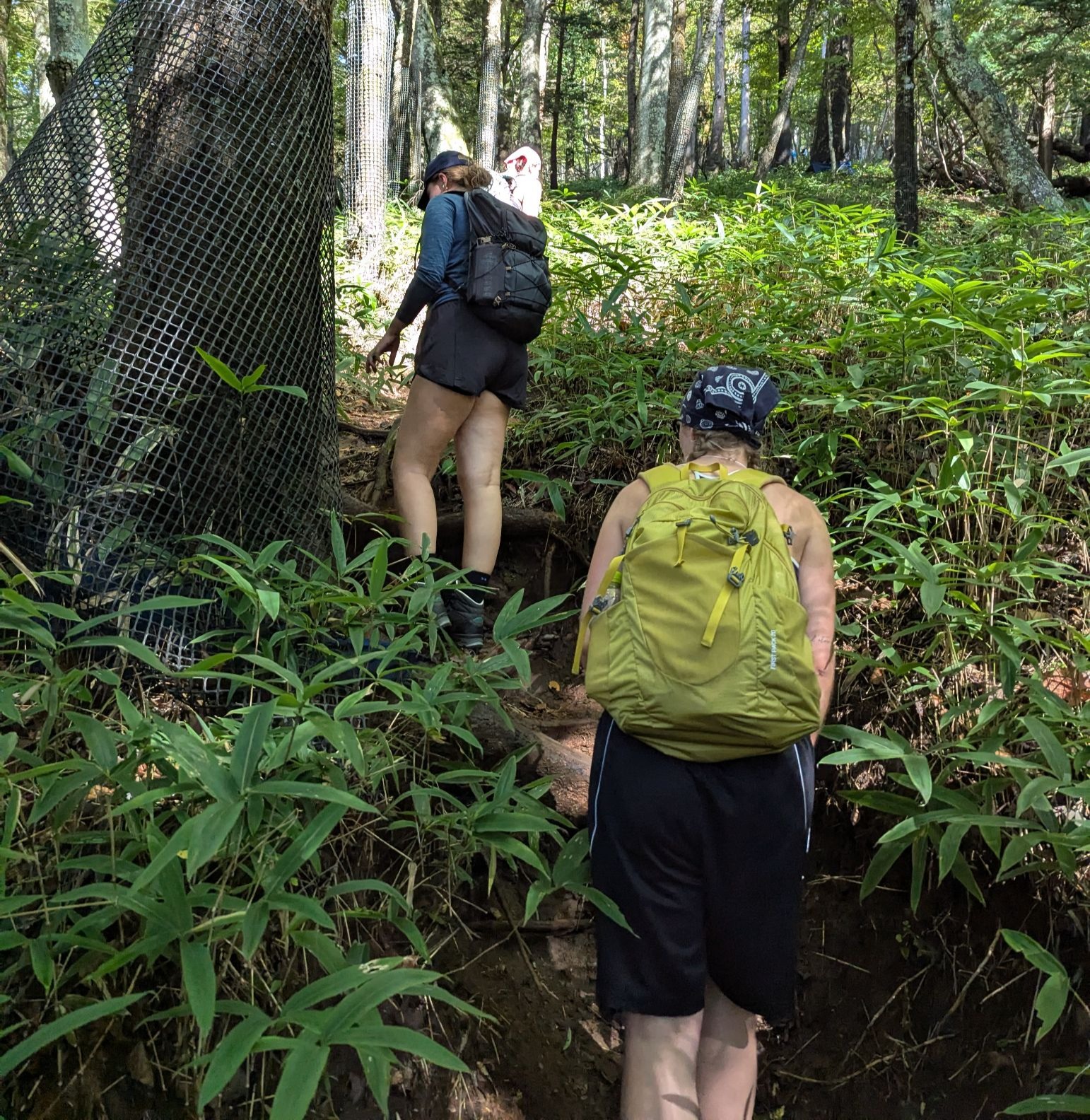
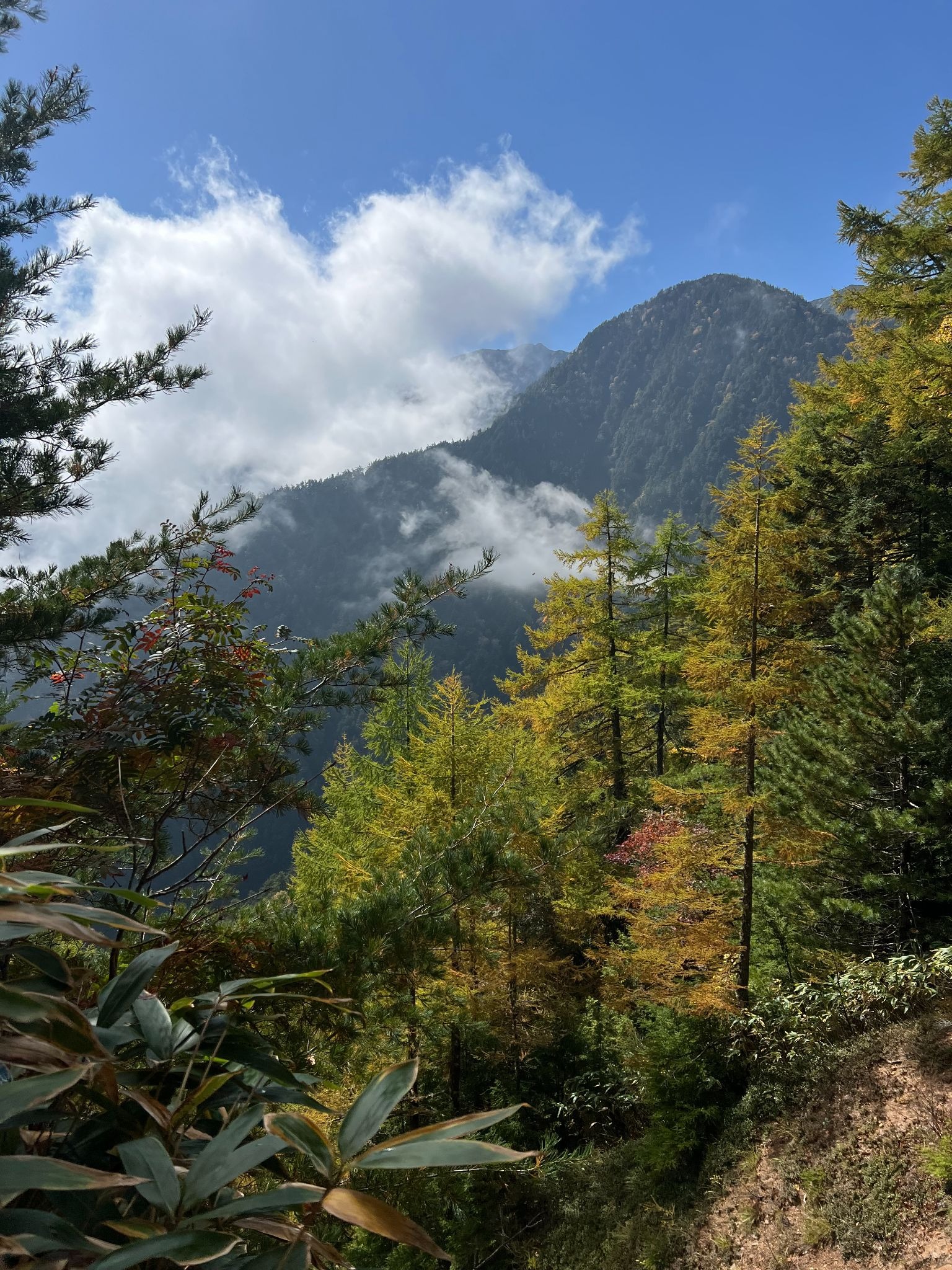
The first three-quarters of the route climbed steadily through forest. The autumn colours had already arrived, and every now and then the trees opened enough to reveal the surrounding peaks.
Despite the sunshine, the canopy kept most of the trail shaded. The temperature was almost perfect for walking. I quickly fell into a rhythm. The climb was hard, but manageable. I took short breaks, ate something, drank water and continued.
I also started recognising people. A group would overtake me while I stopped. Twenty minutes later, I would find them resting and pass them again. Eventually, the repeated encounters started earning little smiles and nods.
It was one of the first things I noticed about hiking alone: I could determine my own pace completely.
When you're hiking with someone, even a very good hiking partner, there is always a small amount of negotiation. Are we stopping? Are you tired? Am I walking too slowly? Do you want to keep going?
Alone, none of those questions existed. I stopped when I wanted to stop and kept walking when I felt good. If I wanted to stare through a gap in the trees for five minutes, nobody was waiting.
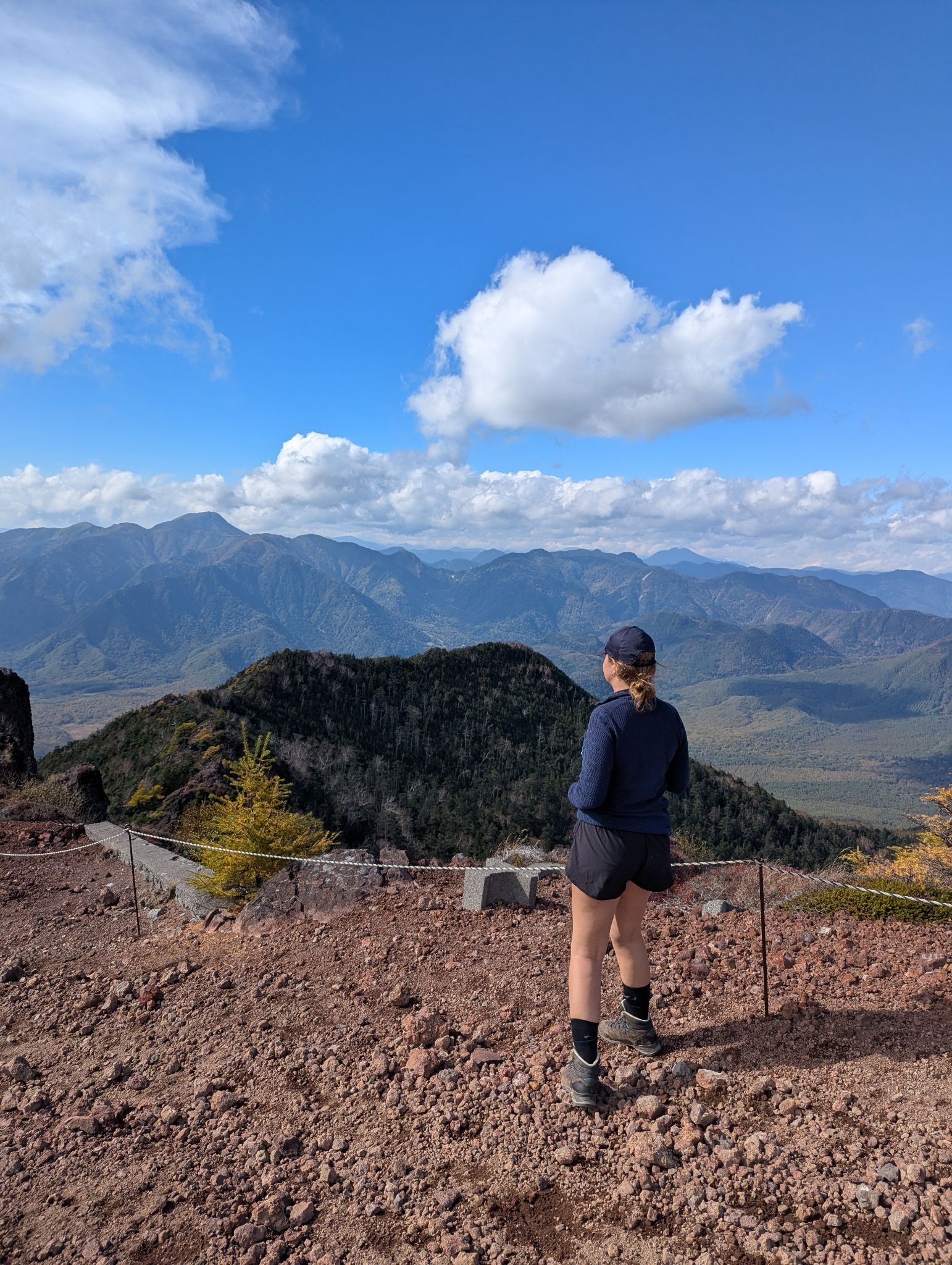
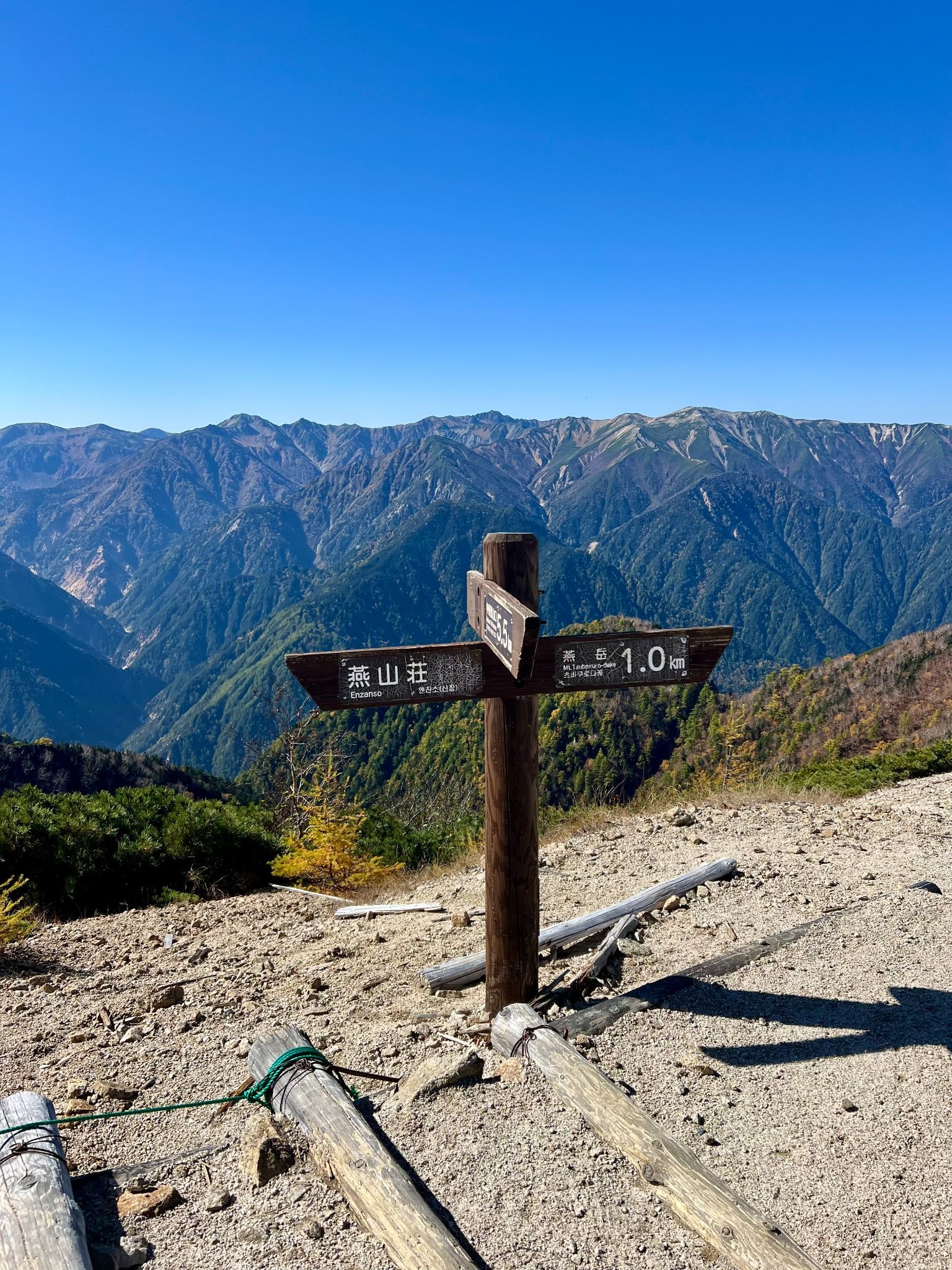
After several hours, the forest suddenly ended. In front of me were layers of mountains covered in orange and brown, interrupted by Mount Tsubakuro's distinctive white granite. The change was so abrupt that it felt as though I had walked into an entirely different landscape.
This was the moment I had come for.
Alone doesn't mean isolated
What surprised me most about the hike wasn't the solitude, but how social it became.
In Japanese cities, most of my interactions with locals had been brief and functional: ordering food, buying a train ticket, checking into accommodation. On the mountain, the dynamic was different.
The same hikers kept appearing along the route. Even without sharing a language, there was an easy recognition between us. We were all tired, all climbing the same steep trail and all stopping to admire the same views.
When I finally arrived near the top, a group of Japanese women quickly offered to take a photo of me. It felt almost like a quiet acknowledgement: We see you came here alone. Let us help you remember it.
Later, while I was sitting and looking across the mountains, a Japanese guy around my age came to sit beside me. He wanted to practise his English, so we started talking.
They were small interactions, but they showed me another side of travelling alone. When you're with someone, you're often naturally turned towards each other. When you're alone, you're turned towards the world. And the world often responds.
A night in the Japanese Alps
Once I reached the hut, unpacking wasn't particularly high on my list of priorities. The weather was still completely clear and the view stretched across the Japanese Alps, so I dropped my things and went back outside.
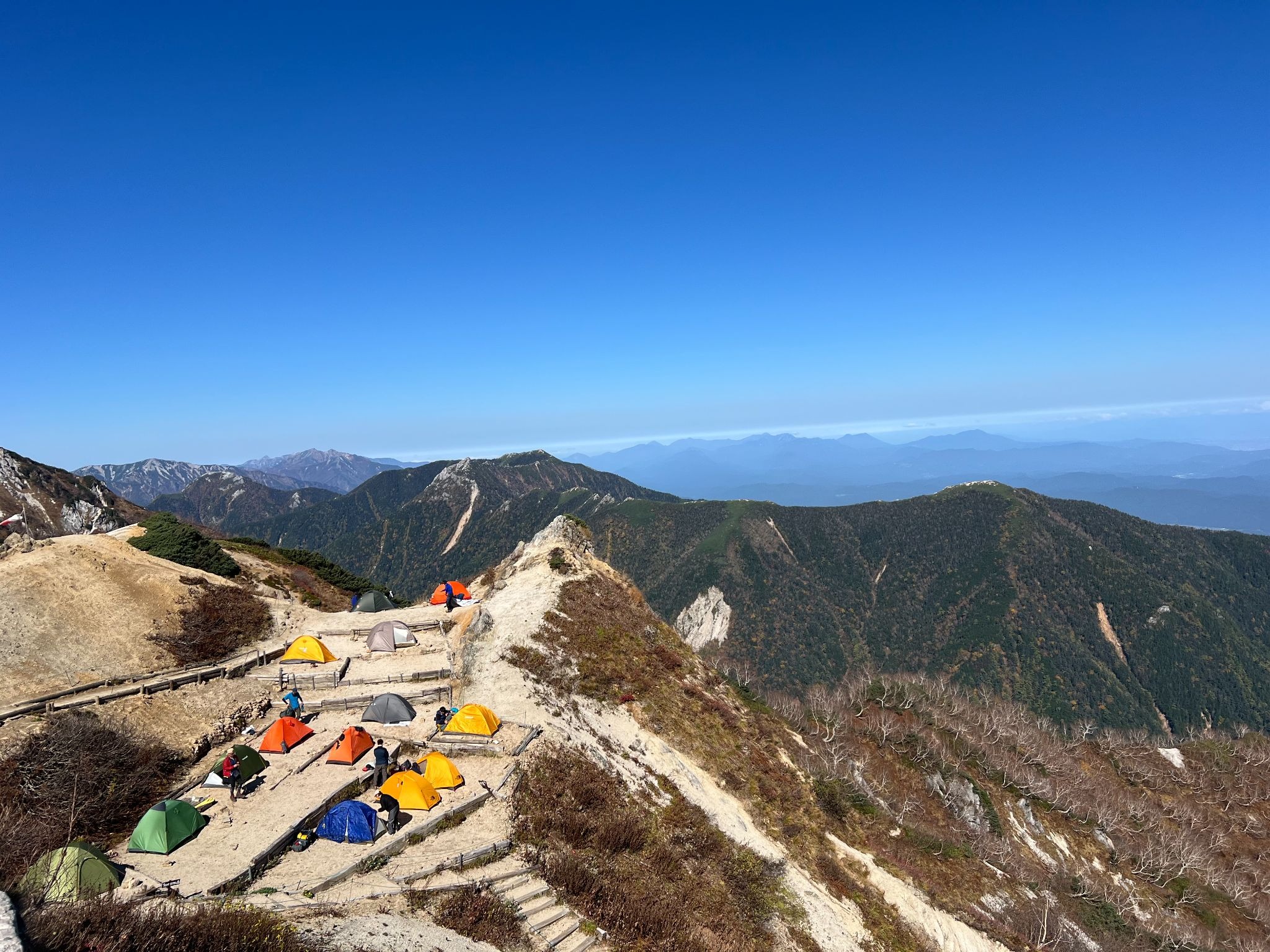
That evening we watched the sun disappear behind the mountains before the temperature dropped to around 5°C and pushed everyone indoors for dinner.
Sleeping at the hut was very organized but not very luxurious. There were no showers. My bed felt more like a plank, and the pillow seemed to be filled with rice. With everyone sleeping in rows, the whole place had something of a Japanese boarding-school atmosphere.
Then my alarm went off at 5 a.m. Outside, the sky was beginning to turn red. The wind was howling across the ridge and it was bitterly cold, but the mountains were completely visible. In the distance was the unmistakable outline of Mount Fuji.
For me, that sunrise was worth the entire climb.
What I took back down with me
I don't think everyone needs to climb a mountain alone. There are routes I wouldn't attempt solo, conditions in which I would turn around and plenty of hikes that are simply more fun with someone else.
But Mount Tsubakuro changed the way I thought about travelling alone.
We often postpone things because nobody is available to come with us. A destination stays on the list until a friend's schedule aligns with ours. A hike becomes something we'll do "one day". Sometimes there are good reasons for that. But sometimes we're simply used to thinking that certain experiences require company.
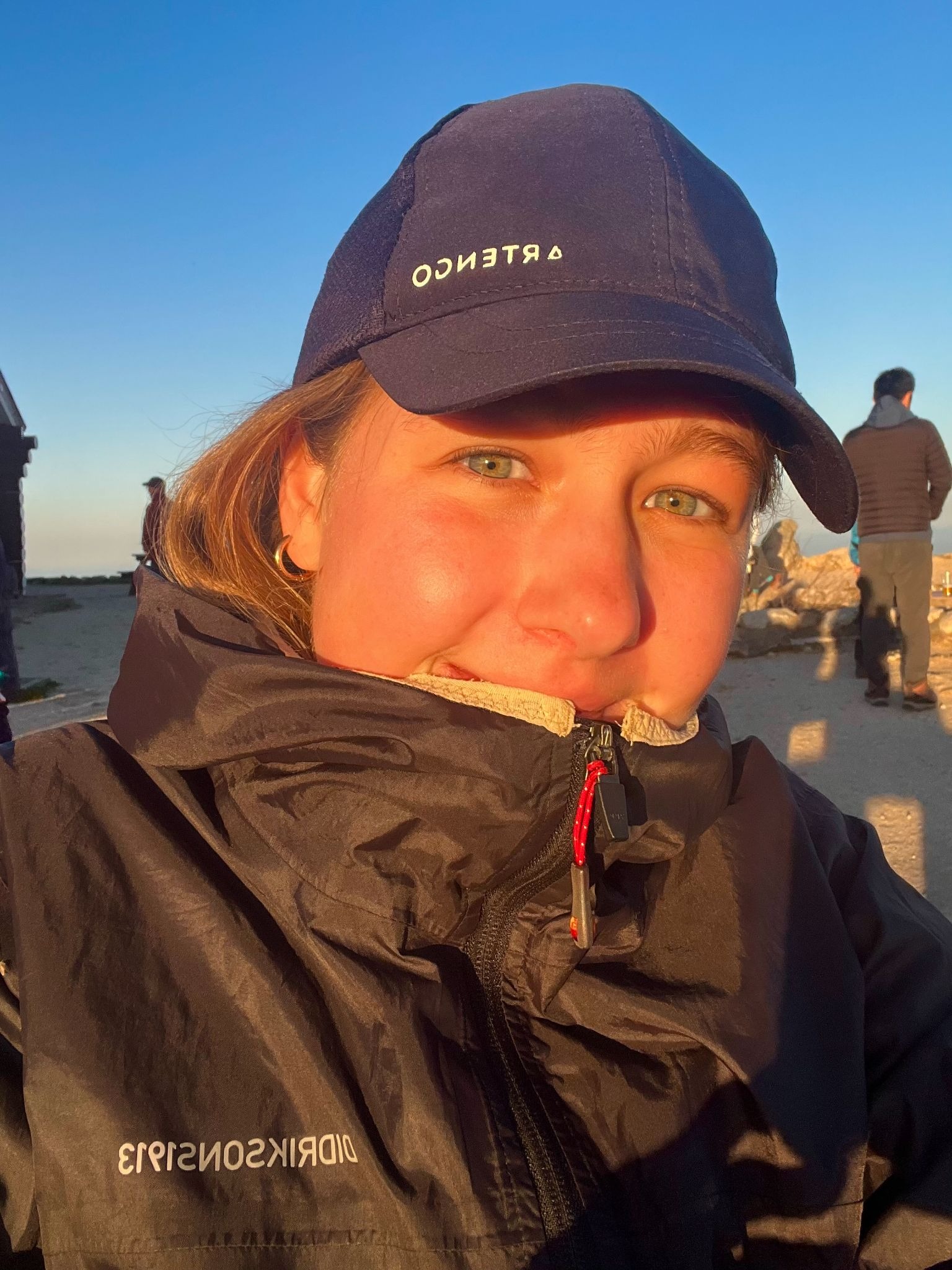
That morning, standing at 2,763 metres, I knew I had got myself there. I had researched the route, checked the conditions, climbed 1,300 metres, spent the night in the mountains and reached the summit the following morning. And far from feeling lonely, I had met more local people along the way than I had during many days in the city.
That is perhaps what I would tell any other woman considering her first solo hike:
- Don't choose a mountain because you feel you have something to prove.
- Choose one that matches your experience.
- Prepare properly.
- Give yourself permission to turn back if you need to.
Eventually, you’ll stand at a peak you weren't sure you could reach. You’ll look back down at the trail below and realize that just a day ago, you were standing at the bottom, wondering if you could do this alone.
Now, you know.
Going Solo in Oaxaca: Food, Culture & Women-Led Travel
A slow week of markets and mezcal, ending with a women-led Zapotec tour during Guelaguetza.
NomadHer is happy to share a new series featuring NomadHers and their own travel stories through personal blog posts. All posts have been edited for grammar and clarity while making sure to retain the true voices and stories of our writers. We'd like to extend a special thank you to all of our writers and to our community!
by Marteena Mendelssohn
Getting to Oaxaca
I was already in Cancun before heading to Oaxaca. I explored the magnificent ruins of Chichén Itzá, and stayed at the gorgeous Nomads Hostel and Rooftop Pool in the downtown area. It was beautiful, but HOT, and I was looking for some mountain relief. From downtown Cancun, I took the ADO bus to the airport which cost me about $150 pesos (compared to the 450-500 peso Uber ride). The flight from Cancun to Oaxaca was about $162 USD with Volaris, but I did purchase my ticket about two weeks before I left which could have made a slight difference in pricing. I then took the shuttle service from the airport to the city. The Oaxacan airport is relatively small, and there were two taxi stands that had colectivos, or shared shuttles. The driver took me about two blocks away from my hostel, which was called “Ginger Banana.” This ride cost another $150 pesos.
Eating my way in
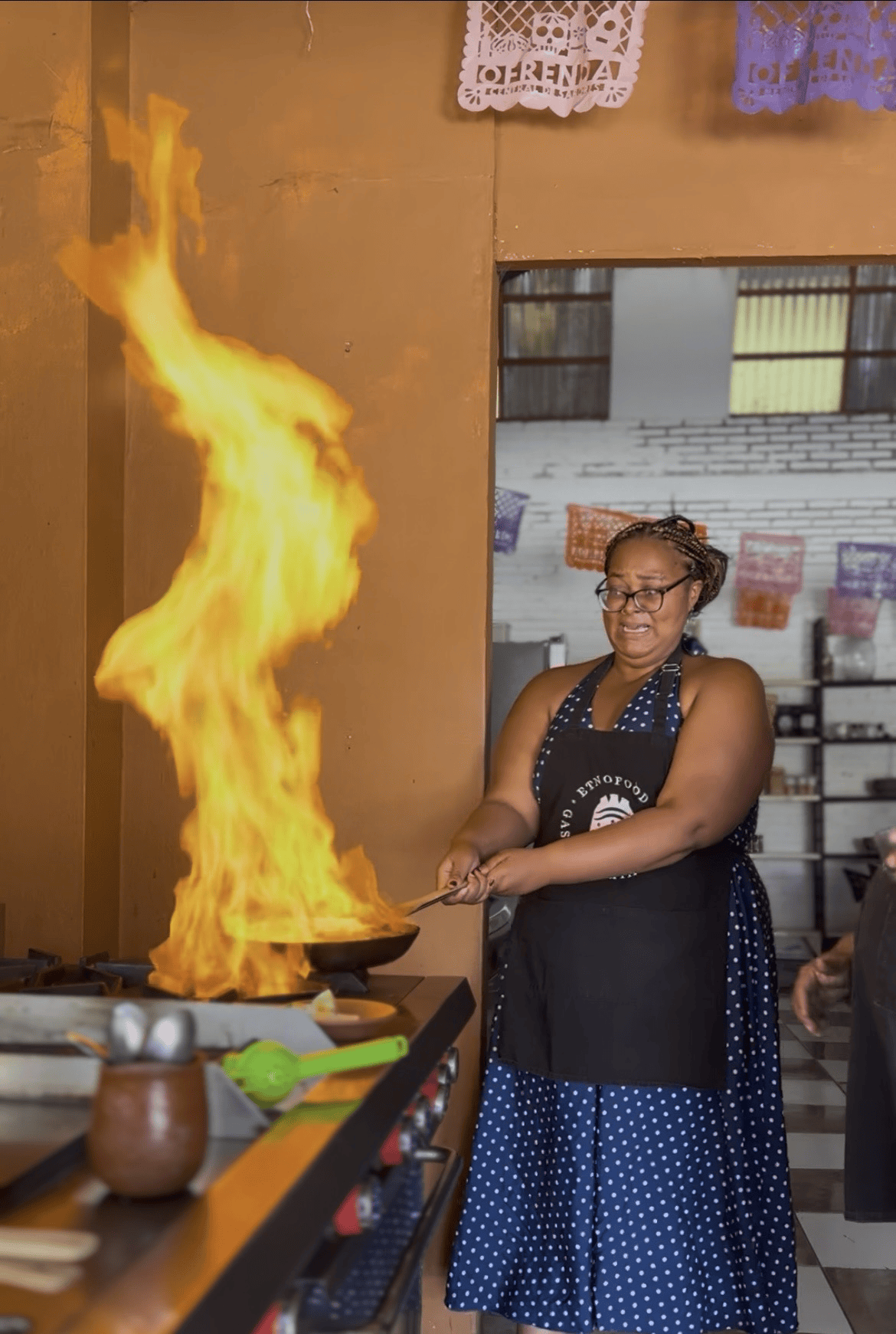
The first thing I did after my flight was grab a Tlayuda, or as some like to call it, a Mexican pizza, at Casa Taviche. Essentially, it’s a large tortilla with pork lard (asiento), beans, meat, and quesillo. To make it vegetarian friendly, just ask for no asiento! Speaking of eating sin carne, the next day I took a vegetarian cooking class with Ethnofood. Funnily enough, I was the only person who signed up for the class, but honestly, I had a great time! We made Memelitas, which is a traditional Oaxacan food typically made for breakfast or lunch. Making tortillas by hand and salsas in a molcajete, it made me realize just how much work goes into my favorite cuisine – and just how fun it can be making it!
The women I met along the way
After heading back to my hostel, I was able to meet a group of women who just finished up an artist residency and were now spending their last days exploring the city. There’s something both inspiring and exciting about seeing other women traveling on their own, doing things they love. I spoke with a woman from Chicago who worked in ceramics, and although we both spoke English, we chose to speak Spanish with one another. There was a French girl who drew sketches who I gossiped with about our love lives, and then Jen, an Australian woman who spent the past 25 years dedicating her life to teaching water sports and has now decided to turn art into her full-time career. While I didn’t meet any NomadHers on this trip, I was able to see just how far women can go – no matter where they come from.
Finding Zapotec Travel
I spent more than a few evenings scrolling through Instagram, searching for the best things to do in the city. Eventually, a woman named Lily appeared on my feed through Zapotec Travel. It’s an agency that centers their tours around indigenous women and designs their itinerary to support local communities while also experiencing the Zapotec culture. Before coming to Central America, I didn’t think there were a large native community left, but I was very wrong. In Oaxaca alone, there are many different communities:
- Mixtec
- Mazatec
- Chinantec
- Mixe
- Chatino
- Triqui
- Huave
- Zapotec
- Zoque
Each with its own distinct culture and language, ready to be discovered.
Guelaguetza: the tour
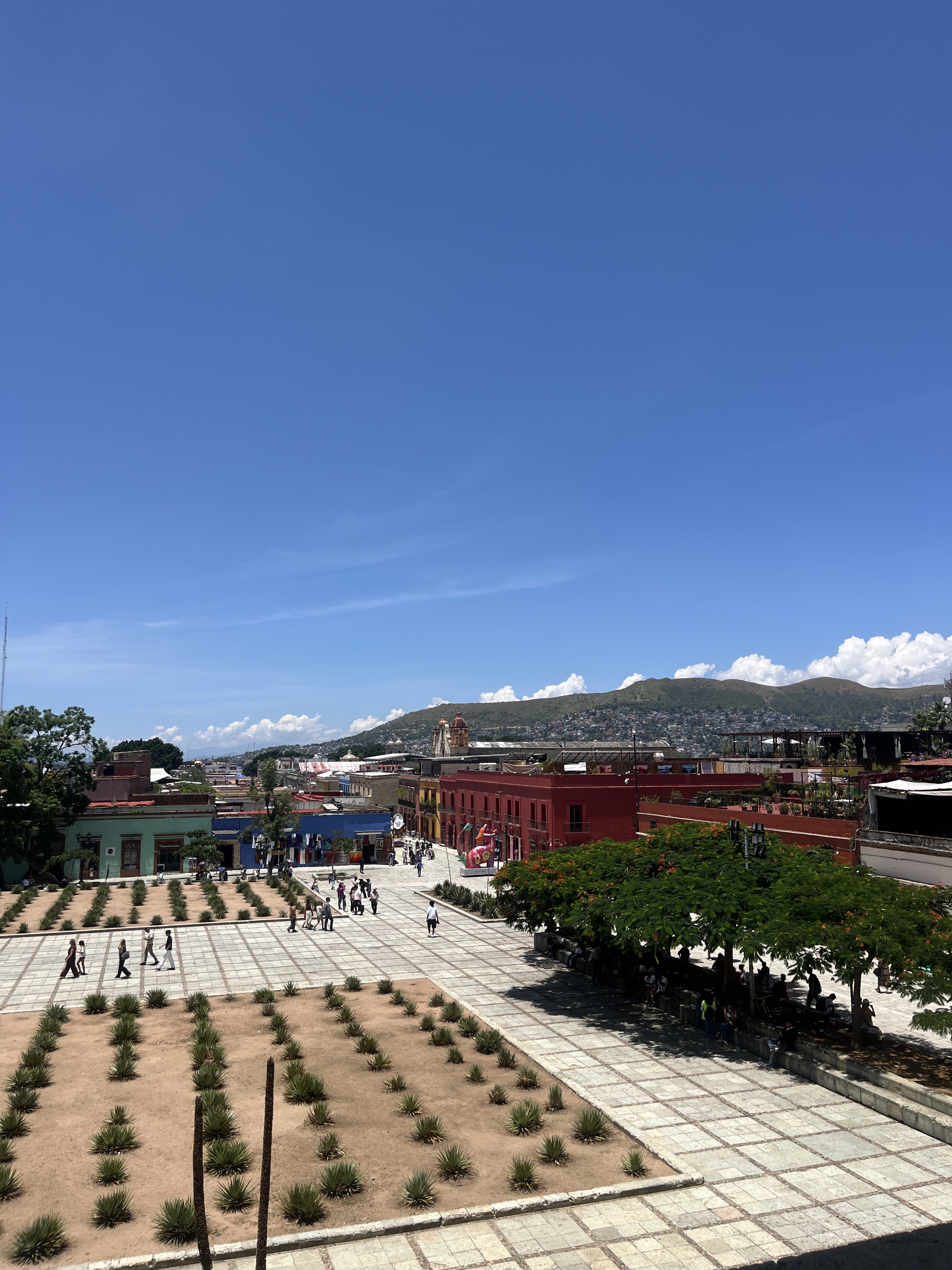
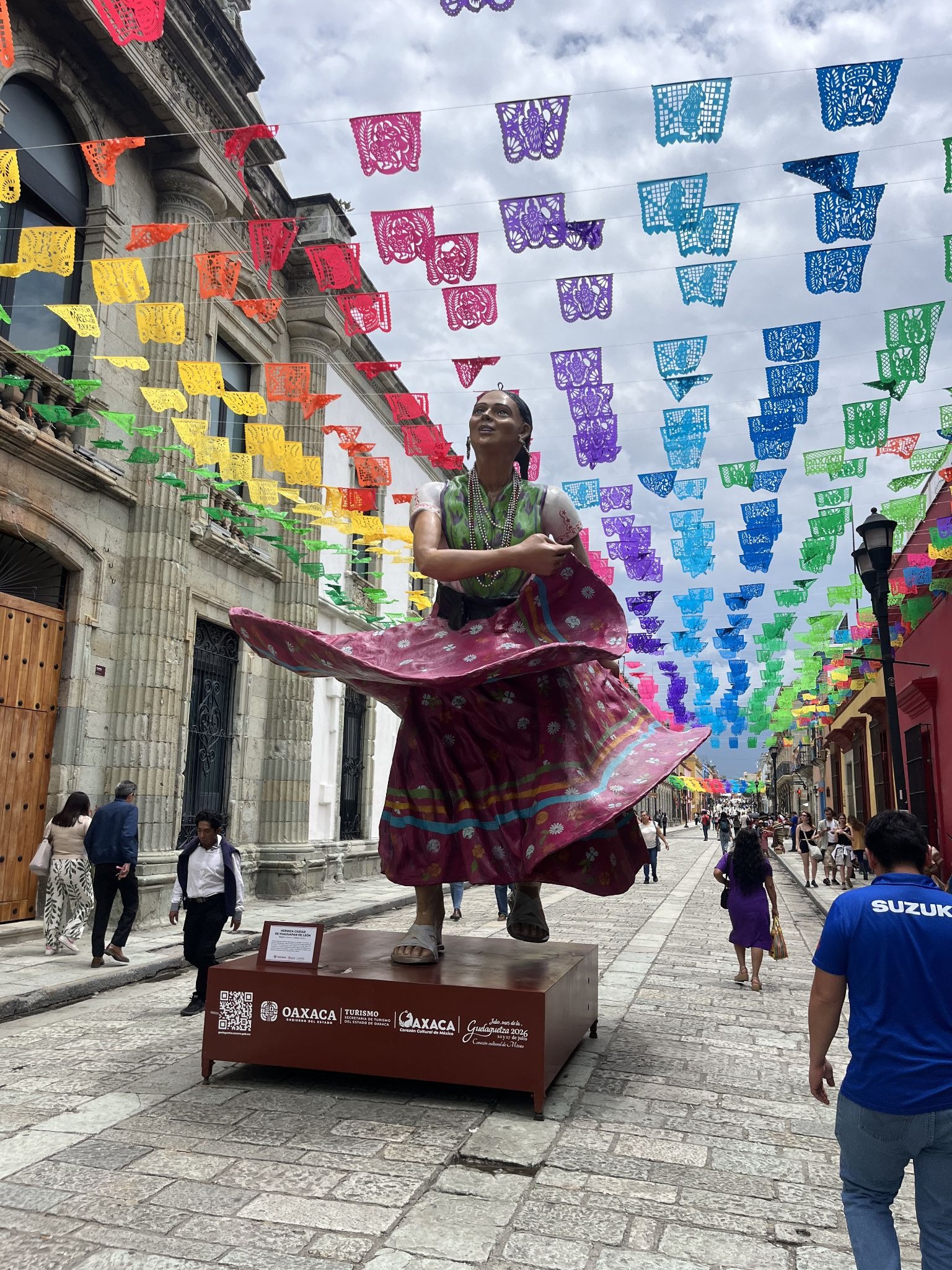
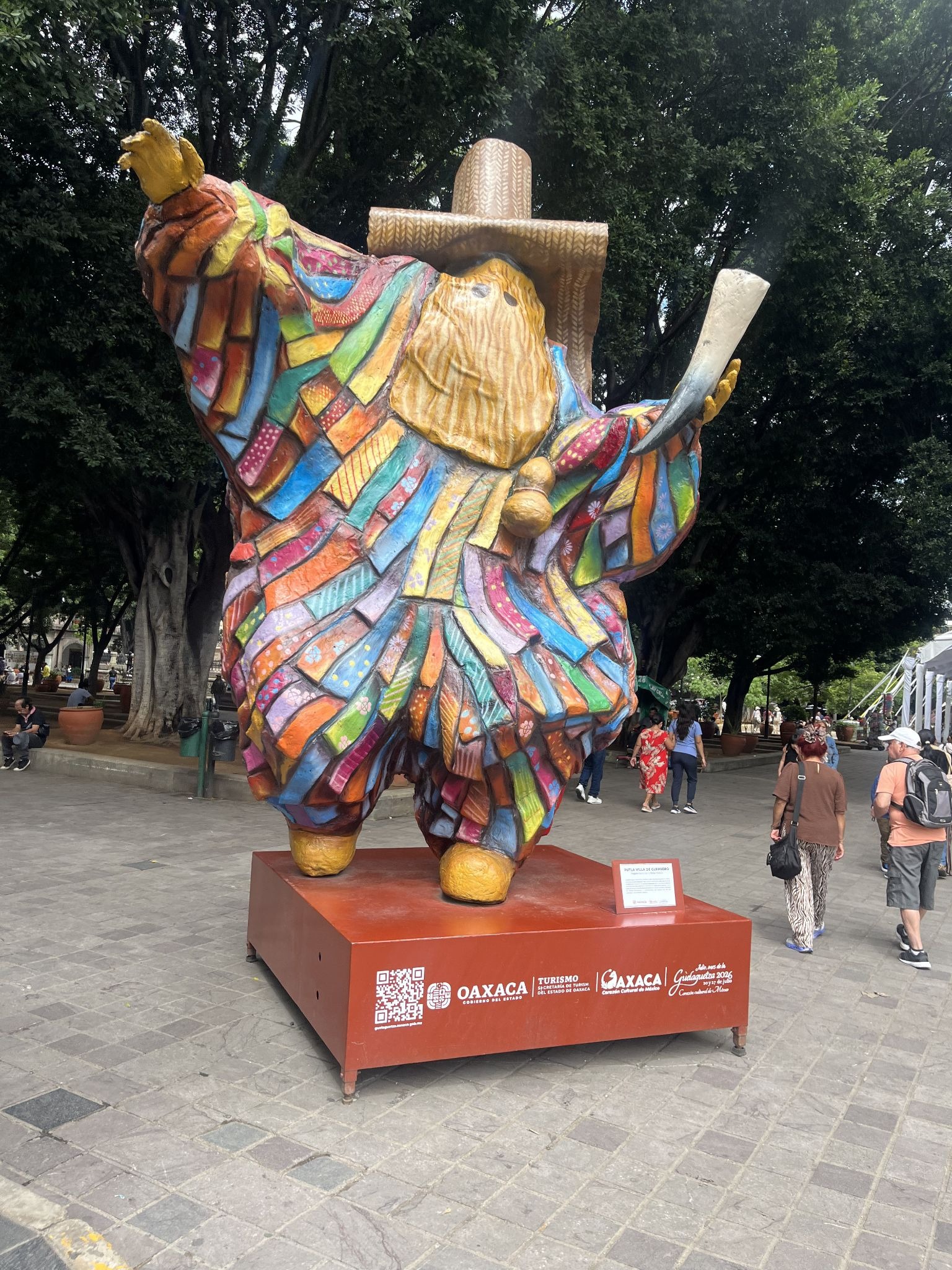
I came to Oaxaca during the Guelaguetza festival season. Translated from Zapotec, Guelaguetza means reciprocity. The festival is about community and sharing dances, food, handicrafts, and culture.
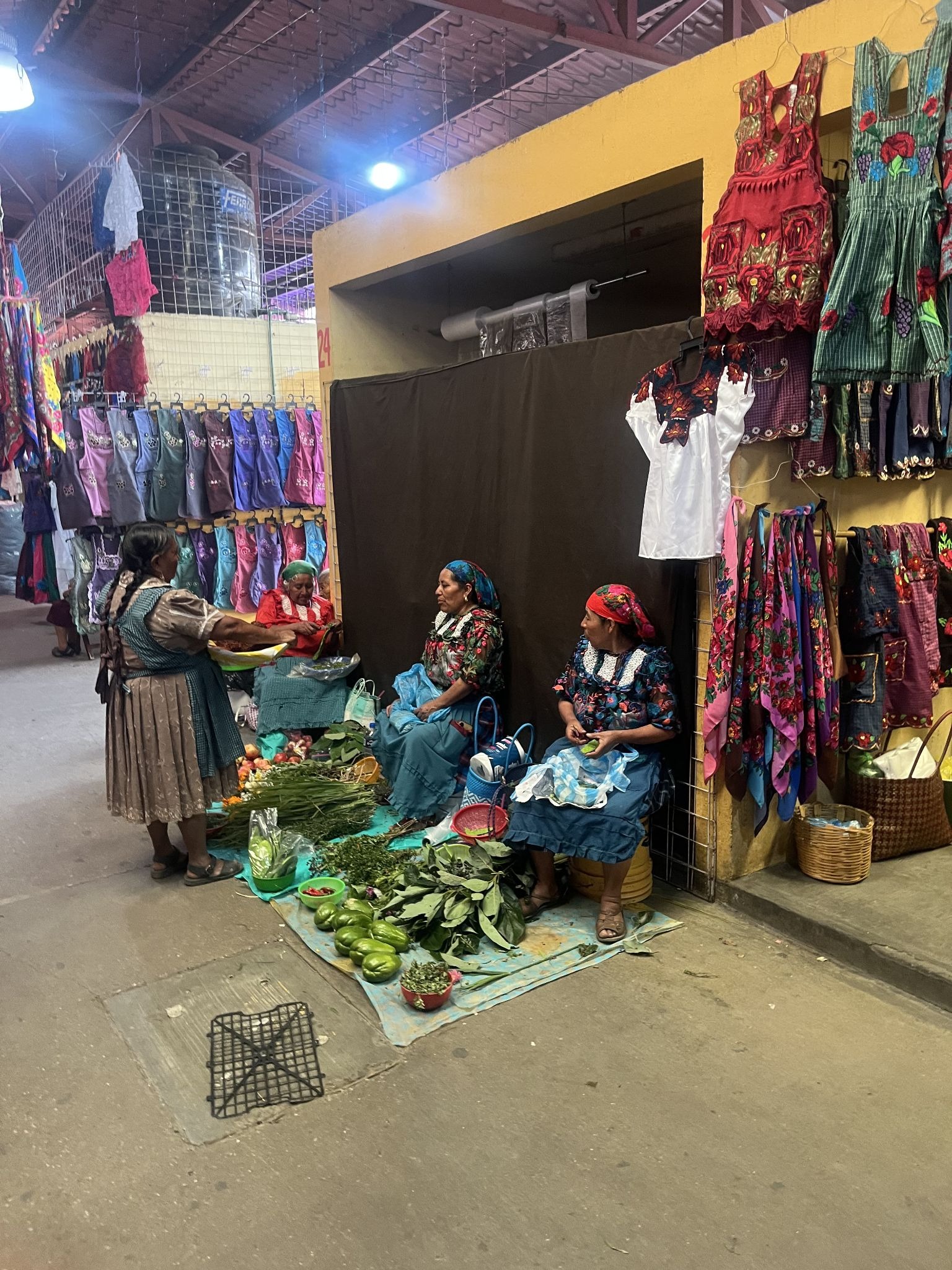
Our Guelaguetza tour started at the Tlacolula market, about 45 minutes from Oaxaca city. Festive colors spilled all across the tent covered vendors, from woven textiles and embroidered clothing to piles of bright red chilies, fresh fruit, and handcrafted goods, while gold earrings caught the sunlight as vendors moved through the crowd. The smoky aroma of meat sizzling over open grills mingled with the earthy scent of warm tortillas, creating a scene that was truly a feast for the senses. During the tour, we sat and ate traditional food inside the market. Some people tried sheep and goat while I indulged in a squash flower empanada. After eating, we had some free time to roam the market where I purchased a couple bags of ripe fruit and bought a cup of sweet mamey and coconut ice cream.
Mitla and the dances
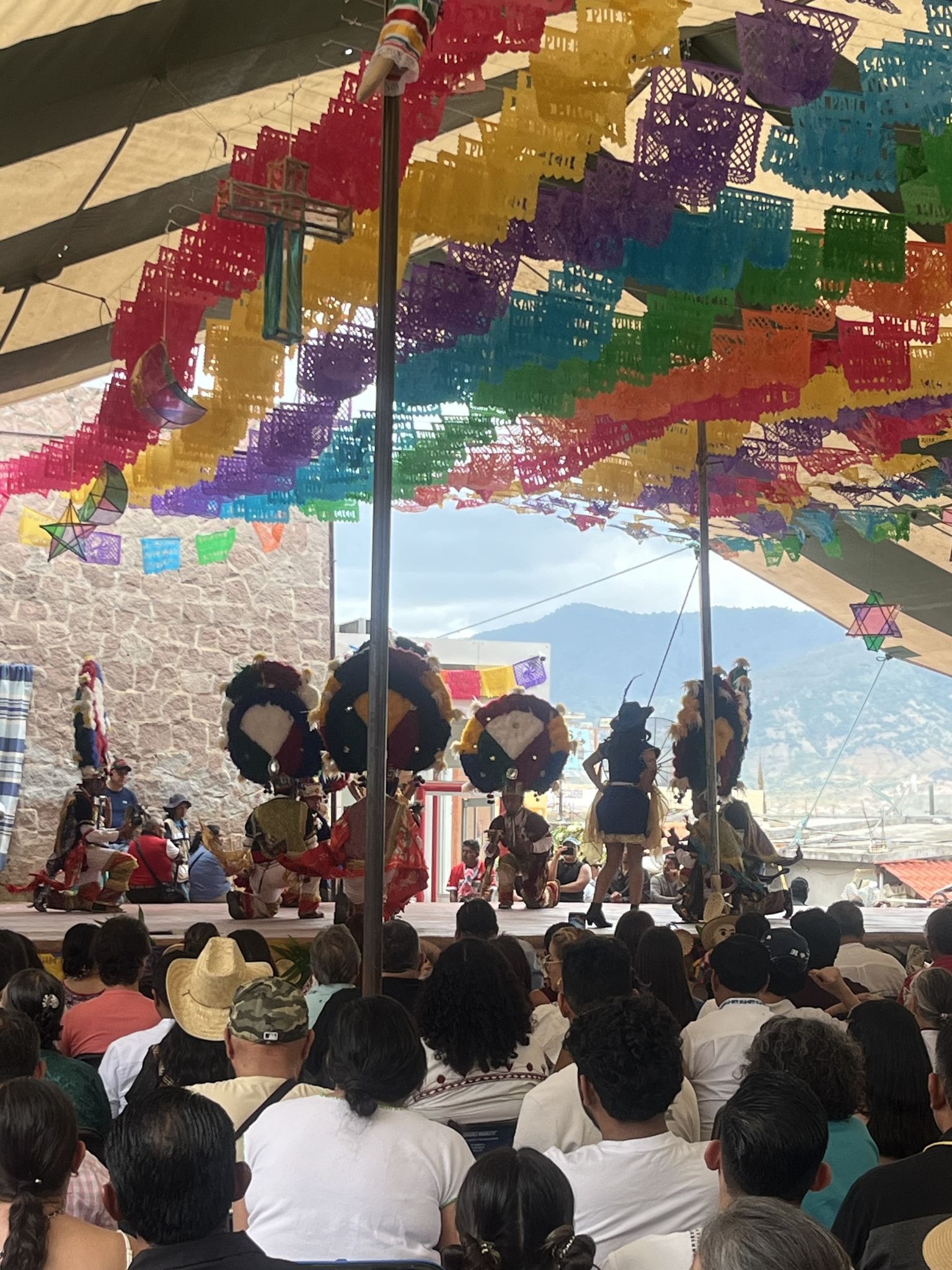
Once we hopped back on the bus, we drove about 20 minutes to a town called Mitla, where a stage was erected and nine different communities were able to demonstrate their traditional dances. Some felt like a ballet, with docile and graceful movements, while others were fast, containing props and flashy skirts. I loved seeing the differences of each dance and their costumes as it really showed just how unique each community really was.
The women-owned mezcal distillery
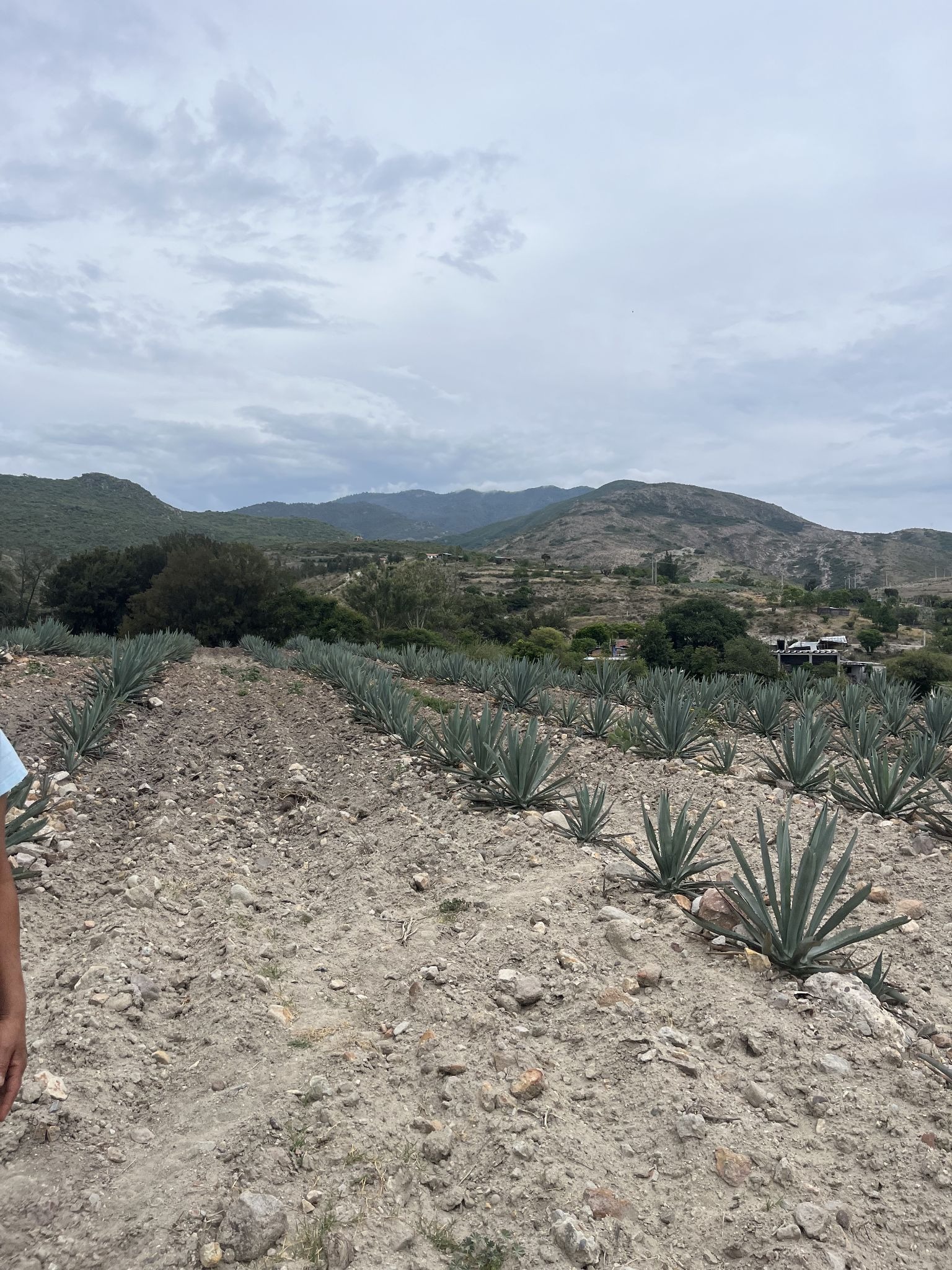
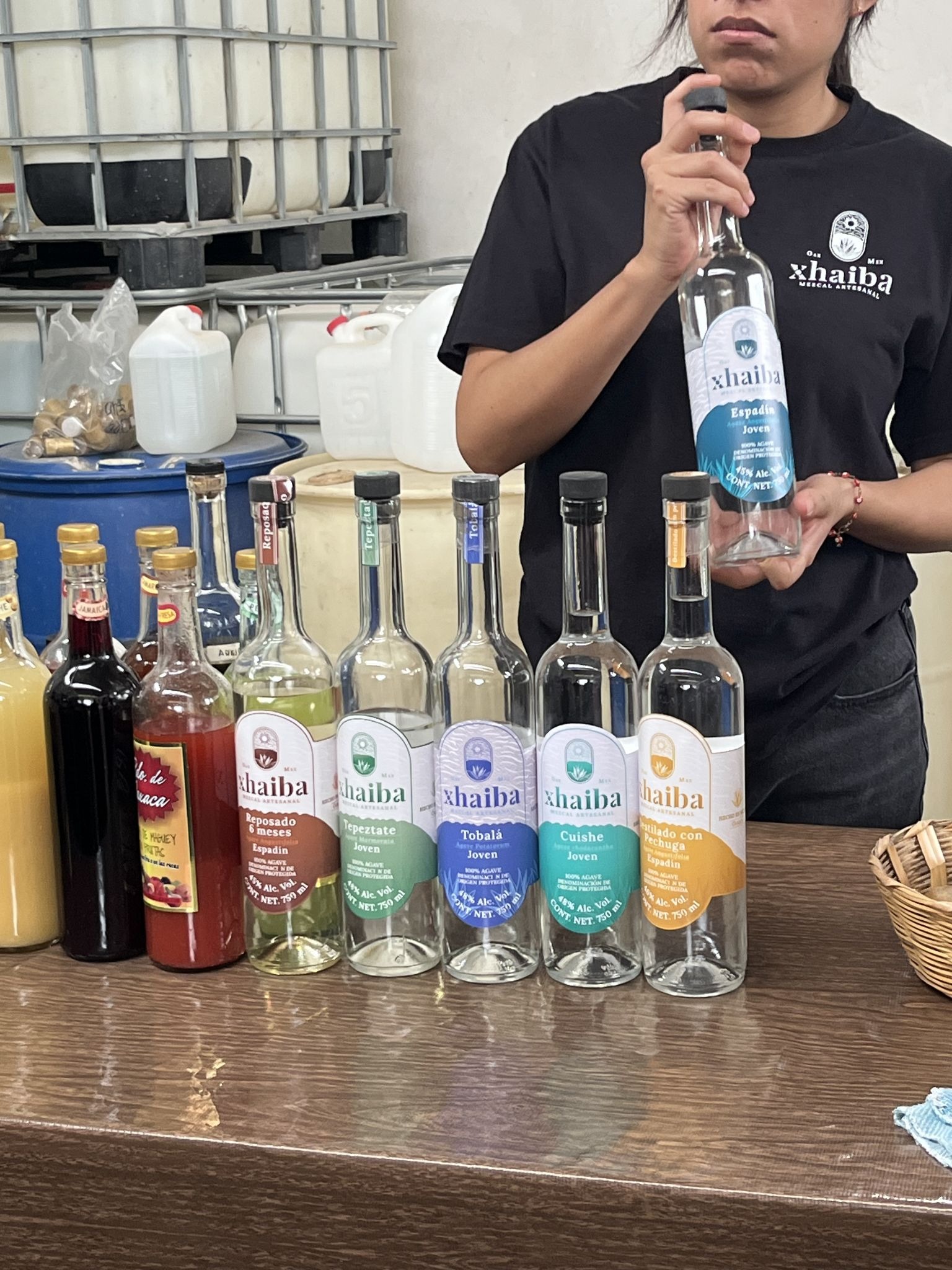
After Mitla, we drove just a few minutes to a women-owned mezcal distillery. Margarita Hernandez had grown up on the mezcal farm. She and her daughter, Fatima, guided us around the farm, explaining the subtle differences between each agave plant, learning about the distilling process, and trying out their seven mezcals from their brand “Xhaiba,” meaning sky.
I had tried Mezcal before, and personally, it is just too strong for my taste. Out of the seven, I really enjoyed the “Tobalá”. For me, it was amazing to see a woman at the forefront of a mezcal brand. It was clear Margarita and Fatima took pride in their work and I was happy to celebrate the passion they’ve poured into building it.
The drive back
The day ended watching the valley pass from the window of the bus, with the rolling hills and small villages stretching across the landscape in the fading afternoon light. The other participants of the tour and I chatted about what else we would do in Mexico. Some, like me, were headed back to the city, while others were planning trips to the beach or to the other side of the coast. As we drove through the valley, I looked forward to the days ahead, knowing there was still so much more to see.
All in all, my time in Oaxaca taught me that some of the most rewarding parts of travel come from the women you meet along the way. For any woman who feels a little nervous about traveling through the Americas alone, I could not recommend a better place to begin than the beautiful city of Oaxaca.
Oaxaca Must-Dos
⭐️ Mercado 20 de Noviembre
⭐️ Mercado de La Merced
⭐️ A cooking class!
⭐️ Hierve el Agua waterfalls
⭐️ The Museum of Cultures
⭐️ Jardín Etnobiológico de Oaxaca (The Ethnobiological Garden)
⭐️ Libreria Grañen- Porrua - Cute postcards
⭐️ La Cosecha - Food court and live music
⭐️Häxan Gothic Bar - Horror movie nights and alternative music
Oaxaca Must-Eats
🍽️ Tlayudas
🍽️ Tejate - sweet drink made of cacao
🍽️ Tamales (my favorite!!!)
🍽️ Memelas
🍽️ Mole (there are seven different kinds)
🍽️ Chapulines - roasted grasshoppers
🍽️ Quesillo
🍽️ Sal de Gusano - Earthworm salt for your mezcal
🍽️ Huitlacoche tacos or corn fungus (I promise it’s delicious)

Why Mahe from France Keeps Joining NomadHer Traveler Camps
Mahe, from France, joined almost every NomadHer camp during her year in Korea. She explains why she kept coming back.
During her one-year stay in Korea, Mahe joined almost every single NomadHer camp. Originally from France, she had always enjoyed traveling solo.
She came to Korea on a working holiday visa and lived here for about a year, before recently returning home as her visa expired.
Mahe first discovered NomadHer through an Instagram ad. She joined the NomadHer app around 2023 and later attended her very first event—the 2024 NomadHer Festival in Seoul.
After that first experience, she was hooked.
She started joining other major events like the Busan Surfing Camp and the Jeju Camp, traveling across Korea to be part of the community.
At first, she came alone, but after meeting people at the camps, she continued to attend events together with friends she met there.
“Listening to people from different countries, with different jobs, education, and backgrounds is so fascinating and inspiring.”
When we asked why she was such an active member of NomadHer, Mahe explained that the variety of people she met was what made the platform so special.
In daily life, most people spend time with others who share similar backgrounds and environments. But at NomadHer, she could hear about completely different ways of thinking, traveling, and living.
This gave her new perspectives and even inspiration for her own life.
She told us that through NomadHer, she almost became “addicted” to discovering new outlooks, lifestyles, and approaches to travel.

It’s even more appealing because I can use it comfortably and safely in everyday life, not just on special occasions.
What makes NomadHer even more special for Mahe is that it’s not only about big events or camps. Even in everyday life, she actively used the app to meet people. For example, on December 31st, she celebrated New Year’s Eve with six or seven NomadHer friends in Seoul—dining together and watching the bell-ringing ceremony at Bosingak.
Because most of the people she met through NomadHer had extensive travel experience, she said the process of sharing stories and exchanging values felt meaningful and safe. To her, NomadHer wasn’t just an event platform, but a trusted community where she could meet great people and share her thoughts freely.
Mahe also shared ideas for how NomadHer could expand into everyday experiences. For example, helping foreigners who are new to Korea join simple daily activities like going to a sauna or visiting a local market—situations that might otherwise feel intimidating or confusing. She believes these small, everyday moments could make NomadHer even more useful!

NomadHer is a very safe and well-organized platform.
Currently, the NomadHer app allows members to find travel buddies, join camps and programs, and, like Mahe, share everyday experiences together.
Whether it’s a simple coffee meetup, a day trip near Seoul, or celebrating special days like Christmas or New Year’s, the app connects women travelers to each other in meaningful ways.

Mahe emphasized how much she valued being able to meet locals as well as other foreigners.
While expats can always hang out among themselves, NomadHer gave her a chance to meet local women and experience authentic culture through those interactions.
“NomadHer is a very safe and well-organized platform for me. Just try it!”
This was Mahe’s message to anyone hesitating to try NomadHer. She encouraged people to simply give it a chance, because without trying, you’ll never know how much value it can bring.
She reassured us that, based on her experience, the app is safe: all the people she met were kind, the events were well-structured, and the opportunities to meet women travelers from around the world were priceless.

In Her Words: Lydia's NomadHer Journey
Lydia Schultz, a Chinese adoptee from Chicago, talks about her travels and what being a NomadHer means to her.
I spoke to Lydia Schultz, a member of the NomadHer community, about her travels, experiences, and the significance of being a NomadHer. She is a Chinese adoptee, who grew up in the suburbs of Chicago, USA. She always had a strong urge to travel from a young age, and an “adventurous spirit and insatiable curiosity about the world”. She never really travelled beyond just a few states within the USA, until she was 19 years old. Once her parents allowed her to finally travel on her own, there was no holding her back, she was off! Now, at just 22 years old, she has travelled to over a dozen countries solo. She feels the most fulfilling part of life is to travel, and recognises her privilege to be able to get out there and experience the world for herself.
“There is nothing else that connects me so profoundly to other humans and their cultures, our beautiful planet Earth, and to myself.”

What does being a “NomadHer” mean to you?
Being part of the platform, which is dedicated to (solo) female travellers, has taught her that solo travel doesn’t have to mean you are completely on your own.
“Making friends with strangers is often one of the benefits of solo travel.”
Having met up with a few women from the NomadHer app, in various destinations, she has experienced what it's like to be a member of our community.
“It’s a truly beautiful community of good-vibrational women with a shared love for travel.”
She thinks NomadHer is a great resource for women who are brave enough to travel alone, despite the stigma associated with doing so.
How was your first time travelling alone?
Her first official solo trip was to Washington D.C. and she chose this destination as it was more “tame” than others - for her parents’ sake. However, her first international solo trip was to Seoul, South Korea. During this trip, she stayed in hostels so that she could befriend other travellers. From this moment she discovered her love for solo travel, and then wanted to do it even more.
What’s one moment from your travels that left a lasting impression?
As an introvert, she often finds herself doing things alone. While she understands that this is important, she also recognises the benefits of going outside her comfort zone. This means talking with strangers and being open to new connections along the way.
“Time and time again, I am reminded that it is the people you meet during your travels that leave the greatest impact upon your memories of a place.”
When reflecting on a trip, it’s the human moments that she remembers the most - whether that’s an impromptu encounter with a local, or a deeper bond with a fellow traveller.

How has travel shaped you as a person, and your individual purpose?
She says that you have to really get out there and discover the world for yourself to understand how travel can change you and your perspectives. It is difficult for her to imagine who she would be without her unique and multifaceted travel experiences.
“Travelling has shown me different ways to live, invited me to tap deeper into my intuition, and taught me to trust life more. More than anything I’ve learnt that the world is more kind and beautiful than what you see on screens.”
What is a destination which you feel the strongest connection to?
“There is nowhere else in the world I have felt more at peace than in Hawaii. The energy one feels on the Hawaiian islands is a kind of magical serenity that I have yet to find elsewhere in the world."
Unfortunately, Hawaii does face challenges with over-tourism. It tries to promote the ‘Pono Pledge’, which was created to encourage responsible tourism to the islands. It makes travellers pledge to be more righteous when visiting - including things like admiring wildlife from afar, and not endangering oneself or others.
Lydia understands that this must be considered, and if she plans to visit Hawaii again, she says she will do so as a worker or volunteer, in order to help contribute to the local economy.
In Hawaii, there are various initiatives where tourists can play a part in protecting and caring for the lands and the people. They are trying to protect Hawaii's natural and cultural capital while enabling a more in-depth form of travel and cultural immersion. Activities can include beach clean-ups, tree-planting, animal care, and more.
What’s your next destination?
Since her move to Madrid in September 2024, she has visited Morocco four times. She will be returning again soon, as it’s one of her favourite countries. Morocco is a country rich in culture and natural beauty, whether you're visiting the Atlas mountains, the Sahara desert, or experiencing the colourful yet chaotic city markets. But, for female travellers, it can often be perceived as a challenging destination.
“Sadly, solo female travellers are discouraged from travelling to Morocco by mainstream media, but I’ve never felt unsafe in any of the several cities I’ve been to. It’s a beautiful country with beautiful people that I would recommend to anyone.”
Like anywhere you go, it is important to navigate a new place with awareness. But, despite any pre-conceptions they may have had, many women, like Lydia, travel to Morocco safely and report very positive experiences.
Learnings from Her Story
Lydia's story teaches us that solo travel doesn't necessarily have to be a lonesome activity, as you end up meeting many people along the way, through spontaneous and unique interactions. NomadHer is a support system for female travellers who carry that same curiosity to see the world, and don't want to let fear or outdated stigmas hold them back.
For her, travel has became an essential part of who she is. It has introduced her to different ways of living, and taught her that the world is more beautiful than what we see online. She is one of many travellers today who are becoming aware, too, of the impact that they have on the places they visit, especially as more destinations struggle with over-tourism, like Hawaii.

Honesty Isn’t Always the Best Policy! Lies We Tell As Solo Female Travellers
The harmless lies solo female travelers tell to feel safer on the road, from the NomadHer team and community.
More and more women are travelling today - did you know that 64% of travellers worldwide are female, while only 36% are male? But not only are they planning more adventures, they're also challenging themselves to do it alone! Solo travel teaches you a lot about the world and yourself, such as how to navigate a new city on your own, or how to communicate in a new language when ordering food. However, 66% of women worry about personal safety when traveling alone, which may prevent them from going on a trip by themselves.
We understand that travelling alone, especially as a woman, can be a daunting experience, and may require a little bit more awareness. If you are interested in taking that step, it's important to consider your safety. One thing women from our community often find themselves doing is lying - not in a negative, or deceitful way, but to protect themselves.
You can even make it into something fun, and come up with your best creative lie, or build a whole new character story to tell on your travels! Sometimes, as a solo female traveller, the truth doesn’t always feel quite…safe, or even needed.
Here are our team’s harmless go-to lies which you can carry around with you wherever you solo venture…
1. “I’m here visiting my friend”
There is a comfort found in saying that you know someone in the place you’re visiting, as it makes it sound like you’re not alone, that you have local knowledge and support. Basically, it means creating an imaginary friend for that particular trip, so you aren't seen as a clueless tourist. People are then aware that you have a friend nearby who will notice if anything happens to you, or who is ready to hypothetically come to your rescue. The illusion of backup is all you need!
Or you can find real backup, by downloading our app and meeting up with other NomadHers! Because no matter what, if you're part of our community, you will always have a friend somewhere!
2. “Me and my BOYFRIEND…”
This is a very common lie to tell. But spoiler alert…he’s not around, and does he even exist? No one needs to know. If you find yourself in a situation where a man is asking you way too many questions - which has happened to me before in a taxi - then this lie can help you out. Now you’re no longer a solo female traveller, but actually waiting on a fictional male character to arrive. You can even go one step further and put a ring on your wedding finger. This lie is especially useful when checking out a new city's nightlife, as going out alone, as a woman, at night, can be risky.
Quick tip: Many hostels organise family dinners, or bar crawls where you can befriend other travellers, so then you don’t have to go out at night on your own.

3. “Oh I’ve been here before”
Even if you have not, and you find yourself completely lost, this lie can make it seem like you know what you are doing. Putting on a confident facade makes people less likely to take advantage of the fact that you’re in unfamiliar territory. No one needs to know it’s your first time.
This can come in handy if someone’s asking a few too many times if they can help you, or guide you somewhere. Become a local - act like you are confident and unbothered - even if you’re internally screaming and hoping Google Maps will guide the way. We’ve all been there.
Quick tip: You can use Google Maps offline - just download the maps of the areas you plan to visit while connected to Wi-Fi. You can then navigate and search for locations without any internet connection, at a later time.
4. “I don’t speak [insert language]”
If you find yourself in a situation where someone is asking you something uncomfortable, or you experience catcalling, then you can use this one. Just pretend that you don’t speak the language. It works like magic in markets too, if you're being hassled a little too much by vendors. Just smile, nod, and keep walking.
"I'm on a group tour"
Even if this isn't the truth, it can be safer for people to think you are not alone, that others will be expecting you. Even if your group tour is in fact just your solo self.
If you find yourself alone in an unknown place, it can be very overwhelming at first, and you may feel unsafe in some situations. Lying is a great way to set boundaries, to protect yourself, and sometimes to just cut off a conversation you don’t want to have.
Safety is something that every woman has to think about when considering solo travel. But the more you travel, the more you will be prepared to tell a few white lies. You will also learn to trust your gut and know the best way to get out of any weird situation which you could be faced with.
Ask these safety self-check questions:
- What is my body telling me - do I have a weird gut feeling about this situation, or person?
- Is this person respecting my boundaries or pushing them?
- What is a way in which I can leave the situation safely if I need to?
- Is there anybody nearby I could turn to if I need help?
- Have I told anyone where I am or who I am with?
- And probably the most important one - if I was watching another woman in the same situation as me right now, what would I want or advise her to do?
In Her Words: Alina's NomadHer Journey
Alina joined a NomadHer travel camp without looking for a job and ended up on the tech team. Her story, in her words.
Introducing our new interview series!
At NomadHer, we know that every woman has a story. That's why we want to launch this new series - 'In her Words' - where we will be interviewing NomadHers, spotlighting inspiring women from our community. So, whether you've navigated a new culture on your own, or you've found a friend or new career direction on your journey, we would love to hear from you.
We want to find out the WHY behind your journeys and the lessons which you have learnt a long the way. How has travel helped to shape who you are, your purpose, and empowered you in some way? For those who read our blog and newsletter, we hope that these stories inspire you, and remind you that you're never alone, wherever you find yourself in the world.
Today we want to introduce you to - Alina - from our Tech Team.
When Alina first joined the NomadHer Women's Travel Camp, she wasn't even looking for a job. However, after the Women's Day event in Seoul, Hyojeong (NomadHer's CEO) mentioned that they were in need of a developer.
"When I joined the NomadHer Women's Traveller Camp, I had no intention of looking for a job. But then I heard Hyojeong's story and I changed my mind. After the Women's Day event held in Seoul, Hyojeong said that they were looking for developers. After hearing this I immediately was like that's for me!"
It was her first solo trip, where she participated in one of the NomadHer camps, which led her to connecting and joining the team. Alina is originally from Uzbekistan, with a professional background in databases. When her fiancé got a job in Korea, she moved with him. But, as it was just the two of them in Korea, she was keen to make new friends. That's when she discovered NomadHer, and she decided to join an event held in Seoul. Her first solo travel journey was that train she booked from Busan - where she currently lives - to Seoul.
"My first solo trip was to participate in the NomadHer Camp. When I first decided to join the event, I didn't really expect to be inspired, I just needed some friends – that was it. It was fate that we became team members."

But unexpectedly for her, the event, inspired by the Women's Traveller Festival, gave her a huge boost of inspiration. She was impressed by how diverse and fascinating the women were who participated, and the energy that came from women sharing their experiences and connecting.
In particular, she was inspired by NomadHer's CEO, Hyojeong, whose leadership and energy helped her to recognise the power and influence women can have, both in work and in life. This was something she said she hadn't felt before. After the event, when Hyojeong said they were looking for a developer, Alina immediately responded, "I'll do it!". It wasn't just because the role aligned with her skills, but because she genuinely connected with NomadHer's values, direction, and vision.
"NomadHer is a company that feels human. We can work flexibly, based on mutual understanding and consideration."
Before joining, Alina had already worked in several software and IT startups, including global companies in Uzbekistan, Germany, and Russia. She'd mostly gained experience working as a member of the tech team. While working with diverse global teams, she said she constantly reminded herself:
"I'm working with people with different experiences and cultures – of course it's bound to be different."
Because of these experiences, and that mindset, she didn't find it difficult to integrate herself into the international NomadHer team.

Often the CEOs of tech teams are male. According to a report by The World Bank, women make up less than a third of the world’s workforce in technology-related fields. So, working at NomadHer – with a female CEO and mostly female colleagues – was a very distinct experience for Alina. She said that the atmosphere in the companies she worked for in the past were a bit rigid and solely focused on the "work" itself. The difference with NomadHer's work is that it is focused on people.
.
"What we do may not be traditionally-structured or perfect. However, we work flexibly and efficiently based on mutual respect and understanding. I'm not just a 'worker', but a team member and a 'person'. I feel like I belong in the NomadHer team. The same goes for NomadHer users. They aren't just app users - they're part of the community."

Alina's current goal is to become a better developer, and a more capable team member, solving problems faster and more efficiently. When asked if there is anything she'd like to say to NomadHer users, she replied she doesn't just see them as 'users'. She is always grateful when they report errors or give feedback, as all of the NomadHer team are, as then we are communicating and finding ways to grow and improve.
Joining NomadHer changed Alina's perspective on herself and her work. Before, having a job meant building a career as a developer. Now, it's a chance to freely explore her potential, by challenging herself and trying new things. She believes that's all possible because of NomadHer's management style and the leadership of each team member.
Working at NomadHer has helped her grow – as a team member, a member of society, and ultimately as a woman.
‘Slowlo’: The Latest Trend of Solo Travelling, But Slower
Slowlo is solo travel at a slower pace. Hannah Pentin explains the trend after three days in Lisbon with no checklist.
The roads bustled with life, cars passing, people chattering, and music playing. I found myself alone in a new city, for the first time. As I was following Google Maps through Lisbon, Portugal, I spotted a sign above a shop that said, “Good Morning Solo Traveller.” I was rather confused but decided to enter through a door at the back which opened to a staircase. Little did I know that just a few stairs above was a quiet haven for solo travellers.
I spent the following three days going out with new friends I’d met on a bar crawl and at family dinners, spotting dolphins on a boat tour, strolling around the city’s charming streets, and tasting traditional pasteis de nata.

Airbnb’s spring travel trend report reveals that solo travel continues to trend, however, individuals are “specifically focused on soft travel - or slower paced trips that prioritize leisure and wellbeing”. I’ve coined the term ‘Slowlo’ – a blend of slow and solo travel, where the pressure of ticking off the tourist hotspots is removed. According to Hilton’s trends report for 2025, it’s now not just about travelling alone, but building “connections with others and their surroundings during their stay”. It’s a more sustainable way of travelling too - as you contribute more to local economies and reduce your carbon footprint.
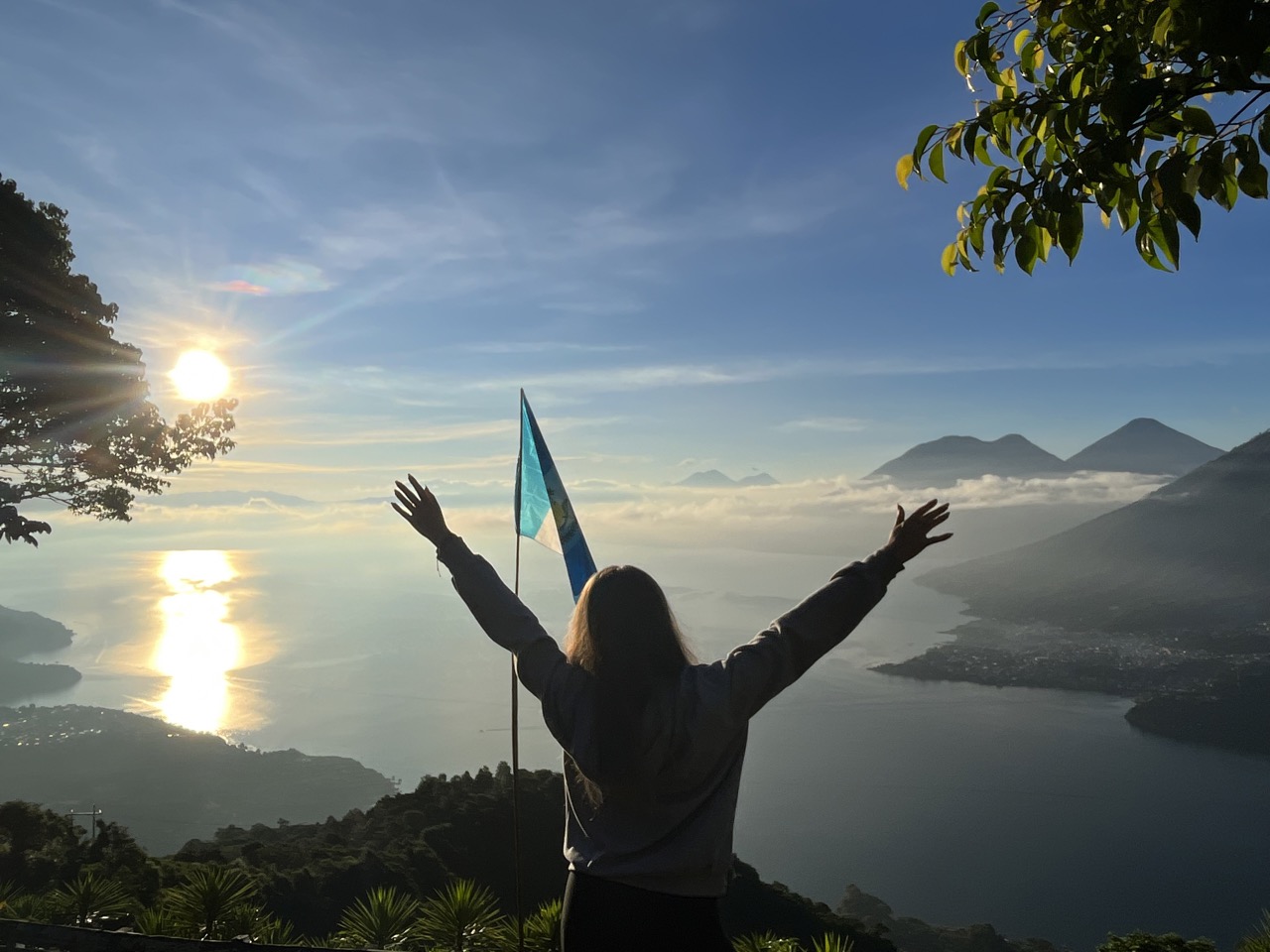
My first solo trip to Lisbon was short and sweet, but since then most of my adventures have been longer, allowing me to further immerse myself in the places I’ve visited. From attending Independence Day in Guatemala with a local family while volunteering there for a month, to completing 200 hours of yoga teacher training in the yoga capital of the world, Rishikesh, India.
Travel is a form of education, and solo slow travel doesn’t only teach you more about yourself, but also about various lifestyles, beliefs, and cultures. Many doors have opened for me in terms of my career, too. What started as randomly exchanging my content creation skills to get a free stay on an island in Panama, when I was low on money, unexpectedly led to other job opportunities.

Despite the positives, there are challenges too, from finances to safety. So, here are my top five tips for those wanting to try ‘Slowlo’ travel this year:
- Save some cash by doing work exchanges (Worldpackers, Workaway) or house-sitting (TrustedHousesitters).
- Choose your destination wisely: make sure it’s aligned with your interests, budget, and the experience you want, whether that’s slow travel or not
- Stay connected and safe: Share your travel plans with friends or family, research safety tips, and trust your intuition. If a place, person or situation doesn’t feel right, trust your gut, and move on.
- Find communities or join online groups like NomadHer - share your experiences with others and meet new people doing the same thing as you
- Dress to blend in: Try and follow what local people are wearing. If they are dressed modestly, you probably should be too, as it’s more respectful (for women - pack a light scarf).
What may have been historically viewed as something isolating and that only the brave dared to do, is today becoming more of an empowering type of exploration, leading to self-discovery and cultural immersion. With slow solo travel, or ‘Slowlo’, you return home with fresh insights, a deeper sense of self awareness, and a greater respect for individuals and communities you have encountered along the way.
- By Hannah Pentin -
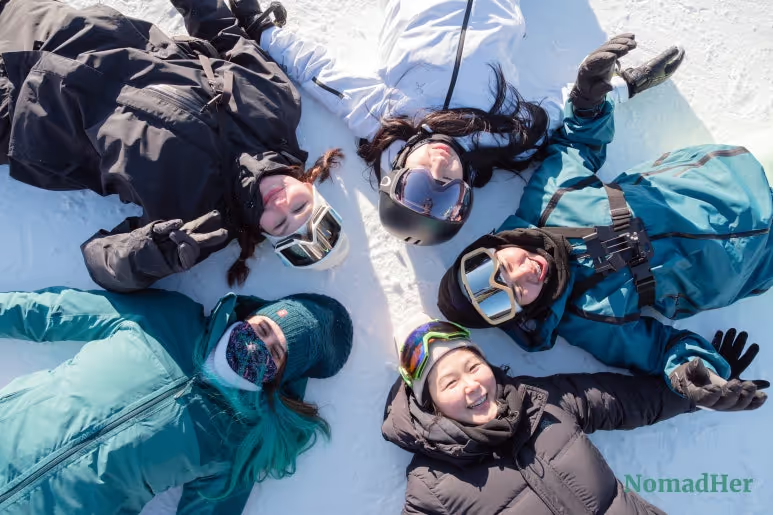
NomadHer Partner Spotlight Series : Myoungsoo Kim, Female Outdoor Camps
Myoungsoo Kim, founder of TravelMasters, on building Korea's first all-round outdoor adventure agency for women and hosting NomadHer camps.
At NomadHer, we believe in empowering women through meaningful travel experiences. This series highlights our incredible partners who are dedicated to creating transformative journeys. Today, we are excited to introduce Myoungsoo Kim, the founder of TravelMasters and a host for NomadHer’s outdoor travel camps, including the upcoming ski camp. Let’s dive into her story and learn about her passion for outdoor adventure and how she’s inspiring women to embrace nature.

For those who are unfamiliar, can you tell us about your background and what makes TravelMasters unique?
🗣️Myoungsoo Kim : TravelMasters is Korea’s first all-around outdoor adventure travel agency for women. We specialize in activities like trekking, climbing, surfing, and kayaking, which sets us apart from other travel agencies. My journey started in IT, but I found myself drawn to outdoor adventures as a way to break free from the monotony of my office life. Over time, I realized that outdoor travel could not only provide personal freedom but also foster a deeper connection to nature, which led me to create TravelMasters.

I. From IT to Outdoor Adventures
What led you to start TravelMasters and focus on outdoor travel for women?

🗣️ Myoungsoo : I was working as an engineer in the IT industry, but I began to feel disconnected from my passions. I turned to outdoor activities like hiking and diving, which offered me the freedom I craved. What started as a personal interest soon became a mission to introduce outdoor adventures to others, particularly women. TravelMasters was born out of a desire to help women experience the power of nature and adventure while providing a safe and supportive environment.
II. The Spirit of Outdoor Travel
What makes outdoor travel so special, and why do you focus on it for women?
🗣 Myoungsoo : Outdoor travel is special because it connects you to nature in ways that other forms of travel simply can’t. It’s about discovering the world around you, pushing your limits, and finding a sense of growth and fulfillment.


For women, this connection is especially empowering. Many of our participants come to our camps unsure of their own abilities, but by the end, they’ve gained confidence, not only in their physical abilities but in themselves as individuals.
III. Connecting with Nature
What makes your travel camps unique, particularly for international participants?

🗣️ Myoungsoo : The beauty of our camps is that they offer something many participants haven’t experienced before. For international women, Korea’s culture and landscapes are new and exciting. I’ve had participants tell me that something as simple as offering a bottle of water or sharing a local tradition made them feel deeply connected to the experience.


Our camps go beyond outdoor activities; they introduce participants to Korea’s natural beauty while fostering a strong sense of community and connection between women from all over the world.

IV. Safety First
How do you ensure safety for participants during your outdoor camps?

🗣️ Myoungsoo : Safety is our top priority. Before participants head out on any outdoor adventure, we provide thorough training on the basics, including proper equipment and safety measures. We make sure that experienced guides lead every activity, so participants can enjoy the experience with peace of mind. Our goal is to make outdoor adventures accessible for women of all skill levels, ensuring that everyone feels comfortable and safe.


V. Empowering Women Through Adventure
How do your camps empower women, and what transformations have you seen?
🗣️ Myoungsoo : The most empowering part of our camps is seeing women grow through their experiences. Outdoor adventures have a way of challenging us physically and mentally, and many participants walk away from the camp with a new sense of confidence.


They realize their strength and resilience, not just in outdoor activities, but in their lives as well. Watching these transformations is incredibly rewarding. It’s why we do what we do.

VI. A Special Memory
Do you have a memorable moment from one of your camps?
🗣️ Myoungsoo : One moment that stands out is during a camping trip on Chuja Island. A participant came with a one-touch tent, thinking it would be enough for the trip. We were all surprised because it’s not ideal for backpacking, but she managed perfectly and had a great time.


It made me realize how often we limit ourselves with preconceived notions. The experience reinforced the idea that great travel is about the journey and the connections we make along the way.

VII. Looking to the Future
What can participants expect from the upcoming 2025 Ski Camp?
🗣️ Myoungsoo : Our ski camp will be focused on safety and ensuring that participants have an incredible experience while enjoying the slopes. But it’s also about connecting with nature and developing a deeper appreciation for the outdoors.


We’re excited to offer this new experience for women, and I truly believe it will be a transformative experience for everyone involved. We can’t wait to see the positive impact it will have on participants.


Myoungsoo’s journey with TravelMasters is a powerful reminder of the transformative power of nature and outdoor adventure.

Through her work with NomadHer, she’s not just creating travel experiences-she’s empowering women to grow, connect, and embrace the world in all its beauty. We’re proud to partner with her and look forward to the exciting new camps in 2025!


NomadHer Partner Spotlight Series : Jeju Myeoung Rang Haenyeo
A conversation with Eunju and Hyungjoon, the MyeoungRang Haenyeo couple who host NomadHer travelers on Jeju Island.
Jeju Island is a treasure trove of cultural heritage, but among its most inspiring legacies are the Haenyeo, the women divers who embody strength, resilience, and a deep connection to nature. As part of NomadHer’s mission to empower and inspire through meaningful travel, we are proud to feature our hosts, MyeoungRang Haenyeo Couple Eunju and Hyungjoon, in this series highlighting our incredible partners. Here is an intimate conversation with them, shedding light on their journey and the essence of the Haenyeo culture.


🙋♀️ For those unfamiliar, who are the Haenyeo, and what makes their work unique?
The Haenyeo are women divers of Jeju who harvest the ocean’s gifts—abalone, seaweed, and shellfish—without modern equipment. We’ve been doing this for centuries, living in harmony with the sea and respecting its cycles. What makes us unique is our commitment to sustainability and our ability to adapt, even as the world changes.

I. Passion for Jeju’s Heritage
🙋♀️ What inspired you to become Haenyeo and start the Jeju Haenyeo Camp?
🗣️ Myeoung Rang Haenyeo: For women, being a Haenyeo is one of the most authentically Jeju things you can do. We were drawn to Jeju because of its natural beauty and our love for diving. What started as a personal adventure turned into a calling. We realized the importance of preserving and sharing the Haenyeo heritage with others, especially visitors from around the world. It’s about more than just diving. it’s about preserving a way of life and inviting others to understand its significance.

II. From Seoul to the Shores of Jeju
🙋♀️Tell us about your journey to becoming Haenyeo and settling in Jeju.
🗣️ Myeoung Rang Haenyeo: Both of us were born and raised in Seoul, living the busy city life. But we always felt drawn to Jeju—its natural beauty, slower pace, and a sense of serenity that’s hard to find in the city. We started visiting frequently, indulging in our shared passion for diving. At first, it was just about exploring, but the more we immersed ourselves, the more we felt connected to the island.

We began with a month-long stay, which turned into a year, and eventually, we decided to make Jeju our home. While looking for a truly “Jeju” way to live and contribute, we discovered the Haenyeo School. It wasn’t easy—the competition was fierce, but Eunju’s determination led her to be accepted. That was the beginning of our journey into the Haenyeo life. It wasn’t just a new career; it was a transformative experience that deepened our love for Jeju and its traditions.
III. Safety in Every Dive
🙋♀️How does the Haeyneo camp ensure safety for participants?

🗣️ Myeoung Rang Haenyeo: Safety is our top priority. Every participant begins with land-based training where they learn the basics before heading to the sea. We provide proper gear and ensure that experienced Haenyeo guide the participants at every step.


The program is designed to be accessible for women of all skill levels, creating a safe space to embrace the ocean’s beauty without fear.

IV. Empowering Women Through the Sea
🙋♀️What makes this experience empowering for participants?

🗣️Myeoung Rang Haenyeo: There’s something transformative about diving into the ocean, holding your breath, and resurfacing with treasures from the sea. It’s not just about the physical act of harvesting. It’s about discovering a sense of resilience and strength within yourself.

Many participants tell us they feel empowered and more connected to themselves after the experience. For us, seeing their confidence grow through this connection to nature is deeply rewarding.


V. Building Bridges Through Culture
🙋♀️How does the camp act as a cultural bridge?
🗣️ Myeoung Rang Haenyeo: One of the defining features of the Sinheung-ri Village Haenyeo team, which we lead, is the presence of many younger Haenyeo. While the average age of Haenyeo in Jeju is 76, our team includes women in their 20s and 30s, with a significant number in their 40s as well. This mix of generations brings vibrancy and ensures that the culture can be shared effectively with a wide audience. Having a team capable of introducing the Haenyeo tradition to many people is our greatest strength.
VI. Memories That Resonate
🙋♀️What are some memorable moments from the camps?
🗣️ Myeoung Rang Haenyeo: Every moment is special, but one memory stands out. A participant shared her experience at the camp with her community back home. Soon after, her friends and even a local school reached out to join us. It’s these ripples of connection that make our work so rewarding. We’ve also had participants who start as strangers but leave as lifelong friends. The bonds formed here are truly heartwarming, and they remind us why we do what we do.

VII. Looking Ahead: A Vision for the Future
🙋♀️What are your future plans for the Jeju Haenyeo Camp?
🗣️ Myeoung Rang Haenyeo: We’re developing a three-stage advanced diving program to make the experience more accessible to participants at different levels. We’re also upgrading our cooking class to include visits to traditional markets for a more immersive experience.


Our long-term goal is to turn our entire village into a hub for Haenyeo-themed activities, and we’re planning a Haenyeo festival next year to involve the whole community.

This is about building a legacy that uplifts the entire village.
🙋♀️Why do you think the Haenyeo tradition is so important to share internationally?
🗣️ Myeoung Rang Haenyeo: The Haenyeo tradition carries a profound history and reflects the resilience of women in harmony with nature. Sharing this with the world is about preserving a cultural legacy and inspiring others with the values of courage, community, and sustainability.


We hope that by experiencing this, participants will carry these lessons back to their own lives, spreading the spirit of the Haenyeo wherever they go.

NomadHer is dedicated to ensuring that all participants of the Haenyeo Camp not only come to see Sinraeri Fishing Village as a place to deeply immerse themselves in the world of the haenyeo — experiencing the rich culture, history, and spirit of these legendary women divers — but also to actively support and uplift the local community. Through this experience, we aim to inspire and empower women, celebrating their strength and leadership while fostering a sustainable way of life that honors the vital role they play in shaping both the village and the world.