Written by women on the road
City guides, travel diaries, safety tips and news from our team. Ranked #1 on Google for solo female travel, and read 260,000+ times since 2025.




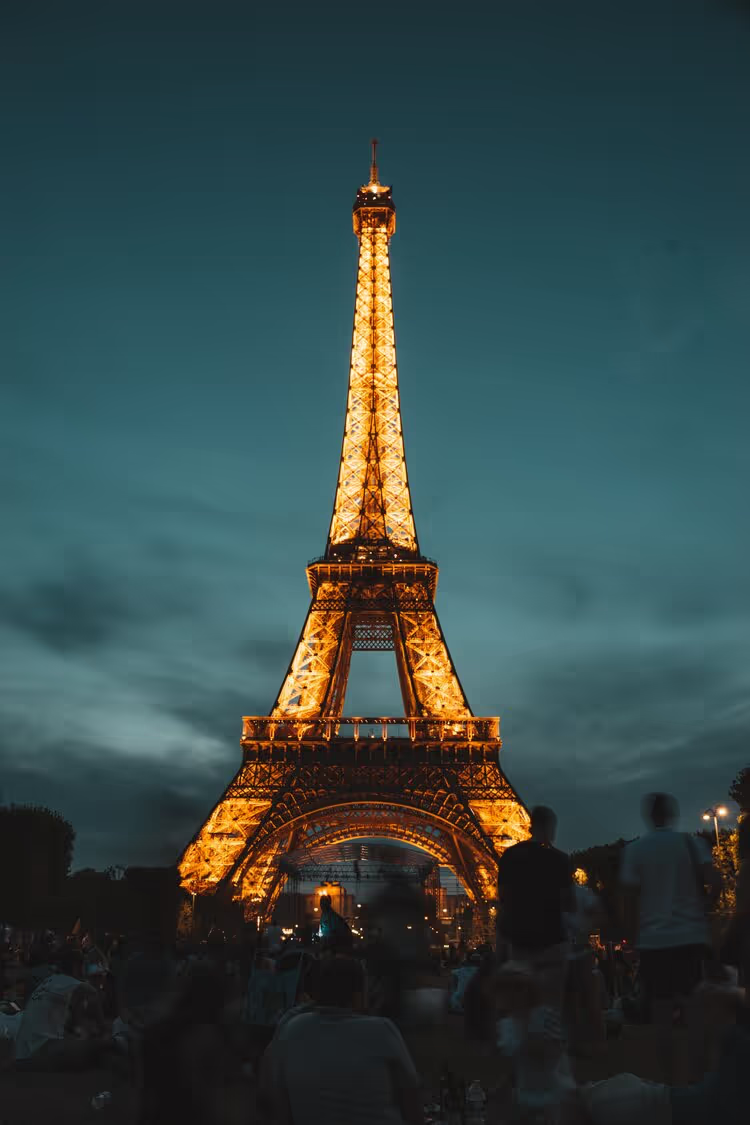
Is Paris safe for Solo Female Travellers?
Here are some things you need to know before planning your travel to Paris. This guide is for brave women who want to explore Paris on their own.
The guide to Paris for solo female travelers
Made by NomadHer with Love 💚
How much does NomadHer recommend Paris for solo female travelers? (😩 Bad, 😊 Fine, 😍 Amazing)
Our score is : 😊 Fine

Paris is the kind of city where you can find something different to do every day. This Guidebook is written by a Parisian from the suburbs. This means that whenever I am in the city center, I live my best life, relieved to not have to deal with transport complications. Paris is a metropole, but it still seems tiny: you can cross it on foot in about two hours, which is one of the reasons it is so enjoyable!
It is also a very recognizable city, with its pigeons, dirty streets, angry Parisians (we will come back to that one) and expensive cafes, but it also has a romantic atmosphere, beautiful architecture and culture, and typical cafés and brasseries!
How safe is it to roam the streets of Paris alone as a woman? To be honest, I first wanted to score it as Amazing, because I enjoy this city so much. However, even if I’m used to walking alone at night or taking the metro to go back home, there are too many times when I don’t feel safe enough to say it is an “Amazing” city for female solo travellers. That being said, it is not more dangerous than other capital cities and I still encourage you to go there!
Here are some things to bear in mind, both good and bad.
🙂 The good:
- You will see many people eating alone in cafés and restaurants, or even having a little picnic at the many parks around the city. It is all safe and okay.
- Public transport is everywhere and the transport network is well designed, so it’s easy to get around, and you will be able to reach anywhere you want pretty easily.
🙁 The bad:
- You will probably experience catcalling and sexist remarks at some point.
- Pick-pocketing is quite common:
- 👉 Take care of your belongings in public spaces
- 👉 Make sure to avoid some districts, especially at night
- ⛔️ Hazardous areas that you should avoid during nighttime. If you have any more opinions, feel free to contribute as well!
- Les Halles - Châtelet: lively commercial center but it can get wilder at night.
- Gare du Nord: one of the 4 major stations in Paris but try not to visit when dark.
- Stalingrad and Jaurès: beware of pickpockets!
- Porte de la Chapelle: popular neighborhood but you might feel insecure
- Barbès Rochechouart and the Goutte d’Or: walking those colorful streets at night might be too risky
Paris is worth its reputation, on different levels, but you can for sure have the best possible experience, even if you are by yourself. We are here to help!
Do’s

Rent a bike or a scooter.
It rains a lot in Paris, but the advantage is that we really learn to enjoy blue sky, so whenever you can take a bike or a scooter, do not hesitate! It may be faster than a car and even the Metro sometimes. You will find bicycles and scooters from different companies (like Lime) all over Paris, or you can try a Vélib bicycle if you are staying a long time. Vélib is the bike-sharing service par excellence in Paris, and they offer from daily to annual plans.
Go near the Seine on the quays.
It is the best. Bars, cafés and nightclubs are good, but also simply taking some snacks or drinks, a speaker with good music and sit down near the Seine is a wonderful experience: it's cheap and beautiful, and there's always a good atmosphere! My favorite spots are in front of Notre Dame, but from Gare de Lyon to Bastille there is always some place to enjoy!
Grab a coffee in random brasseries or cafés
Oh, this I love. Who doesn't know Parisian cafés? They are so typical. Just go anywhere you find cute and live like a local by ordering an expensive black coffee (without sugar for a more intense experience).
Use Paris as a base to explore France
This is a bit off-topic, but I guess you already know about the biggest museums in the world and the Eiffel tower. From Paris, you can basically go anywhere in France by train with the national railway company SNCF. It can be expensive if you go to the South, for example, but you can go to Normandy (Cabourg, Honfleur, Dieppe) and see the sea for 1 day!
Don’ts
Don't get lost in the city without a charged phone.
You will discover really fast that Parisians are always looking at Google Maps because even the locals don’t know their city that well. There are a few apps that will always help you get back home safely:
- Bonjour RATP! or City Mapper to check the transport system
- Uber / Free Now / My Mouv to order a taxi/car
- Lime for bikes and scooters
Don't (or try to avoid) take Ubers and cars.
Traffic is awful.
(but) Don't use public transport if you are going from a suburb to another suburb.
It might sound really specific, but trust me, I live in the western suburbs and I virtually always need to take a car if I don't go to Paris Intramuros (i.e. within the city itself). During the summer, the public transport options are greatly affected by railroad work: don't rely on it too much!
Don't be surprised by the French English accent.
Yes, some Parisians make no effort.
Don't be surprised by Parisians’ character.
And don't take it personally: in this city, everyone is overwhelmed by life, stressed out, or late for something. And if some are annoying, ask French people to teach you French slang ;)
NomadHer Recommendations
Eat
Must-Eat foods in Paris! These can be clichés but they exist to be proven, right?
🥐 Baguette, croissant, pain au chocolat and pâtisserie
Try to wake up around 7am in the early morning, and go to the nearest boulangerie of your accommodation. You can go and order the freshly baked, warm and crispy baguette, which will definitely blow your mind.
🍷 Wine
The more expensive the better? Not really! Go visit the nearest local supermarkets like Carrefour, Monoprix, Auchan and dive into the different types of wine ranging from red, rose, white and champagne! You will be surprised to know that starting from 3 euros you can get quite decent wine in France!
🧀 French Cheese
Local Markets are always the best place to try different types of cheese! For example, you can go to the local market in Bastille which is held every Sunday starting from 9am and find out over a hundred kinds of cheese! Blue cheese (Roquefort) is a must-try! It is always bringing lots of controversies.
🥯 Macarons
‘La Duree’ and ‘Pierre Hermes’ are the two most famous and loved Macaron brands by Parisiens! You might say that this small macaron costs like 3 euros? But when you try one bite you will understand the complex sabor of it!
🍲 Onion soup and Croque Monsieur (or Croque Madame)
If there are street foods in other countries, Onion soup and Croque Monsieur might be the finger snack food in Paris Brasserie! Enjoy these light meals for less than 10 euros.
Places to eat
- Savory pleasures
Brooklyn Pizzas
33 bd Beaumarchais, 75003 Paris, France
I love Italian food. And there is some very tasty Italian food here. The atmosphere is nice and it’s next to Bastille, which makes it even nicer. The menu is very funny, which just adds something to the 7€ Margherita !
La Felicitá
5 Rue Eugène Freyssinet, 75013 Paris, France
La Felicitá features several restaurants in one. Whether you like pizzas, salads, pastas, just coffee, or tasty cocktails: you will find what you are looking for here. It’s very crowded (for a reason) at both lunch and dinner time, so make sure you arrive early ;)
Rue Sainte-Anne
Between the Opéra Garnier and the Louvre, this street is very famous for being THE place of all good East-Asian food. For me, there’s one place that stands out:
- Naniwa-Ya 11 Rue Sainte-Anne, 75001 Paris, France
Tasty Japanese food: I always go there and get more or less the same thing, and I’m never disappointed or bored!
- For more sweetness in your life

Glaces Bachir… ice cream lovers?
58 Rue Rambuteau, 75003 Paris, France
If you like pistachios and orange blossom water, this is your place. Right in front of the Centre Pompidou, in the very center of Paris, enjoy some very instagramable Lebanese ice creams. A bit expensive, but totally worth it!
Glaces Berthillon
31 rue saint louis en l'ile, 75004 Paris, France
My mom used to tell me these were the best ice creams in Paris :) Still expensive, but the place is super nice.
Season
1 Rue Charles-François Dupuis, 75003 Paris, France
Fans of brunch and pancakes, I’m talking to you! They make fat tough pancakes. It’s delicious. That’s it. The location is also quite nice and the restaurant itself is quite comfy, located between République and the Marais.
Holybelly 5
5 Rue Lucien Sampaix, 75010 Paris, France
Another one for brunch lovers, quite different but a good pancake-maple syrup combination to start the day on a good note. The queue on the weekends is quite long, so I recommend going on working days if possible!
Cafés
La Cité Audacieuse
9 Rue de Vaugirard, 75006 Paris, France
Very near the Luxembourg Gardens (Latin Quarter, student district, best district), you have this peaceful place with the Café Mona, which is located in an old primary school. You can take your coffee or something to eat in the schoolyard. Plus, it is very cheap (especially for Paris). To make it even better, the place is dedicated to Feminism: there are feminist bookshelves so that you can read something while enjoying your drink. Everything is thought to be in line with the place’s values: for example, the beer comes from a female-directed brewery. I’m gonna stop there but you should definitely try it!
Café Tabac
1bis Rue Ravignan, 75018 Paris, France
This café is located in Montmartre, which is also a district you should visit for sure. It might be the most Frenchy/cliché Parisian experience you can have. Here are some pictures for you to form your own opinion haha!


Brasserie Dubillot
222 Rue Saint-Denis, 75002 Paris, France
I couldn’t make this list without a brasserie! This brasserie is very typical of Paris, and at the same time really fancy! Near Châtelet, you can take a café allongé in this beautiful place. A bit expensive, like real Parisian brasseries!
Museums and Art
You may already know the Louvre, the Orsay Museum and the Orangerie Museum, and please go and visit because they are totally worth it. In this section, I just want to add a more original touch to your tour!

59 rue Rivoli
On one of the biggest streets of Paris, a building is only dedicated to the arts. Some artists just stay a few weeks to present their work, exhibit it and sell it. I love the fact that you can interact with the artists, and the building in itself is beautiful.
Centre Pompidou
Place Georges-Pompidou, 75004 Paris, France
A basic, but you will surely be surprised by its different temporary exhibitions which rarely disappoint me! The permanent exhibition is also very interesting, and you can visit it more than once if you have a long stay here :)
La Gaité Lyrique
3bis Rue Papin, 75003 Paris, France
A place that I know from the Paris Podcast Festival, which takes place in October, this place welcomes different types of artists, performances, and experiences: check it out!
La Cité Fertile
14 Av. Edouard Vaillant, 93500 Pantin, France
Same spirit for this place that I know from the female-entrepreneurial festival EmpowHer. It’s a bit outside of Paris itself, but check their programs, there are a lot of good events and good tips!
Night Life 💃

La Mutinerie
176-178 Rue Saint-Martin, 75003 Paris, France
LGBTQIA+ bar! Safe and inclusive place (a bit expensive but we forgive them).
Le Nouvel Institut
1 Bd Saint-Germain, 75005 Paris, France
Happy Hour from 4pm to 2am.
Beer for 3€. What else do we need?
Rue de la Huchette, 75005 Paris, France
Street with lots of dancing bars, things to eat, and a festive atmosphere!
- Café de Paris V 14 Rue de la Huchette, 75005 Paris, France: the liter of beer is 9€ until 9pm, it’s a piano-bar, the mood is incredible.
- Georges Café 4 Rue de la Huchette, 75005 Paris, France: to dance all night long!
3615 Croisette
Boat party on the Seine anyone? It takes place every summer; the ticket is from €10 to 20, so make sure you book it in advance :) The drinks are a bit expensive, but the experience is amazing. The boat tour is 3 hours long, and then you can stay until 5am for the nightclub!
Jazz concert at Châtelet?
Another experience for the music fans (and the ones who want to discover something new! Listen to jazz for few hours while enjoying a glass of wine.
- Sunset Sunside
60 Rue des Lombards, 75001 Paris, France
- Duc des Lombards
42 Rue des Lombards, 75001 Paris, France
Shopping
- Louvre and Tuileries District: The center of Parisian design and fashion.
- Galeries Lafayette and Printemps in Boulevard Haussman: You can enjoy the typical Belle Epoque mood.
- The Marais: Vintage, artisan, handcrafted, and antique!
- The Champs-Elysées: Do I need to explain?
- Les Halles - Châtelet: Huge underground shopping center with a cinema.
- Flea markets: Those in Montreuil, St-Ouen, Porte de Vanves are the most popular.
✅ In France they usually have 2 big sale seasons called “Les Soldes”. One in winter and the other in Summer. Winter sale will begin shortly after Christmas. Summer sale begins just before the vacances season. You can have big opportunities finding fantastic deals on expensive clothes and other items.
Accommodation
In Paris, there are options for every taste; hotel, airbnb, couchsurfing and more. Even if you’re choosing a fancy hotel, make sure you check the area in which is located and how safe it is.
Paris has 20 arrondissements:
- 1st & 2nd arrondissements: Very historic. Full of must-see areas like the Louvre or Palais Royal. But accommodation can be highly expensive.
- 3rd & 4th arrondissements: Le Marais area has cool restaurants and bars. Different communities: Jewish, LGBTQ, Chinese, etc. Feel the vibe of diversity!
- 5th & 6th arrondissements: Lively neighborhood. The famous university La Sorbonne and Quartier Latin is located here.
- 7th & 8th arrondissements: The Eiffel Tower in the 7th, the Arc of Triomphe and the avenue of Champs-Elysees in the 8th! They are both highly touristic areas so beware of pickpockets.
- 9th & 10th arrondissements: the 9th district alone had 19 metro stations. If you ever find yourself in the 10th, Canal Saint-Martin is where to go, it is less touristy and offers a more intimate atmosphere than Quais de Seine. It is also also home to two big train stations: Gare de l’Est and Gare du Nord where you can take a train to London.
- 11th & 12th arrondissements: The district of the youth & hipsters! You will see so many endless bars and the young people talking to each other especially near the metro station Line 3 "Parmentier".
- 13th & 14th arrondissements: The district of Chinese and Vietnamese communities! Well, you might feel like you are literally in Asia if you ever get a chance to visit this district. Feel the vibe of Asian street food, bubble tea and more to come!
- 15th & 16th arrondissements: They are residential districts. If you fancy calm strolls in parks, you can go to Parc André-Citroën. Tour de Montparnasse is located here, which is the highest skyscraper in Paris. The 16th is one of the most prestigious districts in Paris, home to a number of museums but also embassies.
- 17th & 18th arrondissements: 18th arrondissement is a home to the Montmartre. This highland provides a wonderful panorama of Paris. But be very careful when it’s dark!
- 19th & 20th arrondissements: the 19th is home to Paris’s artificial park, Parc des Buttes Chaumont. It was designed to imitate mountain landscapes it has: rocks, lake, waterfalls and cave. The 20th is known for its cemetery Cimetière du Père-Lachaise, where many international celebrities rest: Raymonde Delaroche, Edith Piaf and Oscar Wilde.


‼️ Emergency Numbers
17 for Police
15 for an Ambulance
18 for Firemen
112 is the European emergency number. If you don’t know what to call, remember this one.
NB: everything is free so don’t hesitate!
Disclaimer
Our guide was made with care & love, but that doesn't mean that we always get everything right. Please know that the information above can be outdated and measures in countries may change overnight because of Covid-19. Don't hesitate to correct us with better recommendations or latest knowledge!
Why every woman should travel solo at least once in her life
More women are choosing solo backpacking to explore the world. The reasons and benefits are abundant. Here's why women should travel alone at least once in their life.
A personal essay.
They asked me to justify why every woman should travel solo once in her life. This is what came out.

I have put off writing this article for months because I didn’t know where to start.
I didn’t know where to start because there is an implication in that prompt that doesn’t sound quite right and, for some time, I couldn’t put my finger on it. All I knew is that I was uncomfortable.
Why should every woman travel solo once in her life? I let it sit there in my mind, letting the subconscious do its job. Procrastinating can be a very powerful thing. A few weeks went by until one day, I was finally able to say it out loud: She shouldn’t. Or, rather, she doesn’t have to.

Have I disappointed you? Bear with me, please.
In the process of reflecting on my own beliefs, I looked up the words on the internet to see if I could get a different point of view. Maybe there was something crucial I was missing. What I found, it turns out, was a long list of articles with the same topic listing the benefits of travel rather than backing up the premise they chose as a title. “Why should women travel solo” and “the benefits of travel” are two very different topics of conversation.
Don’t get me wrong. After years of traveling on my own, I could talk for days about the benefits of traveling solo. I could go on and on about confidence, connection, empowerment (the trendiest of words), intuition, courage, personal growth… I have experienced all of those, and more, while traveling alone. And I can say with a certainty I don’t often feel that traveling has been a life-changing experience for me and everyone I have met on the road.
However, the fact that something has benefits doesn’t mean that everyone should do it, right? I’m sure running 10 km a day has many benefits, but we don’t go around telling people they should go and complete a marathon a day. Why should this case be different?
✨ It’s not the traveling part that stings me, it’s the should I have problems with ✨

Why should women travel solo once in their life? What if they don’t want to? Aren’t our lives plagued with enough shoulds already? We should study. We should love our family. We should exercise. We should eat healthily. We should act in ways that are acceptable to society. We should always strive for more (don’t even dare to settle). We should, we should, we should.

The last thing I want to do is adding another should to our lives.
Maybe some people thoroughly and genuinely prefer traveling in groups, for instance. And what if someone doesn’t like traveling? What, you don’t think that’s possible? I have friends who hate traveling. They find it stressful and suffer every minute of it. Others are simply indifferent to it. Now, you might be tempted to say, for example, that they are afraid of the unknown and that traveling would help them beat that fear. Touché. But they are not. They don’t fear it. They are simply not interested. Period.
Do I relate? Well, not really. I have been wanting to explore the world ever since I can remember. I used to read stories of adventures in faraway lands and dream of the time when I would go away and have my own. I also see travel in every little movement I make. Damn, even a trip to the supermarket can feel like an adventure if you put your mind to it. Maybe travel is just a mindset.
And traveling is not the only path to challenging yourself, boosting your confidence, or feeling empowered. In the end, we all have to find our own ways, our own answers.
I don’t relate to what my friends feel, but I wholeheartedly accept it.

Embracing our differences is love. This is an exercise in empathy: not sharing someone’s beliefs but still understanding that other people have the right to think differently than us. And that’s what makes the world interesting, isn’t it? Being open and exposed to other people’s opinions and points of view can broaden our minds just as much as traveling. And we don’t need to get on a plane to the other side of the world for that.
So, no. I don’t think every woman should travel solo once in her life, the same way I don’t think every woman should get married, or have children, or love men. What’s true for me doesn’t necessarily have to be true for others.

Let’s rephrase it, then: Every woman could travel solo, if they wanted to.
If you’re reading this, chances are that you DO want to travel, that your feet are itching to get going and explore the world. And that’s great. That’s amazing. Go do it. You have all the power and resources within you that you need to make it happen. And, whatever your experience, you will come back stronger and wiser for sure.
But let’s not put pressure on others to do the same.
Rosana 🌼
👉 P.S. I am aware of the tremendous amount of privilege that these words carry. My journey has not been without its challenges (I’m from a poor family in a third-world country), but they are nothing compared to the challenges other women face. To them, to you, I salute you. And I’m here for you.
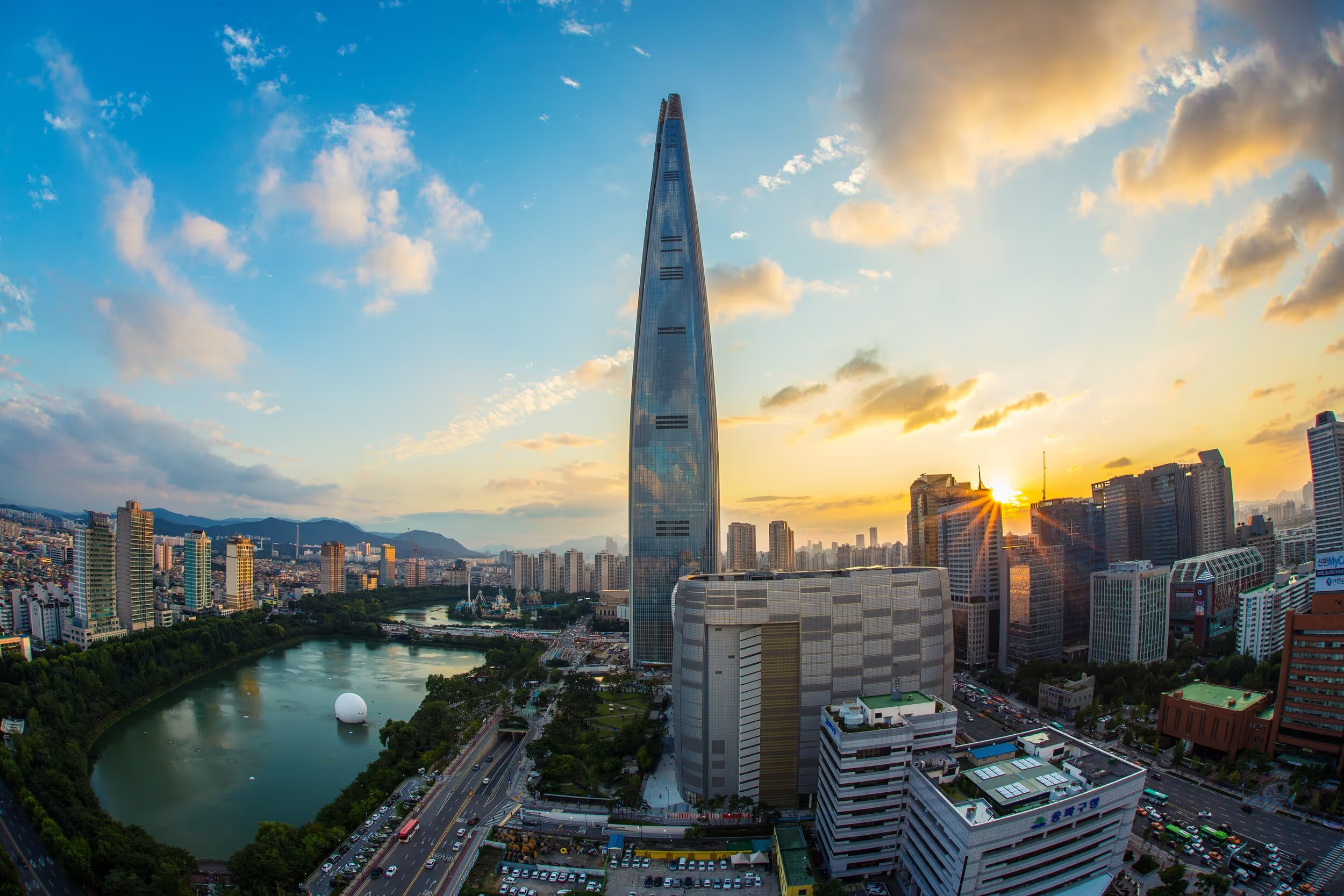
Is Seoul Safe for Solo Female Travelers?
A vibrant mix of traditional and modern, the fast-paced capital of South Korea has been growing stronger and stronger as one of the biggest tourist destinations in the Far East...
The guide to Seoul for solo female travelers
How much does NomadHer recommend Seoul for solo female travelers? (😩 Bad, 😊 Fine, 😍 Amazing).
Our score is: 😍 Amazing
Welcome to Seoul! 🌸
A vibrant mix of traditional and modern, the fast-paced capital of South Korea has been growing stronger and stronger as one of the biggest tourist destinations in the Far East. Bustling with life and endless entertainment opportunities, the city that never sleeps has managed to retain its historic charm amidst the blazing neon lights and karaoke bars. All to the sound of K-pop tunes.
Museums, art galleries, charming traditional districts, riverside parks, spas for every taste, cutting-edge technology, and a culinary culture to remember, you are sure to find something for you in Seoul.

Do’s and Dont’s
Do’s 👌
🍉 Enjoy a long sauna in a Jjimjilbang. A Jjimjilbang is a traditional Korean sauna. They are sex-segregated and very popular in South Korea. On top of hot saunas, Jjimjilbangs offer many other services, like cafeterias, entertainment rooms, TV lounges, and even sleeping areas with sleeping mats. Boiled eggs and Sikhye (sweet rice drink) are typical Jjimjilbang treats.
🍉 Enjoy endless street foods wherever you go! Some good places to find streetfood are:
- Ewha Womans University and Hongik University - The streets around these universities are full of food stalls!
- Myeongdong - One of Seoul’s major tourist districts with a huge street food scene that will leave you wanting more! It’s full of top-notch food stalls, cafes and restaurants.
- ShinChon - A lively neighbourhood, where many youngsters hang out, it’s full of delicious food that won’t drain your budget!
- Gwangjang Market - The oldest continually functioning market in all of South Korea is one of the ultimate places to experience traditional Korean street food and culture.
Some must-try street foods are Tteokbokki (Korean spicy rice), Bindaetteok (Potato Pancake), and Hotteok (Korean fried pancake). More on the food section below!
🍉 Rent a bicycle at Han River for 1 hour. The Han-River is the symbol of Seoul and it traverses the entire city. You can rent a bicycle for an hour and enjoy a relaxing ride along the river.
🍉 Enjoy Cup-Noodles (Cup-Ramen) at a convenience store. You can enjoy amazingly delicious cup noodles at convenience stores, which are open 24 hours a day. Cup noodles are instant Korean-style Ramen with different flavours with soup, and South Korean people love to eat them as a late-night snack.
🍉 Buy night snacks and beers, fruit-flavoured Soju at CU, Seven 7 or Emart Convenience stores and enjoy them while sitting outside of the shops. Instead of drinking at bars, Korean people love to buy beers and Korean traditional distilled rice drink Soju, and chill out. Drinking in front of the convenience stores is a really authentic Korean experience. And yes, drinking in public spaces is legal in Korea!
🍉 Go to a Norae-bang (Korean Karaoke) where you can let loose, sing and dance crazily, and even order food and drinks! Why not try dancing to the tunes of the famous Korean band BTS?
🍉 Visit a Korean PC-bang (PC Room), where you will see many people sitting and enjoying online games, or dating in front of computer screens. You can order many different kinds of food here. Try to order Ramen (Korean spicy noodles) or Jja-jang-myoen (Korean black noodles) and, when it is ready, they will bring it in front of your screen!
🍉 Visit and walk around a Korean traditional market, such as Gwang-jang market, and enjoy spending some time looking around different types of fish, and Korean rice cakes (Tteok).
🍉 Prepare for extreme weather. Korea’s weather is quite extreme. In Seoul, it can get up to 40 degrees Celsius in the summer and down to -18 degrees Celsius in the winter. Get your clothes ready: Korea has a long raining season around July and August. If you’re planning to visit Seoul around then, bring a strong umbrella!
🍉 Enjoy a baseball match! Baseball is one of the most popular sports in Korea. What makes Korean baseball special is the cheering culture! The fans sing and dance all together while enjoying Chimaek (fried chicken with beer). It’s like a huge party! The baseball season starts around March and it ends in the autumn. There are 2 baseball stadiums in Seoul and the tickets are very affordable.

Dont’s 👎
⛔ Don’t sit on the seats for the elderly on the subway. In the Korean subway, there are seats specially reserved for the elderly, the handicapped, and pregnant women. It’s better to leave those seats empty for those in need.
⛔ Don’t gulp or talk loud on the subway or public transportation. It can be seen as very impolite to talk in a loud voice or gulp in the subway.
⛔ Don’t say ‘안녕’ to say “Hi”. There are 2 ways to say “Hi” in Korean: “안녕(Annyeong)” and “안녕하세요(Anneyonghaseyo)”. The former (Annyeong) is a very friendly and casual version, whereas the latter (Anneyonghaseyo) is more polite. You should say Anneyonghaseyo to strangers.
⛔ Don’t hesitate to ask for “less spicy” in restaurants. Korean foods are quite spicy in general. If you’re not used to spicy food, just tell them to make it less spicy when you order in restaurants.
⛔ Don’t leave tips. There’s no tipping culture in Korea, so you shouldn’t leave tips at restaurants, for example.
Must-visit
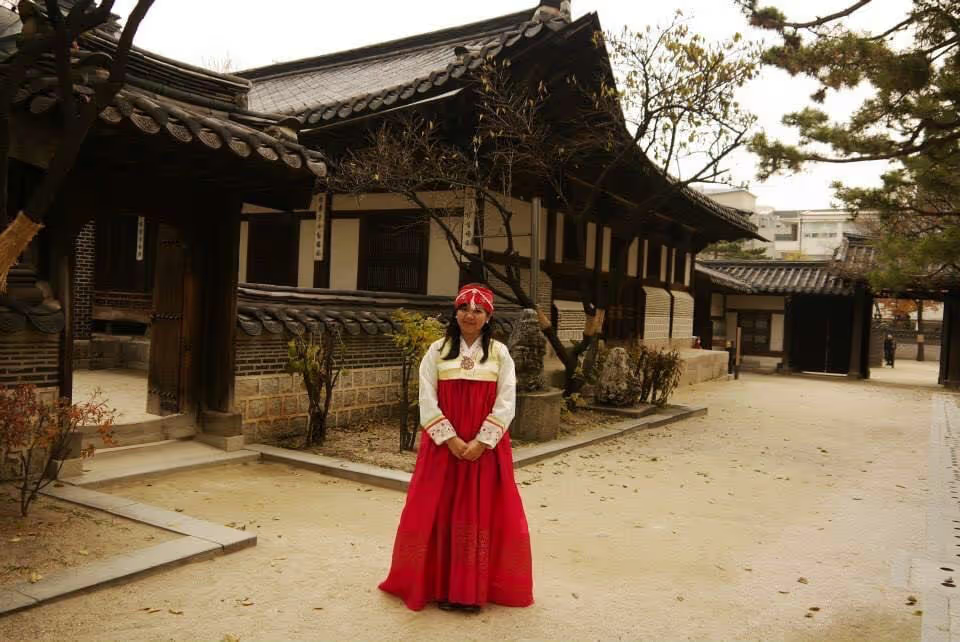
- Bukchon Hanok Village is a traditional Korean village with more than 600 years of history. A Hanok is a traditional Korean house. Once a neighbourhood for the nobility, it’s a great place for you to experience the Korean village environment and see the old wood and stone houses, many of which have now been turned into cafes and tea houses. Many famous K-Dramas were filmed in this village, including “Goblin”.
- Go to Cheonggye Stream, an 11 km-long stream that runs through downtown Seoul. It was created as part of an urban renewal project, and it offers a calm and pleasant place to stroll. Walk around and visit the Kyobo bookstore, the landmark of Seoul, where you will find an endless variety of books.
- DMZ (demilitarized zone). The demilitarized zone is a strip of land that acts as a border and buffer zone between North Korea and South Korea. There are many day tours to DMZ. At the DMZ, you’ll understand more about the Korean war, how Korea got separated into 2 countries and what the relationship between them is like nowadays. The tours usually include a visit to a cave that was dug by North Korean soldiers during the war and an observatory from where you can actually see North Korean territory.
- Hongdae. One of the youngest neighborhoods in Seoul. The streets are full of lively shops, cafes, restaurants, bars and clubs. The streets never sleep. You’ll be surprised to see them alive up to 3 am.


Must-eat
- Tteokbokki: Tteokbokki is every Korean girl’s soul food. It’s a rice cake, usually sweet and spicy, made with chili sauce. You can also find soy sauce-based tteokbokki, which is not spicy at all.
- Hotteok: You cannot talk about Korean dessert without Hotteok, a flour dough pancake. Hotteok are usually filled with brown sugar and sometimes nuts. This fried sweet dessert is a must for whoever wishes to enjoy true Korean street food.
- Bindaetteok: They are savory mung bean pancakes that are widely enjoyed by Koreans, as they are a very common street food. There are many varieties (with pork, vegetables, kimchi, etc.) and they usually come with a spicy sauce. The best is to eat them fresh when they’re crispy on the outside.


Accommodation
Seoul is consistently ranked among the safest cities in the world, and you will find that most places are safe to walk around during the night without any worries. Some districts, however, can provide more special experiences for female travellers. Here are some of our recommendations of areas to stay:
- Jongro-gu is the heart of Seoul. If you get your accommodation in Jongro-gu, you’ll have easy access to many sightseeing spots such as Gyeongbokgung Palace, Insadong, etc.
- You can try to stay in a Hanok. A Hanok is a traditional Korean house. There are some Hanoks that have been turned into hotels or hostels. They usually have no beds; they offer you a traditional mattress instead.
- Gang-nam, one of the most chic and fancy areas in Seoul with endless high buildings, is the most expensive part of Seoul. Many big corporations are based here, so you can see the real business life.
- Hong-dae& Hap-Jeong is the most popular youth district where you can stop by cute cafes, restaurants, and clubs. Many indie music artists and painters also stay around the district, so here you can feel the “hippie” part of Seoul.
Transportation
- Uber does not work in South Korea. You can use Kakao-Taxi, which is an app to book taxis. Kakao is one of the two biggest internet companies in South Korea and they provide many different digital services.
- Public Transportation systems, such as the subway and bus systems, are very well developed in Seoul and you can go anywhere with this. Kakao maps will usually show what is the easiest way to get to your destination. Kakao Maps will be more useful than Google Maps in South Korea.
- Express buses and trains are the most widely used intercity transportation. It’s better to make a reservation in advance if you’re planning to travel on the weekend.
- Renting a car in Seoul isn’t advisable. Seoul is a huge metropolis and the traffic is horrible. There are not enough public parking areas either. Unless they have huge baggage, the residents of Seoul also prefer using public transportation.
- There is a public bicycle service called 따릉이(Ddareungi). The rental fee is very affordable! (Less than 1 USD per hour.) You will need to install an app first. The app will show you available bikes around you.


Safety
According to The Economist’s Safe Cities Index Ranking 2019, Seoul is ranked as the 9th safest city in the world. Crime rates are very low and you will see police officers almost on every corner. Attitude towards women is respectful and most female travelers say to have felt safe walking around the city even late at night.
That said, Seoul is still a huge city, so take the safety precautions that you would normally take. Avoid dark alleyways and areas you don’t feel good about, and talk to the police if you find yourself in a tight spot. They will be ready to help and, even if they don’t speak your language, they have on-call interpreters for these situations.
As in any tourist city, look out for tourist scammers and jacked-up prices. These things can happen anywhere.
All in all, Seoul is a very safe city for solo female travellers! 😄
Testimonials
What would you like to say about Seoul? Would you recommend Seoul to your friends?
- Seoul is a vibrant city where you can enjoy a rich history, beautiful nature, and modern skyscrapers at the same time. Moreover, Seoul is a very safe city so I recommend it as your first solo travel destination! - Soo Ji OHN
- Seoul is a mix of tradition and modernity. You will find old traditional Korean houses in the middle of the skyscrapers. People are ready to help you out and smile! Enjoy Seoul! - Hyojeong KIM
How to Turn your Travel Passion into a Personal Brand
Creativ Jungle shared valuable tips on turning passion into a brand, standing out on social media. We've compiled it all to share with you. Get ready to be schooled!
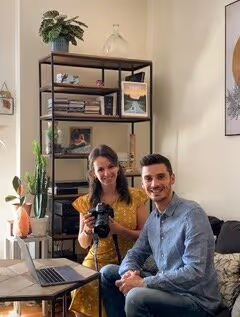
Our friends from Creativ Jungle joined us on a live workshop to teach us about how to get started with social media and content creation to turn your passion for travel into a brand. We decided to compile and sum up the workshop in written form, so you can access it anytime!

Disclaimer: all the content in this article was provided by Creativ Jungle and credit goes to them.
What is Creativ Jungle?
Creative Jungle is a marketing agency specialized in Tourism. They help Tourism brands develop their presence on the web and social media.

But who’s “they”?Ruben and Amélie are friends, travelers, and the founders of Creative Jungle.Amélie acts as project manager, campaign strategist, and content creation coach. Her favorite social media is Instagram. On top of traveling, she loves photography and nature.Ruben is also project manager, in charge of building relationships with brands and influencers, and he’s a LinkedIn coach. He likes adventure, exploration and is a foodie.
This workshop was divided into 3 parts:
👉🏽 Choose & Begin on Social Media
👉🏽 Tips for Content Creation
👉🏽 How to Improve Engagement
Let’s dive right in, shall we?
🌟 HOW TO CHOOSE AND BEGIN ON SOCIAL MEDIA
💡 Objectives: If you want to have an effective strategy, you need to know what your goals are. To reach them, have the following in mind:
- Develop brand image and awareness: The first step is being clear about who you are, what you do, and how you can solve your client’s problem/s.
- Generate sales/bookings: The second step is to get attention and build trust. Create a genuine relationship based on shared values.
- Build client loyalty: Focus on content and consistency, ask for feedback, and keep interacting with your audience.
💡 Identify your target: It’s essential that you know who you’re talking to, who your ideal client is.
These are some questions that you can ask to identify them:
- Who do I want to reach? A person (B2C) or a company (B2B)?
- How old are they?
- What are their hobbies, preferences, interests?
- What are their motivations/frustrations?
This will allow you to adapt your message to your audience, which, in turn, will help you determine which social media to use.

💡Which social media should you choose?
At the beginning, it’s better to focus on 1 or 2 channels. And, as said before, which channels you choose will be greatly influenced by who your clients are. For example, TikTok users are very young, while LinkedIn’s average user age is 44yo. They both work, but for different audiences.

Instagram: Users between 25-35 years old, great to strengthen brand image, perfect for Tourism.Facebook: Good to increase brand awareness.TikTok: Very young users, between 16-24 years old, high organic reach.Twitter: Age group between 35-65. Information centered, good to stay informed, high percentage of journalists are on Twitter.YouTube: Best format for content creation and to show your expertise.LinkedIn: Ideal for networking and creating a community, essential to acquire professional contacts.
🌟 TIPS FOR CONTENT CREATION
💡 Create in batches: Deconstruct content creation into several steps and work on one step at a time. This will allow you to focus and be much more efficient.
💡 Follow these four steps to create content:
- Plan: Establish an editorial calendar to stay organized and ensure long-term consistency. Plan weeks or even months in advance.
- Keep these factors in mind when doing the calendar:
- ✔️Content ✔️Objective ✔️Social Media ✔️Date of publication ✔️Results.
- Brainstorm: Write down all your ideas, don’t limit yourself! This is not the time to edit, but to create. Go wild! Think about upcoming key dates and events, answer FQA’s, talk about you, etc. But whatever you do, STAY AUTHENTIC 🙌🏽

The Golden CircleFocus on why you do what you do. What drives you? What are your values? Passions? Build a story around that. It delivers a powerful message, and it is the reason why people will connect with you and choose you.
A PERSONAL BRAND is made up of different ingredients:
🙋🏻 YOU +
✨ WHY +
🙌🏽 VALUES +
💃🏼 EXPERIENCES +
💗 PASSION
3. Create
Now that you have established your objectives, your target audience, and that you have a plan and ideas for the content you want to put out there, it’s time to create! 🎨
Take your ideas, turn them into pieces of content, and share that content in different formats (visuals, videos, quizzes, articles, stories, etc). Remember to condense the creation process into blocks of time to stay focused and efficient.
💡 Here are some useful TOOLS to help you create content:
- Canva: Very user-friendly free tool. Many templates that you can modify and use for all kinds of content.
- Mojo: Great for stories and animated posts. Templates are presented by topic and can be adapted to your needs.
- Inshot: For video and photo editing. Very intuitive and easy to use.
- Instagram: It is a social media but also a content creation tool in itself. Many possibilities, especially in stories!

💡 Use the AIDA formula for your messages
AIDA is a very well-known formula for writing attractive copy and it can be used in all types of written content. It stands for Attention - Interest - Desire - Action.
Attention: Catch the person’s eye and spark their curiosity with an attractive opening.
Interest: Expand the message, provide details, explain benefits to generate a positive emotion.
Desire: Make the audience want to know more about you/your service/product.
Action: Ask the person to perform an action (CTA): like, comment, share, subscribe, etc.
4. Schedule
Now your content is ready. Great! Most of the job is done! Don’t forget to add hashtags, emojis and everything you need to make it more appealing before posting. Ready? Good 💪
Now, you have two options:
- You can save the content as “drafts” and hit “publish” manually for each post when the time is right.
- You can use Facebook’s "Creator Studio” (accessible from your business page), a free tool that allows you to schedule your posts/stories for both Facebook AND Instagram. Just click on "schedule" instead of "publish now".
🌟 HOW TO BOOST ENGAGEMENT
We have come to the last section of this workshop!
Here are some tips to increase your engagement on social media:
✔️ Be regular ✔️ Use Calls To Action
✔️ Vary content and formats ✔️Reply to comments & messages
✔️Do Lives ✔️Include the opinion of your audience into your business
✔️ Interactive stories ✔️Try making videos (reels/tiktok)
💡 Sponsored Posts
While organic content is great to increase brand visibility and awareness, it’s getting increasingly hard to reach a big audience organically, with the algorithms getting more and more selective about which posts get displayed in someone’s feed. Imagine: every day there are 1500 posts published but only 300 places in your news feed.

Sponsored content can therefore be a good tool to generate a maximum number of interactions quickly. Dedicating part of your budget to sponsor certain posts will allow you to increase visibility and acquisition, and to reach a specific target audience.
We hope that these guidelines will give you a clearer idea of how to turn your travel passion into a brand that connects with your audience and expresses your true self! All credit goes to Creativ Jungle, who put together an amazing workshop for NomadHer users.
Visit Creativ Jungle’s media channels for more amazing tips:
2021 Female Globetrotter Festival Recap + 2 Surprises
Read the recap of how we planned the 2021 Female Globetrotter Festival and how it all worked out in the end. There’s two surprises at the end.
“It has been a rough year” might just be the understatement of the decade, but girl, it has been a rough year!
As you probably know, the NomadHer app was launched in the middle of the Covid-19 pandemic. That means that our community was growing online, but we couldn’t meet face to face. It was driving us CRAZY.
In July, we finally managed to do a small gathering with other girls from NomadHer in Paris. Oh, we were so happy. We met at the Hoxton Hotel for a drink. It was a beautiful evening shared with some really cool people, all with different stories and dreams, but bound together by our love of traveling and our desire to connect. The vibe was relaxed, joyful, supportive. It felt like exhaling after holding your breath for too long. Ahhh. Such a relief.
We wanted more.

In 2020, the Female Globetrotter Festival had to happen online (thanks Covid), but this year, with restrictions lessening and vaccination advancing, we wanted to create an offline event to engage a bigger part of the community, and meet face to face after so long. And so it began, the planning for the 2021 Female Globetrotter Festival… OFFLINE, hell yeah.
Our community had been growing in size but also in variety, and Covid left exposed the huge amount of privilege and inequality that still governs our world. It was clearer than ever that we needed to provide a space for everybody to shine and tell their stories. We decided that this year’s theme for the festival would be Diversity and Inclusion.
So how did we choose our lovely panelists? As we said before: our community is very diverse already. All we had to do was reach out! We started going through our NomadHer app and read profiles, see who would be around and could bring interesting stories. We also looked around Station F, the startup incubator where NomadHer is based. There are so many inspiring projects and women in there! That’s how we found Monia, from Jua&Co, for example, or Negar, from Colourful Zone.

Then it was promotion stage. We promoted the event on every platform we could think of… several times: our app, Slack, Facebook, Instagram, even the toilets at Station F suffered from our vandalism when we put stickers on the stall doors. Station F staff were not happy about it. But we got the message across. Mission accomplished.
The last week before the festival was very hectic but probably the most fun of all! We sank deep into planning mode and started coming up with colourful ideas and details. The team went to a stationary store and came back with stickers of all colours and sizes, pens, stamps, garlands, bubble blowers, candies… the whole shebang.
We put together the presentations, the schedule, the layout at the venue. There is so much more to plan than meets the eye for an event like this!


In the end, it all paid off and the festival went just as planned (except for the heavy rain, of course, we did NOT plan for that).
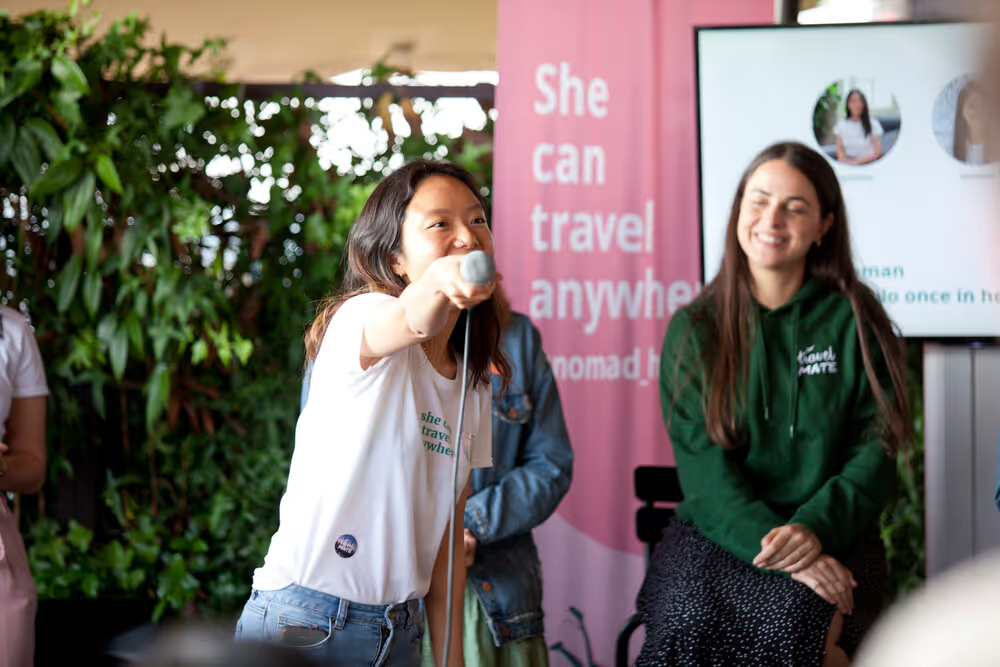
To recap, the festival consisted of:
- Art exhibition / Pop-up stores: Alejandra Torres; Jua&Co; The Label M
- Start-up booths: NomadHer; Hey Travel Mate
- Talkshow with entrepreneurs - DISCUSSION: Diversity in the workplace: Monia (Jua&Co), Negar Yaghoobi (Colorful Zone), April Wiser (Foto Femme United), Alejandra Torres (Alejandraw), Sarah (Hey Travel Mate).
- Talkshow with travelers - DISCUSSION: Why should every woman travel solo at least once in her life: Julianna, Jeanine, Eva.
- Drinks, music, and dancing until 10pm


Voilà! 🥳
If you were there, we hope you enjoyed it as much as we did. If you weren't there, we hope to see you next year!
Take care NomadHers, keep traveling and dreaming 🌸

P.S. 👋
Not so fast, the FGF 2021 Edition doesn’t end here!
We still have a few online events in store for you:
- Sexual Harassment Series: a set of live conversations with different organisations that fight for public safety for women. The events are posted on our App, and we will tell you more on our IG soon, so stay tuned ;)
- Airbnb contest: Would you like to get free accommodation with the NomadHer team in the French countryside? Yes, you read that right. During September, the NomadHer team will be based in a cute-as-hell Airbnb property in the Burgundy countryside, and we want to invite some of you to join us! We can teach you some tools to work remotely, and, of course, organize short weekend trips to nearby areas. Are you in? More info coming soon in all our media channels.

Got your sanitary pass? Discover the female painters!
Explore Peintres Femmes (1780-1830): Birth of a Struggle exhibition, showcasing works of female painters.
The walls of the Parisian metro are covered with posters of new exhibitions that have been patiently waiting for confinement to end. What to choose when there are so many options? Why not taking advantage of the places that highlight feminine and feminist art?
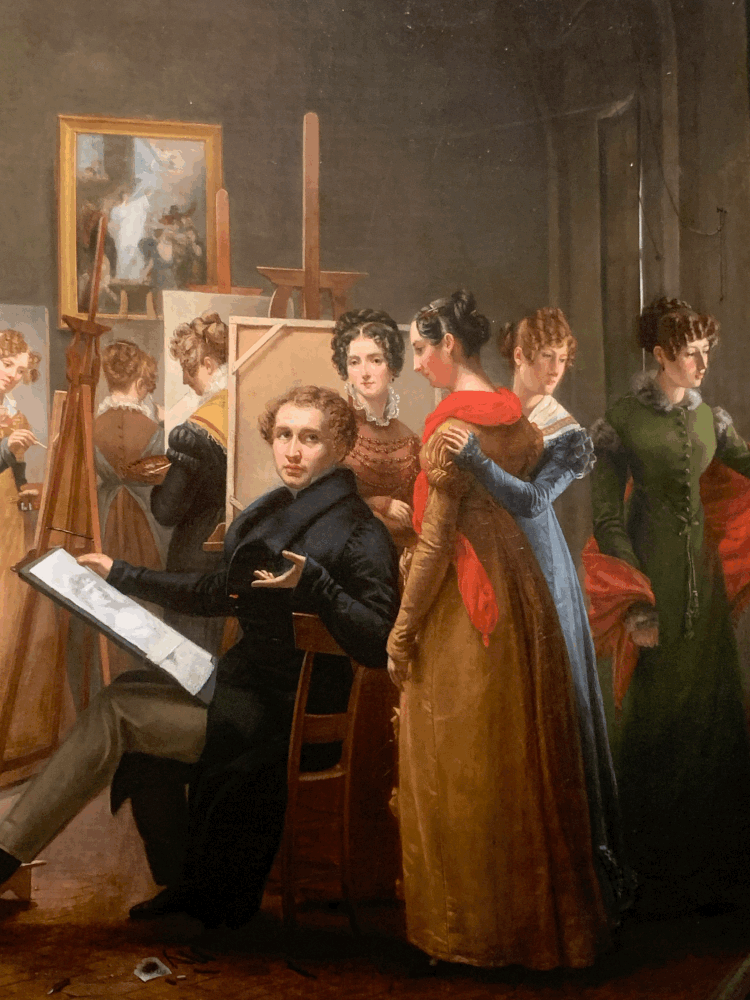
The whole NomadHer team went to the temporary exhibition (from May 19th to July 25th) at the Musée du Luxembourg (Paris), Peintres Femmes (1780-1830): Naissance d’un combat.
DISCOVER THE VIRTUAL EXHIBITION !
We were very excited to see tourist spots reopening, and an exhibition specifically about female artists was a perfect opportunity to play tourist again: what could be more in the spirit of NomadHer?
Historical and geographical context
Just pretending to be a History teacher…

Before getting into the subject of the exhibition, let me tell you where you are in Paris. The Jardin du Luxembourg, where the museum is located, is one of my favorite places in the capital (and for many Parisians as well). It's in the Quartier Latin, which gathers several famous schools like La Sorbonne, Henri IV, Louis Le Grand. It’s a very lively student district, which is at the same time full of history. It’s home to the Senate, the Pantheon and, just next door, the Notre-Dame Cathedral. Student district necessarily goes hand in hand with culture: the area is full of bookstores (Gibert Joseph, Shakespeare & Co...), and museums like the Luxembourg Museum or the Cluny Museum on the Middle Ages.
The exhibition presents a panel of works —exclusively female creations— covering the period from 1780 to 1830. That period was a turning point in French history, since it covers the Revolution —with all the political changes it implies—, an era that resulted from the philosophy of the Enlightenment, where the concepts of Human Rights were in full bloom.
What about women?
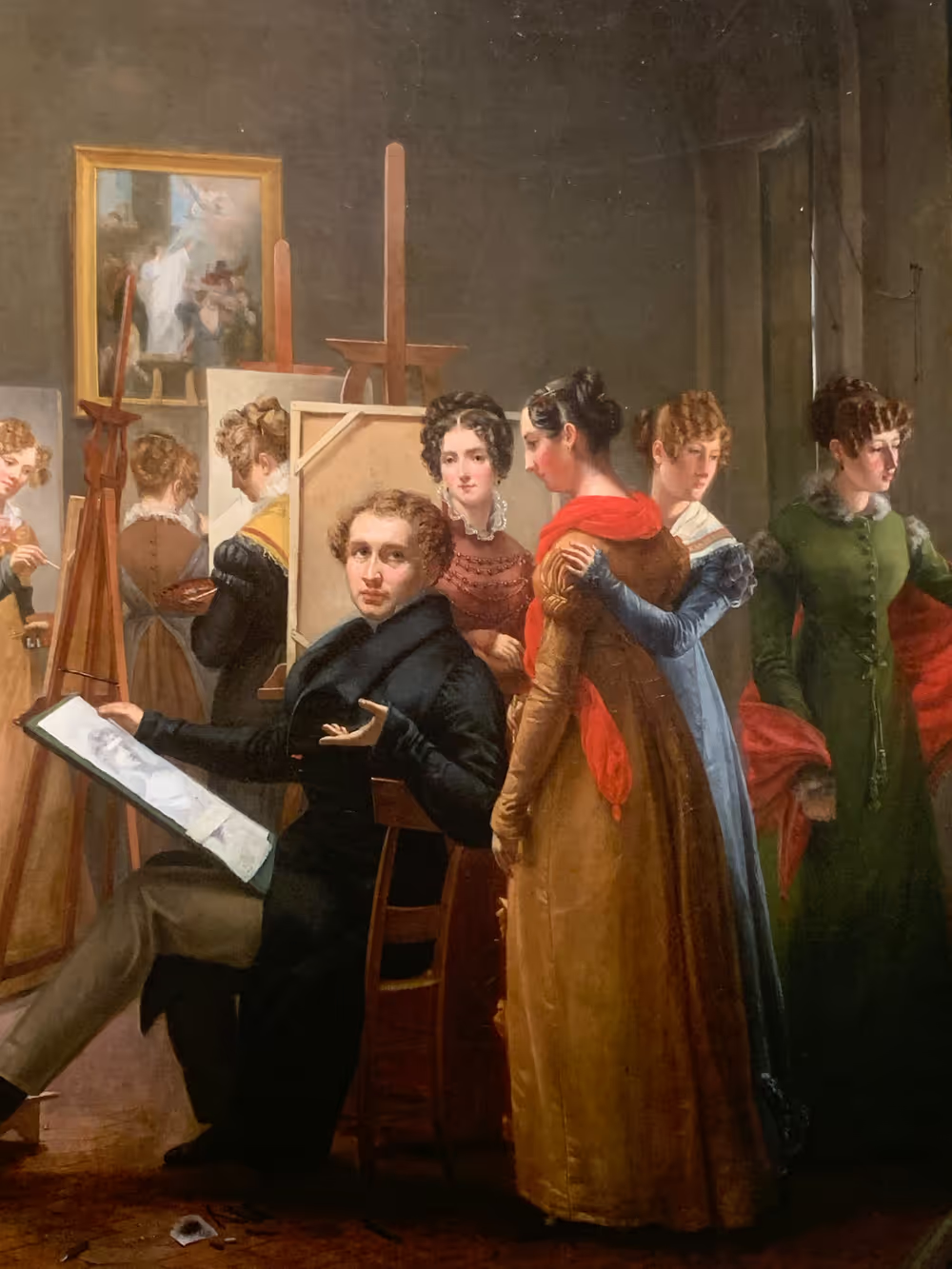
I mention political upheavals because art is influenced by its context, it doesn’t occur in a vacuum, and what is left after this social and political turmoil is the names of men.
Exclusively of men.
At the museum, we learnt that, even after the end of "the Old Regime, we had to wait for the second half of the 19th century to find women painters publicly recognized as remarkable."
We enter in full in the subject of the invisibilization of women in History. That is to say: if we looked at what is studied in school, we would be led to believe that there were no women painters until the contemporary period.
This exhibition shows a different story.
To be honest, this is not my favorite period in painting. From a very subjective point of view, it is not the portraits of noble families that interest me the most (and there were a lot of them), but I must admit that the simple fact of discovering many names of women, unknown until then, filled me with joy. In addition to Elisabeth Vigée-Le-Brun, who is one of the most famous ones, there are for example: Adélaïde Labille-Guiard, Rosalie Filleule de Besne, Marie-Geneviève Bouliard, Julie Duvidal de Montferrier, Aimée Brune-Pagès...
You don't know them? Well, one more reason to dig into the subject ;)
The female gaze
Just pretending to be an Arts teacher
Despite my limited knowledge of painting, I found it fascinating to study (on my own scale - I have no expertise to my credit haha), to what extent the gaze of the artist influences their work: in this case, the female gaze.
Laura Mulvey coined the term “male gaze” in an essay about film theory, and it was later taken up by French author Iris Brey in an essay released in 2020: Le Regard Féminin (it's brilliant, go and read it). So I don't know if it's applicable to painting, but I like to imagine that a woman painter who draws a female model brings another dimension to her art (like in Portrait of a Lady on Fire, if you know the reference).


The birth of a fight
This place that women have built for themselves in painting is admirable, because they were being held back at more or less all levels (this reminds me of the 21st century lol). 1780-1830 was a great period of reform at the institutional level, for example, with the advent of the Academies, which were full of men and deeply sexist.
Finally, art was beginning to organize itself and society was going through a total restructuring… without women!
It is not for nothing that the exhibition bears the subtitle "Birth of a struggle." We can rely on revolutionary texts such as Olympe de Gouge’s Declaration of the Rights of Women and the Citizen (1791), or Mary Wollestonecraft, from the other side of the English Channel, with A Vindication of the Rights of Woman (1792) to counterbalance this patriarchal reorganization of society.
All this is to say…
...that I liked this exhibition visually, but that it especially opened a new perspective on this revolutionary period. The visit is short, a bit expensive, and —an important point— not translated into English, which really is a shame!
The only thing left is the wonderful idea of making exhibitions of badass women!
I hope that my review of this cultural experience will inspire you to either check out the virtual exhibition (unfortunately, the physical one ended on July 25th), or to pay attention at feminine and feminist art in general. In any case, on our side, the next destination will surely be the exhibition Elles font l'abstraction at the Musée Pompidou (Paris), which remains open until August 23rd.
What is it Like to Travel to Seoul Alone? Read Angeline's Experience
Join Angeline on her transformative journeys in South Korea. She shares how solo travel has boosted her confidence and strength, broadening her perspective along the way.
“Traveling definitely broadened my vision and I always find that traveling alone is the best remedy for me to retrieve my confidence and strength.”

Travelling to big cities can be scary. They can be overwhelming, impersonal, and hard to navigate. And safety is an issue that always comes to mind. This can happen when visiting a big city in our own country, so imagine what it could be like to go to a foreign country: you don’t know the culture, you don’t speak the language, and you don’t know anybody there.
That’s why we are interviewing NomadHers who have taken solo trips... and come back empowered. Reading real experiences from real people can provide great insight into what travelling solo is really like, and reassure you that yes, you can do it too! So let’s dive right in.
Today we meet Angeline, the founder of the women empowerment platform SheASK, who, a few years ago, got on a solo trip to Seoul, in South Korea. She eventually ended up living there for a few years and went on many trips around the country.
We decided to ask her a few questions to learn about her experience, and we want to share the answers with you! Spoiler: it’s always about the people :)
Now pack your imaginary suitcase and let Angeline take you to Seoul with her!

- What if we started by telling us a bit about yourself?
Hi, I’m Angeline from Malaysia and I have been living in Singapore and South Korea for work. I am the founder of SheASK and I love to travel alone most of the time. When I travel alone, my best travel buddies are camera, books and dessert! - What made you decide to visit Seoul solo?
For vacation and to visit my Korean friends who I’d never met before. - If you could describe Seoul in one word, what would it be?
Magical - Could you elaborate, why was it magical?
The experience traveling and living in Korea was magical to me because almost all of the people that I met in Korea are very helpful and kind even a few of them couldn’t speak in English but they would still try their best to help me. I remember I cried on the plane when I leave Korea after my first solo trip to there because the experience traveling in Seoul was so warm to me although it was very cold in the weather.


- Do you think that travelling changes us? If so, what changed in you after your visit to Seoul?
Yes, traveling definitely broaden my vision and I always find that traveling alone is the best remedy for me to retrieve my confidence and strength.
- What is the best or worst memory you keep of this destination?
Best memory was meeting my friends and experience the scene of having fried chicken and beer just like in dramas. Worst memory was pushed and scolded by a drunk old man. - Do you think Seoul is better-experienced solo or accompanied?
Although I’m a solo traveler but I think travel to Seoul is good to have companion because most of the delicious and signature Korean food is pretty big portion and couldn’t be finished alone. It depends on the type of the journey. - Having been to Seoul, what do you say are the "Must take with you" items?
Medicine because it could be quite hard to explain in a foreign language when you are sick.

- Do you have any advice for our fellow NomadHers?
As foreigners do not understand Korean language and it could be difficult to get right medicine without going to hospital. It is best to bring your own medicine in case you get sick.
- As a solo female traveler, what do you expect to get out of your travels?
Happy memories, understanding of the culture and experience of the locals.
- What would you say to NomadHers who would like to visit this destination?
Try not to follow too much of bloggers’ and influencers’ advice on where to dine in. Sometimes it was just for commercial purpose and local small shops taste much better and much more authentic. I would recommend to ask your Korean friends for recommendations or Korean solo travelers in Nomadher app! :)


Is Lisbon safe for solo female travelers?
Lisbon: a city where stress melts away as you step foot. Music fills every corner, artists perform in every square, creating a vibrant atmosphere.
The guide to Lisbon for solo female travelers
Made by NomadHer with love💚
How much does NomadHer recommend Lisbon for solo female travelers?(😩 Bad, 😊 Fine, 😍 Amazing)
Our score is : 😍 Amazing

Lisbon, Portugal’s seven hills capital, where the sun is shining most of the year and the people are nice and always smiling (we’re thinking because it’s always sunny ☀️)
Lisbon is one of the oldest cities in Western Europe . It was founded 1,200 BC, but did you know that almost all of Lisbon was destroyed in 1755? An earthquake followed by a tsunami and firestorms destroyed 90% of the buildings.
This travel guide was created to help women navigate their stay in Lisbon.
Words to remember
Bom dia: Good morning
Boa Tarde: Good evening
Obrigada: Thank you
Fala Ingles?: do you speak english?
Pode ajudar por favor?: can you help me please
Emergency Numbers
112 is the national emergency number.
God forbid you’re in a situation in need of police, ambulance… call it! it’s free.
Transportation
Lisbon has a large public transportation network (bus, tram, metro, taxi.. ) you will have no trouble getting from one place to the other.
I had no trouble going to the most known places, or to the malls through the metro .
Do’s
Do expect nice people
Portuguese are some of nicest and welcoming people, we think it’s because it’s always sunny, so people are happier 😂
Do lose yourself in Lisbon’s streets
In our experience, Lisbon is better experienced on foot, you see so many things and explore at your own pace, so we encourage you to!
Do eat Pastel de Nata
Portugal’s must eat pastry, an egg custard tart dusted with cinnamon that will melt in your mouth. 🤤
We loved the ones from Manteigaria & Pastéis de Belém.
Do say Obrigada
”Thank you” in Portuguese depends on your gender. Obrigada for women, Obrigado for men, we hear a lot of women making this mistake and saying Obrigado instead of Obrigada!
Do ride the E28
Operating since 1873, there are six lines of Lisbon’s eléctricos, the most famous one is the E28, it passes by Lisbon’s most famed attraction sites. Enjoy your ride!
PS: A single ticket is 3€ but it’s best to purchase the 24h pass at 10€, giving you access to all transportation!
Do expect to hear Não sei a lot
Portuguese are some of the nicest people, but you’ll often hear “Não sei: I don’t know” when you’re asking about something. 😂
Do expect to feel safe
Lisbon may be the first city I’ve traveled to where I felt safe walking at night (not in unsafe neighborhoods of course, one must always keep her wits about her).
I felt a sense of serenity and calm I’ve never felt elsewhere.
Do wear comfortable shoes
Lisbon is very hilly, if you haven’t worked out in a while, you’ll get in an intense leg day ;) or week, depending on how much you’re going to stay.
Don’ts
Don’t be surprised to hear that English is widely spoken!
It’s true that you’ll have no problem communicating in English in big and touristic cities, we had no problem
And surprisingly, you won’t hear any accent!
Do pay attention to whom you’re talking to
In the city center, especially near the famous “Pink Street” , people were always coming to me and asking me something in Portuguese, I later found out that they were asking me to buy drugs.
Don’t get afraid on bus rides
It’s crazy how bus drivers drive in Portugal, with the narrow streets and hills and speed they go at, you feel like you’re on a roller coaster!
Don’t be afraid to enjoy the slow pace.
Lisbon is one of those cities where once you set your feet upon it, you feel all your stress melting away.
You hear music playing in every corner, artists singing and performing in every square.
Enjoy it!
Things to see
Praça do comércio
Formerly known as Ribera Palace, this was the royal residence of the ruling family.
It was destroyed during the great earthquake of Lisbon in 1755 and then rebuilt as Praça do comércio, (Commerce square) to commemorate a new era of trade in Lisbon.


Baixa chiado
Lose yourself in the streets in Baixa chiado, let yourself be enchanted by the vibrant and peaceful vibe.
Walk to the rhythm of artists singing and playing music and make a stop or two to enjoy a street performance.
To fellow bookworms, the gem of Baixa Chiado would be Bertrand, the oldest operating library in the world since 1732.
Belém
The tower sitting in the Tagus River was built in the 16th century, it served as a fortress protecting the city of Lisbon. It served at one point as a prison, all prisoners daunted being held there for fear of drowning when the tide’s too high as the cells were located below.
It is today a UNESCO World Heritage Site and open to visitors.

LX Factory
Sitting directly under the 25th April bridge is the hidden gem of Lisbon, LX factory is one of the coolest, vibrant, trendy and creative hubs in Portugal.
You will find art everywhere in galleries, buildings, workshops.
It is home to many restaurants, cafés and shops and libraries.
I tried Axe throwing for the first time in a restaurant there called USAxe club, it was fun, the vibe was chill, the staff would play with you if you came alone, and whenever you threw the axe in bullseye, customers would start cheering on you.


Boca do Inferno
Nestled in the municipality of Cascais, Boca do Inferno was originally a sea cave before it collapsed, leaving it looking like a sea arch.
You can watch the waves crashing continuously, they sometimes look like an erupting volcano, hence its name Boca do Inferno (Hell’s mouth).

Sintra
One hour away from Lisbon and nestled in the mountains is charming Sintra, a must do if you ever find yourself in Lisbon. Extravagant Villas and Moor palaces are the main attraction there.
I went to Pena Palace, a castle frozen in 1910, when the nobility fled Portugal, depicting how they lived back then.
My favorite was Quinta de Regaleira, which looks like something out of a fairytale with its lavish mansion and park. Lose yourself in the park, take the many hidden passageways and underground walkways.


Cabo da Roca
A quick 30 minutes stop between Sintra and Cascais, Cabo da Roca is a headland marking the most westerly point of mainland Europe. The rugged, untamed land was believed to be the edge of the world in the 14th century.

Mosteiro dos Jerónimos
Just a few steps away across Belém, the Jerónimos monastery is a UNESCO classified site recognized for its Manueline style (Portuguese late Gothic) known for depicting maritime and naval objects discovered in naval expeditions. We urge you to visit and take many pictures in its cloisters, they are amazing!

Where to eat
Lisbon has an abundance of restaurants and cafés where you can eat and drink.
So for whatever you are in the mood for, whether it be to contemplate a nice view, enjoy the atmosphere and vibe or gorge yourself on food, here are some places that I loved and wanted to share with you.
100 Montaditos- Cascais
Delicious tapa-sized sandwiches.
You can choose from a variety of sandwiches. We actually had a hard time finishing our plates, we thought they would be too small and would do nothing to us, so we ordered a lot, and we were actually surprised by the size, they were medium sized.
Usaxe club- LX Factory
Well, this was a delightful surprise.
We were walking around with my friend in LX Factory and wanted to eat.
Me, I was so hungry, I just wanted to sit somewhere and eat while she wanted to eat somewhere special.
So there we were, roaming around and bickering about food when we saw people throwing axes and heard bells ringing, and people clapping, so we just stopped and kept watching outside the restaurant like creeps. 😂 Basically the concept is you eat or drink and throw axes while doing it.
The staff were super nice, they would show you how to throw and come play with you.
Rio Maravilha- LX Factory
We went to the bar one night to enjoy LX Factory in the evening, the place is vintage decorated and there are a lot of weird decorations, I remember one crystal ball with a face inside and the eyes following you everywhere.
A statue of a Woman is on top of the roof bar. It’s placed to face the monument of Cristo Rei on the other side of the Tage river.
Quiosque Ribeira das Naus- Tagus River
A nice terrasse in front of the Tagus River, if you just want a moment of quiet, just by yourself, watching the sunset reflecting on water, this place is it for you.
Capricciosa- Alcantara
View and food go hand in hand here, their pizzas are yummy, and the spot is perfect, you have the Ponte 25 de Abril ( often compared to the Golden Gate bridge in San Francisco) on top of you, and the Tagus.
Casa de Alentejo
Are you in a mood to go back in time and dine in a a Moorish castle?
Casa de Alentejo is one of Lisbon’s many unique buildings, when you enter you feel like you traveled back in time and space to one of Morocco’s Riads.
Don’t miss out on visiting this magnificent jewel!
Ponto Final
For an amazing view on the Tagus and Ponte 25 de Abril and also yummy seafood.
Principe do Calhariz
Looking for eating typical Portuguese food? well, look no more, this restaurant was recommended by one of our NomadHers due to its delicious food. It’s so good that you have to sometimes queue, but the wait is worth it!
Disclaimer
Our guide was made with care & love, but that doesn't mean that we always get everything right. Please know that the information above can be outdated and measures in countries may change overnight because of Covid-19. Don't hesitate to correct us with better recommendations or latest knowledge!
Station F : Start up Nation and White Cliché
Newcomer to Station F, I share my feelings, discoveries and even clichés of the entrepreneurial world with NomadHer!
Aloha NomadHers !
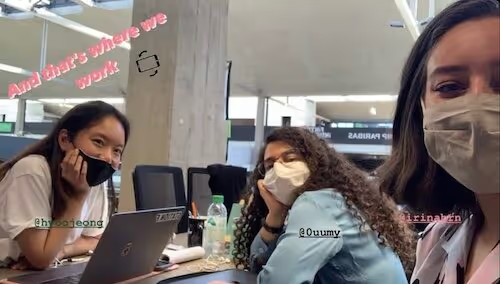
This is Irina, new member of the NomadHer team to write to you!
This week I joined NomadHer, currently based in Paris, in the Station F offices. I brought you with me during my first day on our Instagram @nomad_her, I'm back today with a little retrospection on this first week.
Station F, what is it?
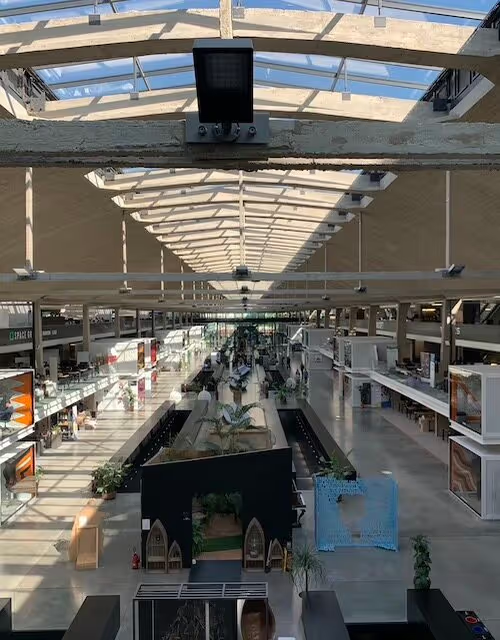
Station F is an incubator, that is to say a structure that helps new companies to develop, to make the dreams of entrepreneurs come true!
The building is an old train station, where 3500 people work - no need to tell you that it is really impressive! The atmosphere is also quite special: you can feel the hundreds of brains innovating… or maybe I'm extrapolating, but there's a je ne sais quoi, like Start-Up Nation vibes. Also, everything is well thought out in Station F, from the hologram at the entrance to the lunch breaks with eco-friendly vending machines; kind of futuristic !

Adaptation
Beyond the discovery of Station F, these first days at NomadHer have been a bit... how can I put it: overwhelming? I had to learn all the new tools - whereas I had personally gone as far as using Word - and I still prefer to write my to-do lists in a notebook (old school, I know). Being an intern in a start-up goes hand in hand with learning a lot about the entrepreneurial world, which is fascinating: marketing, networking, the "very concrete" side of business. Everything you don't learn in class (a bit sad)!
And English... phew! I’m French but we communicate in English in NomadHer team, Station F being also a rather international environment. Let me tell you: it's so different to work in a second language all day. I’m haunted by all the mistakes I make when speaking English continuously. Then, of course, it takes a lot of energy to switch from one language to another all day long. Sometimes I have trouble expressing my ideas, I don't put the s in the third person, I forget my irregular verbs: the nightmare of any English teacher.
Station F: that much international?
International, but not diverse. At first, I was very amused to see the "cliché" of the entrepreneur: young white man, in his twenties, still wearing a shirt but with sneakers. In a serious-casual mode (out of business school and ready to conquer the world!)
But beyond the cliché, there is the reality of a severe lack of diversity - and this marked me from day one. Few women, and even fewer colored women. It's a shame, especially in an entrepreneurial environment where I think you learn to come up with new ideas regardless of your education and background.
During my onboarding, it has been said that Station F had a rate of “45% of female-founded companies”. By researching a little you will find that this figure applies to 5 programs out of 30, being L’Oréal or ADNxIFM basically beauty and fashion fields. What about the 25 other?
According to Sista and Boston Consulting group, 4% of the start-ups created in 2020 were made by women.
That being said, I could write entire articles on the mechanisms of under-representation, so I won't go into details. It's just unfortunate to make this observation when NomadHer is such a cosmopolitan team, and considering how useful it is to open up to other cultures, and how important it is to avoid the "entre-soi", meaning a homogenous vision and opinion !
What's next?
One thing I'd like to take further is to try to meet new people, to see how these hot brains work. It's really inspiring to be confronted with all kinds of ideas, but again it's about getting out of your comfort zone and reaching out to others more and more.
Pushing myself and not judging me (so easy to write, less to do!)
Nobody has written about this yet
Try another city, or ask the community in the NomadHer Lounge. A woman who has been there will answer.